
Happy salary day and TGIF. 💸️️️
Let’s talk about money. Do you want to buy shares in Dangote Refinery? How does the public share sale actually work, and what do you need to know before buying?
In our latest episode of Headlines by TechCabal, hosts Eme Agbor, Muktar Oladunmade, and our senior reporter Temitayo Jaiyeola break down Dangote Refinery’s ₦2.1 trillion ($1.6 billion) share sale, how much retail investors like you can buy, how the shares will be allocated, and why the IPO has already sparked crazy demand across fintech platforms
They also discuss what the listing could mean for future Nigerian tech IPOs, Twiga Foods entering administration, MTN Nigeria crossing 100 million subscribers, emerging AI security threats, and what to expect from the upcoming Moonshot conference.
We’re still looking for stories from people whose journeys changed at Moonshot—met a co-founder, investor, partner, or future employer there? Tell us about it.

Read smart insights about Francophone Africa’s tech ecosystem—weekly.

GovTech
South Africa is proposing an always-on system that checks and taxes VAT automatically

South Africa’s tax authority wants to move value-added tax (VAT) from something businesses calculate and declare to something their software handles automatically. The South African Revenue Service (SARS) has published a consultation paper proposing a Digital VAT Model built around e-invoicing, data sharing, and automated reporting.
Explain like I’m new here: Businesses typically collect VAT, file returns, and wait for SARS to check them. Under the proposed model, invoices would be issued in a standard machine-readable format, passed between businesses through an interoperability network, and automatically reported to SARS. The tax authority would then match transaction data with other information to assess VAT more continuously.
What changes? A PDF invoice emailed to a customer will no longer qualify as a true e-invoice. Larger companies with enterprise resource planning (ERP) and accounting systems may need integrations, while smaller businesses still using paper, spreadsheets, or basic invoicing tools could need new software. SARS said the eventual goal is VAT auto-assessment, where compliance becomes part of normal business processes, to remove manual administrative tasks.
Why it matters: This gives SARS a much more granular view of business transactions. Instead of relying mainly on what taxpayers declare after the fact, the authority could identify mismatches, anomalies, and higher-risk activity closer to when transactions happen. For businesses, the trade-off is potentially less manual compliance, but depending on how this goes, the new model could increase integration costs.
What’s next? It’s still a proposal. SARS is taking feedback on implementation, costs, and readiness until October 16. The stakes are high for an agency that has been battling to improve compliance and close the gap between taxes owed and taxes collected.


Every business owner needs to watch this.
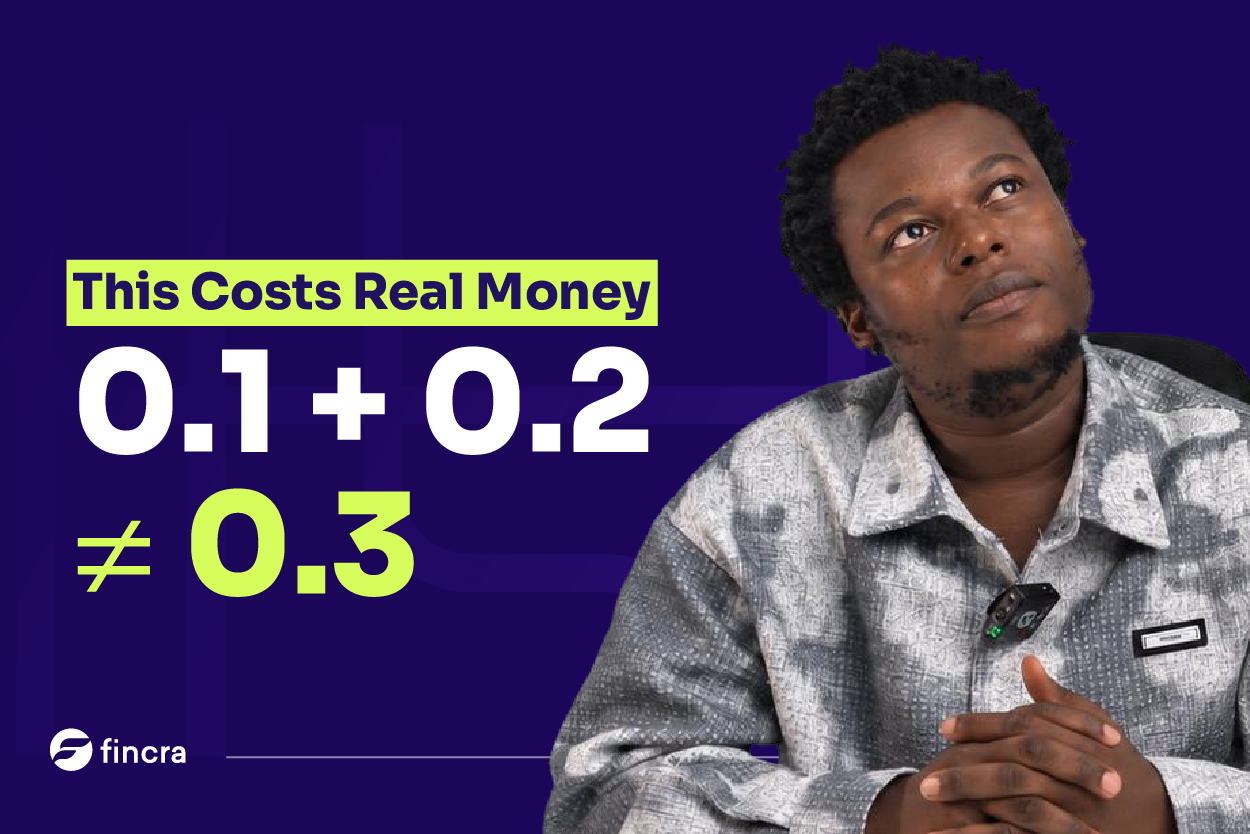
Ask a computer to add 0.1 and 0.2. It won’t give you 0.3. Now imagine that happening to your money, thousands of times a day. Fincra’s Engineering Lead breaks down why and how fintechs design around it. Watch the full breakdown.
Fintech
Egypt orders consumer lenders to share borrower data in real time

Perhaps the watchword for today’s newsletter is ‘real-time monitoring,’ because the regulators appear to be thinking alike.
Egypt’s financial regulator is moving consumer lending from a business it checks after the fact to one it can monitor almost in real time. The Financial Regulatory Authority (FRA) now requires consumer finance companies to build systems that connect their databases directly to the regulator, giving it a live view of who is borrowing, what they are buying, and how they are repaying.
Explain like I’m new here: Consumer finance has expanded in Egypt. Financing reached EGP96.3 billion ($1.86 billion) in 2025, up 57% from EGP61.3 billion ($1.18 billion) a year earlier, with 10.8 million beneficiaries. That growth has made better oversight more important. In October 2024, the FRA paused new traditional consumer finance licences after a surge in applications, saying it needed to assess the financial strength of existing players.
Now the regulator is building the infrastructure to watch the market more closely. Companies must send customer information after financing approval, transaction data on financed purchases, repayment behaviour, and indicators of customers’ financial health.
Between the lines: This is part of a broader push. On September 12, the FRA ordered consumer finance firms to report loan approvals, disbursements, repayments, and other changes to iScore, Egypt’s credit bureau, in real time. It also introduced behavioural credit scoring using alternative data, with mandatory use starting in April 2027.
For consumers, that could mean quicker and more data-driven credit decisions, but also less room to borrow without their existing obligations showing up. For lenders, it means more technology costs and much less room for weak data systems.
State of play: Egypt is moving towards a more deeply embedded credit ecosystem, which can help a growing economy by making financing easier to access. Real-time credit reporting could also make it harder for consumers to take on loans across multiple lenders without those lenders knowing about their existing debt. Egypt’s banking-sector non-performing loan (NPL) ratio was 1.9% in March 2026; it remained unchanged quarter-on-quarter. With lenders being able to see borrowers’ latest loans and repayments, the system could reduce defaults and make over-borrowing easier to catch before it becomes a problem.
What’s next? The FRA has six months to issue the detailed rules. But at least, the regulator has signalled that as Egypt’s consumer credit market grows, it wants to see borrowing almost as it happens.
Your stablecoins can now earn up to 7%

As stablecoin use grows across emerging markets, Raenest is expanding what users can do with USDC and USDT. In addition to sending and spending stablecoins globally, Raenest has launched Stablecoin Vault, which lets eligible users earn up to 7% variable APY. Learn more at www.raenest.com.
Economy
Egypt keeps interest rates unchanged at 19% as it watches inflation

Egypt’s central bank has left interest rates unchanged, keeping the overnight deposit rate at 19% and the lending rate at 20%. It is a fairly simple decision on paper, but it says a lot about where Egypt’s economy stands: inflation is easing slowly, but not fast enough for the Central Bank of Egypt (CBE) to start making money cheaper to borrow again.
Explain like I’m new here: The CBE had room to cut rates as inflation eased through 2025 and into early 2026. But that window has narrowed. Inflation accelerated to 14.9% in July from 14.3% in June, before easing slightly to 14.5% in August.
The problem is what comes next. The International Monetary Fund (IMF) expects Egypt’s inflation to rise further to 16.7% in the second half of 2026, partly because of higher energy prices, exchange rate pressures, and the delayed effect of earlier price increases. The agency said tight monetary policy remains necessary to keep the country’s inflation expectations under control.
Between the lines: Keeping rates at 19% means the CBE is choosing patience over another cut. Interest rates feed straight into the cost of borrowing and the return on savings. A 20% lending rate keeps loans, mortgages, and credit purchases expensive, while savers continue to earn relatively high returns on deposits.
That also keeps financing costs high for businesses and for the Egyptian government, which relies heavily on borrowing to fund its spending. A rate cut would ease some of that pressure, but the CBE needs more confidence that inflation is under control first.
What’s next? The CBE said it will keep watching inflation and the risks around it. For now, Egypt is still trying to bring prices down without reigniting the pressures that forced rates so high in the first place.
Don’t miss Moonshot 2026 for anything in the world!

True scale demands moving beyond surface-level integrations to robust execution. We’ve filtered the noise out of Moonshot 2026, optimising the conference strictly for high-calibre connections between startup founders, global financial operators, enterprise leaders and individuals rewiring Africa’s technical frameworks. Join us on October 28 & 29, 2026. Get your ticket.
Insights
Funding Tracker
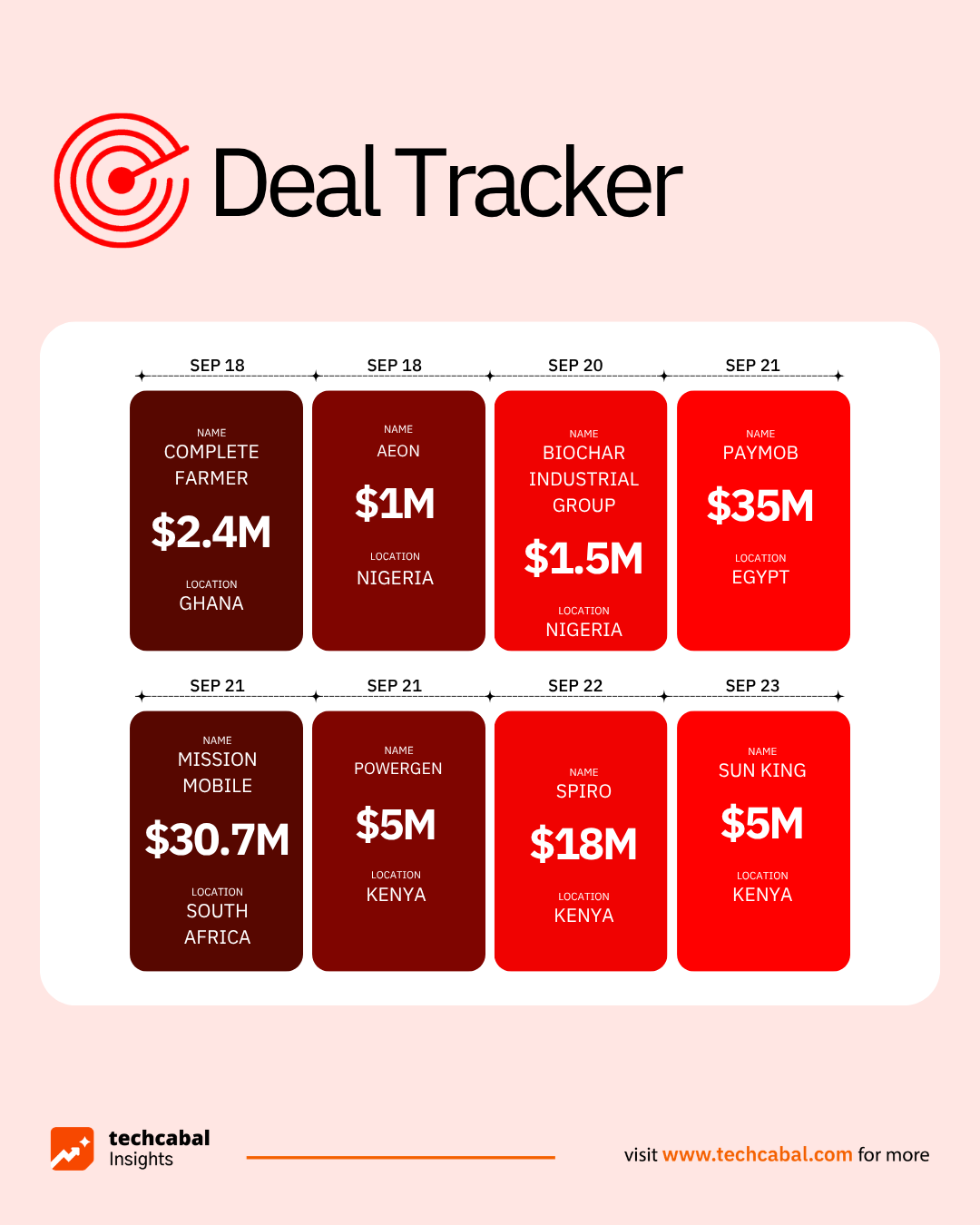
Paymob, an Egyptian fintech startup, raised $35 million in a pre-Series C funding round co-led by Mubadala Investment Company and the European Bank for Reconstruction and Development (EBRD), with participation from British International Investment (BII), Global Ventures and DPI Ventures. (Sep 21)
Here are the other deals for the week:
- Complete Farmer, a Ghanaian agritech startup, secured a $2.4 million convertible loan from the International Finance Corporation and Business Investment Financing Track. (Sep 18)
- Aeon, a Nigerian cybersecurity startup, raised $1 million in a pre-seed funding round led by Terra Industries, with participation from Resilience17, alongside other investors. (Sep 18)
- OKOA Energy, a Kenyan E-mobility startup, secured an undisclosed amount of seed funding from Catalyst Fund. (Sep 19)
- Biochar Industrial Group, a Nigerian Agritech startup, raised $1.5 million in a pre-seed funding round led by BREEGA, with participation from Catalyst Fund, while Mulago Foundation provided non-dilutive funding. (Sep 20)
- Mission Mobile, a South African fintech startup, raised $30.7 million in growth capital from DN Invest. (Sep 21)
- PowerGen, a Kenyan cleantech startup, secured a $5 million investment from All On, with participation from ElectriFI, Impact Fund Denmark, the Sustainable Energy Fund for Africa, and InfraCo. (Sep 21)
- Anees Health, an Egyptian healthtech startup, raised an undisclosed amount of seed funding from undisclosed investors. (Sep 21)
- Spiro, a Kenyan EV startup, secured $18 million in debt funding from Africa Go Green Fund (AGG). (Sep 22)
- EV.Tech, an Ivorian EV startup, secured an undisclosed amount of funding from Enko Capital. (Sep 22)
- Sun King, a Kenyan cleantech startup, secured a $5 million investment from Acumen. (Sep 23)
- Turaco, a Kenyan insurtech startup, secured an undisclosed amount of funding from 3IF Ventures. (Sep 23)
- HisWay Labs, a South African mobility startup, secured an undisclosed amount of funding from Octoco Group. (Sep 23)
That’s all for this week. Before you go, Nigeria’s cross-border payments landscape is changing fast as new payment rails emerge. Here’s what’s happening.
Follow us on Twitter, Instagram, and LinkedIn for more funding announcements.
CRYPTO TRACKER
The World Wide Web3
Source:

|
Coin Name |
Current Value |
Day |
Month |
|---|---|---|---|
 Bitcoin Bitcoin |
$84,203 |
+ 0.13% |
+ 6.16% |
| Ether |
$2,678 |
– 0.33% |
+ 8.73% |
| Ondo |
$0.5309 |
+ 23.59% |
+ 44.26% |
| Solana |
$116.25 |
+ 0.93% |
+ 23.21% |
* Data as of 06.35 AM WAT, September 25, 2026.
Events
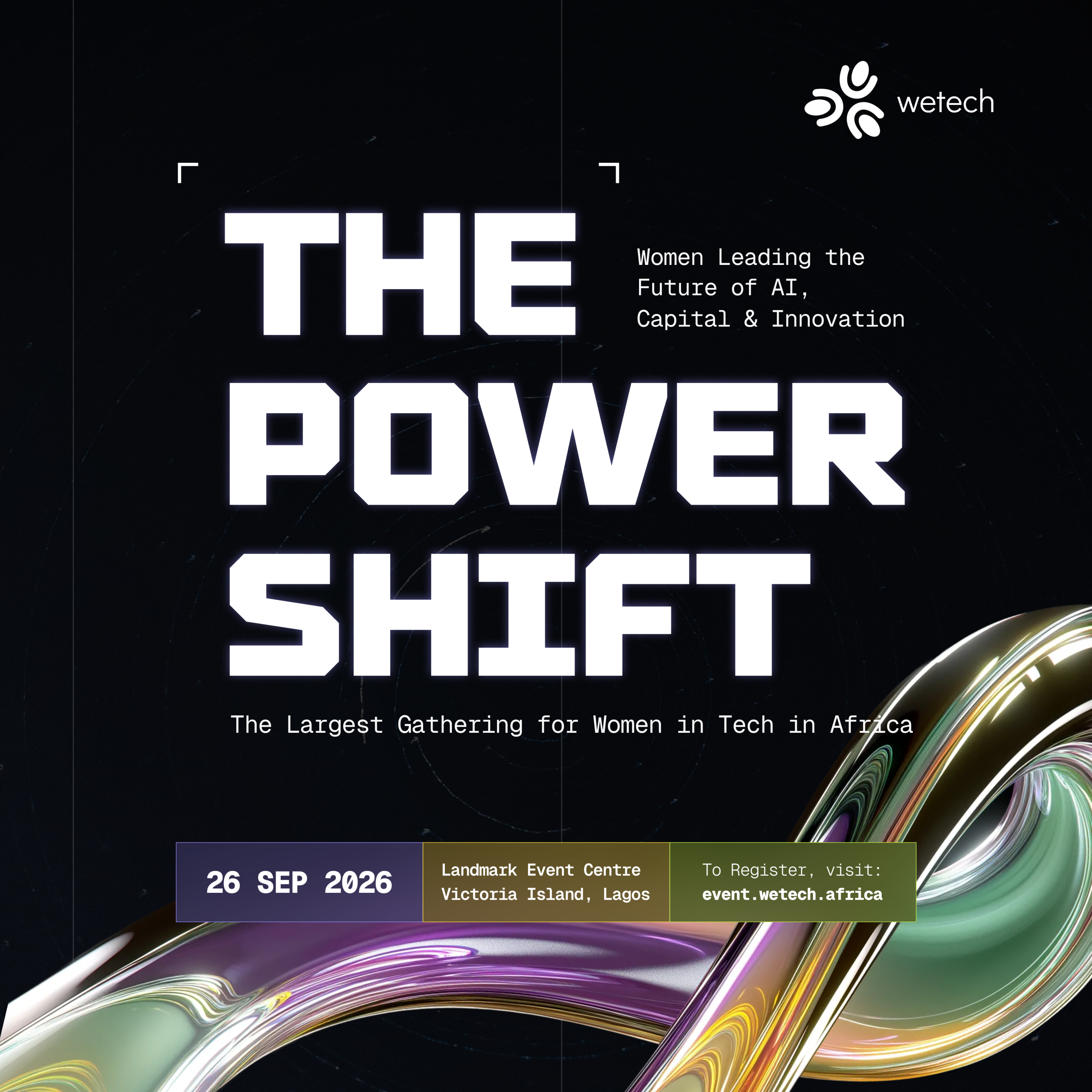
- The Wetech 2026 Conference will take place this Saturday, September 26, at Landmark Event Centre, Victoria Island, Lagos, convening more than 2,500 attendees and 30 speakers for a day of conversations around AI, careers, startup funding, policy, and the future of tech in Africa. The event will also feature live hiring, networking, a tech expo, and the PitchHer 2026 final, where women founders will compete for ₦8.5 million in prizes. Register to attend.
- The Box Africa is a platform created to surface deep-tech research emerging from Africa and connect it with the people and capital that can help turn research into real-world impact. Its inaugural edition brought together researchers, investors and tech leaders in Lagos to explore the potential of African AI. Three researchers also competed for the Air Peace Research Grant, with John-Pius Obayemi taking the top prize for his research on a Yoruba-language Voice Automation System. Learn more.


Written by: Emmanuel Nwosu and Success Sotonwa
Edited by: Ganiu Oloruntade
Want more of TechCabal?
Sign up for our insightful newsletters on the business and economy of tech in Africa.
- The Next Wave: futuristic analysis of the business of tech in Africa.
- Francophone Weekly by TechCabal: insider insights and analysis of Francophone’s tech ecosystem
P:S If you’re often missing TC Daily in your inbox, check your Promotions folder and move any edition of TC Daily from “Promotions” to your “Main” or “Primary” folder and TC Daily will always come to you.