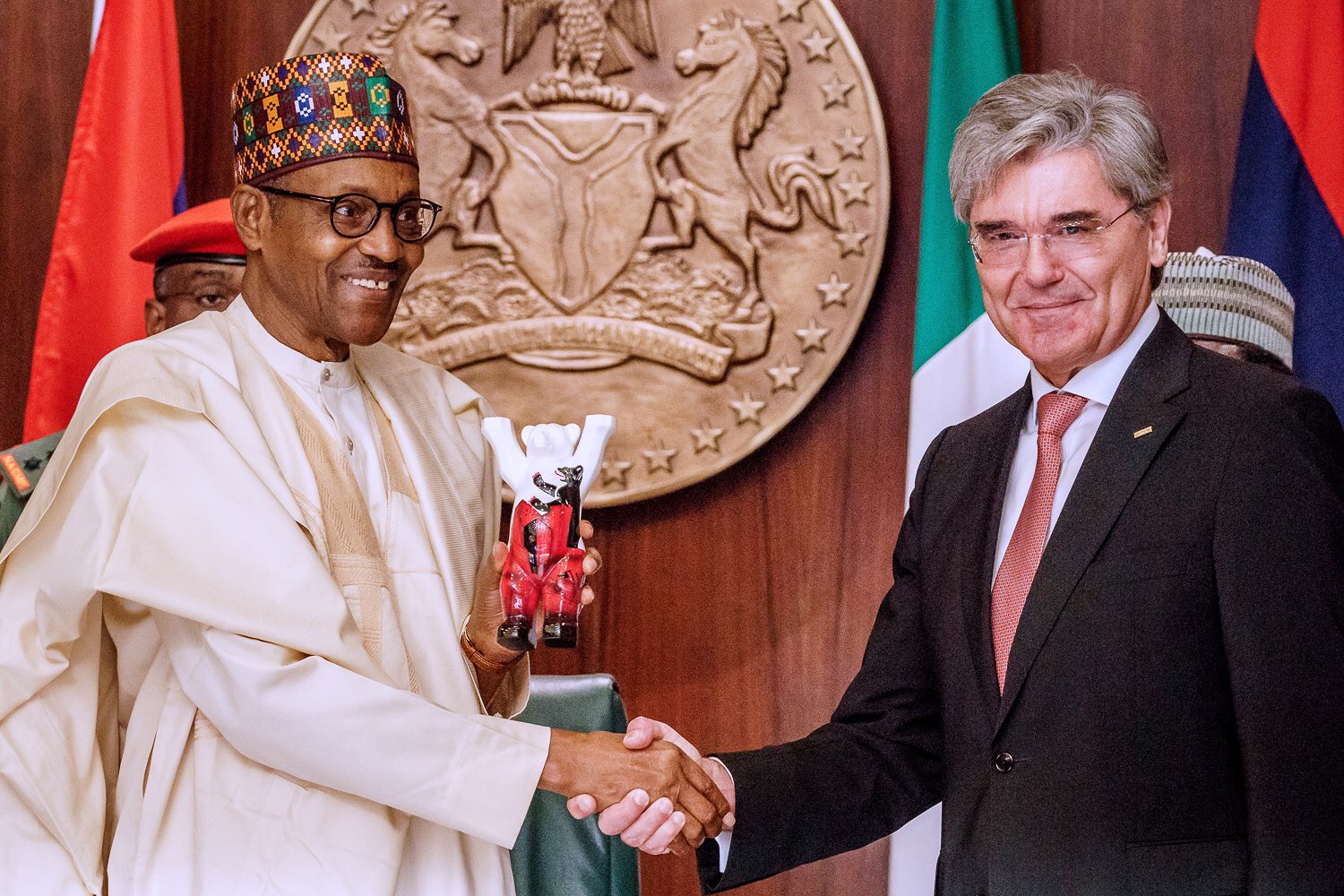
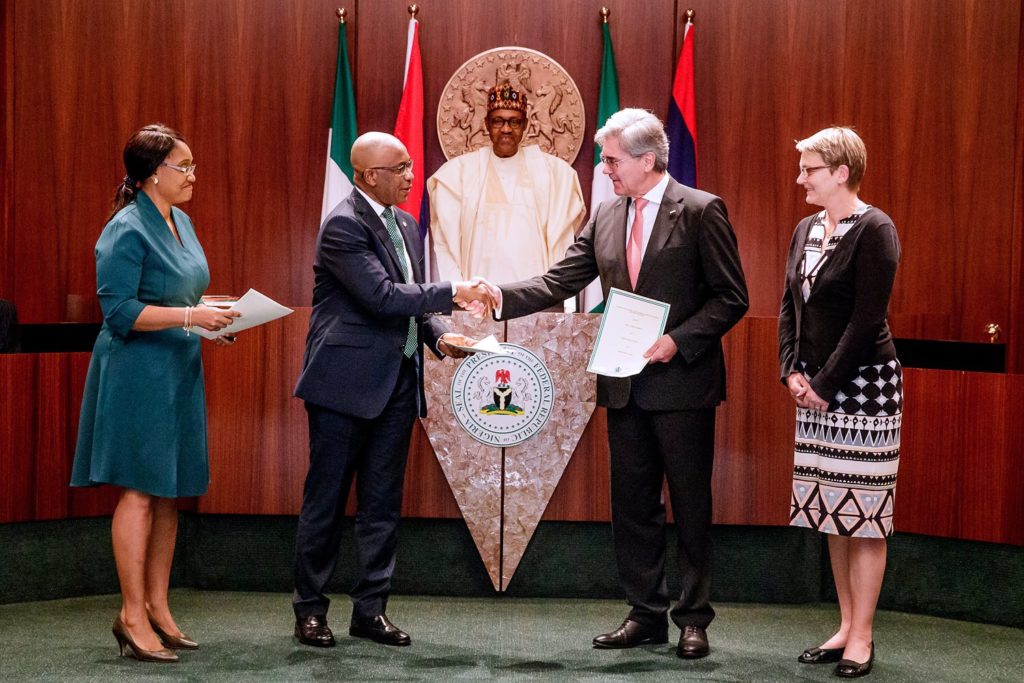
 “We all know how critical electricity is to the development of any community or indeed any nation,” Buhari said at the meeting.
“Whilst we are blessed to have significant natural gas, hydro and solar resources for power generation, we are still on the journey to achieving reliable, affordable and quality electricity supply necessary for economic growth, industrialization and poverty alleviation,” he added.
Addressing this challenge of electricity generation has been a problem for Nigeria over the last two decades. In 2013, the government privatised the electricity sector in a bid to spur investments and expertise needed to develop the sector.
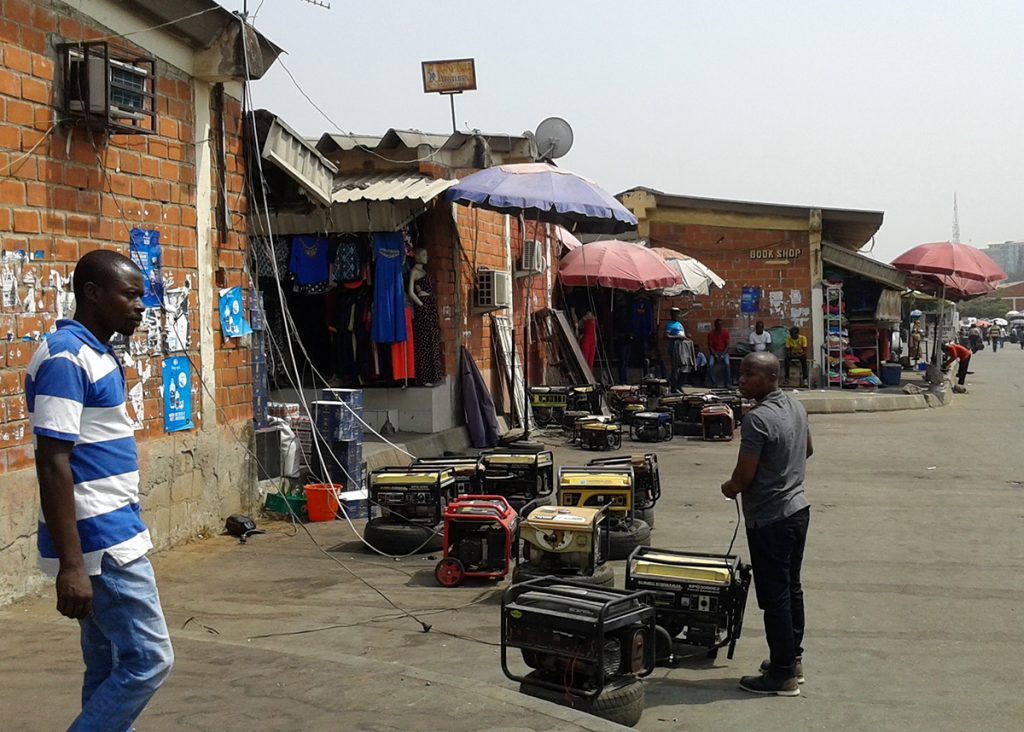
However, things have only marginally improved and the country continues to suffer defects in this sector. For a country with nearly 200 million people, energy generation is still below 5,000 megawatts. By comparison, South Africa produces 51,309 megawatts of electricity for its population of about 60 million people.
Since the start of 2019, Nigeria’s power supply has dropped as frequent problems with the national grid hampered power generation. By April 27, 2019, the national grid had collapsed at least six times, leading to a decline of electricity generation from 4,338 megawatts to 2,919 megawatts.
“We all know how critical electricity is to the development of any community or indeed any nation,” Buhari said at the meeting.
“Whilst we are blessed to have significant natural gas, hydro and solar resources for power generation, we are still on the journey to achieving reliable, affordable and quality electricity supply necessary for economic growth, industrialization and poverty alleviation,” he added.
Addressing this challenge of electricity generation has been a problem for Nigeria over the last two decades. In 2013, the government privatised the electricity sector in a bid to spur investments and expertise needed to develop the sector.
However, things have only marginally improved and the country continues to suffer defects in this sector. For a country with nearly 200 million people, energy generation is still below 5,000 megawatts. By comparison, South Africa produces 51,309 megawatts of electricity for its population of about 60 million people.
Since the start of 2019, Nigeria’s power supply has dropped as frequent problems with the national grid hampered power generation. By April 27, 2019, the national grid had collapsed at least six times, leading to a decline of electricity generation from 4,338 megawatts to 2,919 megawatts.