Friday sees more smiles than any other weekday for a reason, but this Friday, we’re smiling because we’re launching the TechCabal Daily Guest program.
Every Friday going forward we’ll have someone active in the African tech ecosystem write this newsletter.
The writer for today’s newsletter is Nekesa Were, Director of Strategy at Afrilabs and advisor at SNDBX.
In today’s edition:
Netflix
The state of internet connectivity in 2026
The Solarwinds Hack
TC Deal tracker
Biggest stories in 2020
Netflix adds Zimbabwean billionaire Strive Masiyiwa to its board
Netflix has announced that Strive Masiyiwa has been appointed to its board.
Looks like there’s a trend
In 2018 Twitter added former Nigerian finance minister, Ngozi Okonjo Iweala, to its board .
Earlier this year, three Africans including Kenya’s Maina Kiai, a human rights defender, were appointed as members of the newly created Oversight Board for Facebook and Instagram Content.
What this means
Africans are moving from consumers to creators and decision-makers and these appointments show a landmark growth in the technology and creative industries across Africa.
Having Africa represented at the highest levels makes for good business, as data shows that companies with diverse boards benefit economically.
According to Digital TV Research’s Simon Murray, Netflix’s investments in African content could see them increase their subscribers on the continent to five million from the current 1.41 million.
Big Picture: Masiyiwa has experience in the African Pay-TV sector through his dealings in Econet Media which operated the “Kwese” brand. With him, Netflix is looking to gain some advantage over South African-based Showmax and Nigeria’s IROKOtv.
PARTNER CONTENT
“Send or receive money instantly, in any currency, free of charge, only with Barter By Flutterwave. Start here“
What could 2026 look like?
Most people, including me, are done with this year and already looking to the next. Well, Ericsson’s mobility report wants us to think further about how different Africa could be in 6 years’ time.
What’s in this report
It expects four out of every ten mobile subscriptions in 2026 will be 5G.
It has projected increased growth in mobile broadband subscriptions in Africa. Predicting that sub-Saharan Africa’s mobile broadband subscriptions will account for 76 per cent of all mobile subscriptions in Africa by 2025. This growth is attributed to increased digital skills and affordable smartphones.
In October, Mozilla and the Africa Telecommunications Union announced that they were partnering to promote rural connectivity across Africa. And more recently, Liquid Telecom partnered with Google’s Project Taara to expand and enhance affordable, high-speed Internet to communities across its networks in Sub-Saharan Africa.
Why this matters
Having more devices and digital skills is a strong starting point, but it is just a start. The huge opportunity is in what African’s will use their skills and devices for, like accessing services and building solutions.
We will likely see more employment and tax payments. If this is not good news for governments, I don’t know what it is.
Looking forward: Earlier this year GSMA released its mobile gender gap report which highlighted a substantial gender gap in mobile internet use in low and middle-income countries. Sub Saharan Africa has the second-largest gender gap in the world at 37%, which means fewer women access the internet than men. By how much could this gap be reduced in the coming years?
Are African Governments prepared to be hacked?
While the US recovers from the SolarWinds Hack – one of the largest hacking operations in US history, it is suspected that pan-African payments company Cellulant has fallen victim to hackers with sensitive user data being leaked.
What’s Cellulant saying?
Cellulant says its system wasn’t breached but rather a test system belonging to a third-party provider, and this has since been shut down.
Why should I care?
The SolarWinds hack shows us that public institutions, including African governments, aren’t safe. The increase in digital users and the potential for digital tools to transform the continent has also attracted crime. The Communications Authority of Kenya data shows that 34.64 million cyber threats were detected in the first three months of 2020, a rise of 231.5 percent from 11.2 million threats in a similar period last year.
Kaspersky Security Solutions has also reported 28 million malware attacks in 2020 and 102 million detections of Potentially Unwanted Applications (PUA).
But good news…
There is a growing capacity in ICT security in Africa with groups like the AfricaHackOn collective nurturing the next generation of experts and white hat hackers.
While cybersecurity at the government level seems to focus on invading the privacy of citizens and human rights activists, we should now demand more ICT protection for government platforms and citizens
INSIGHTS
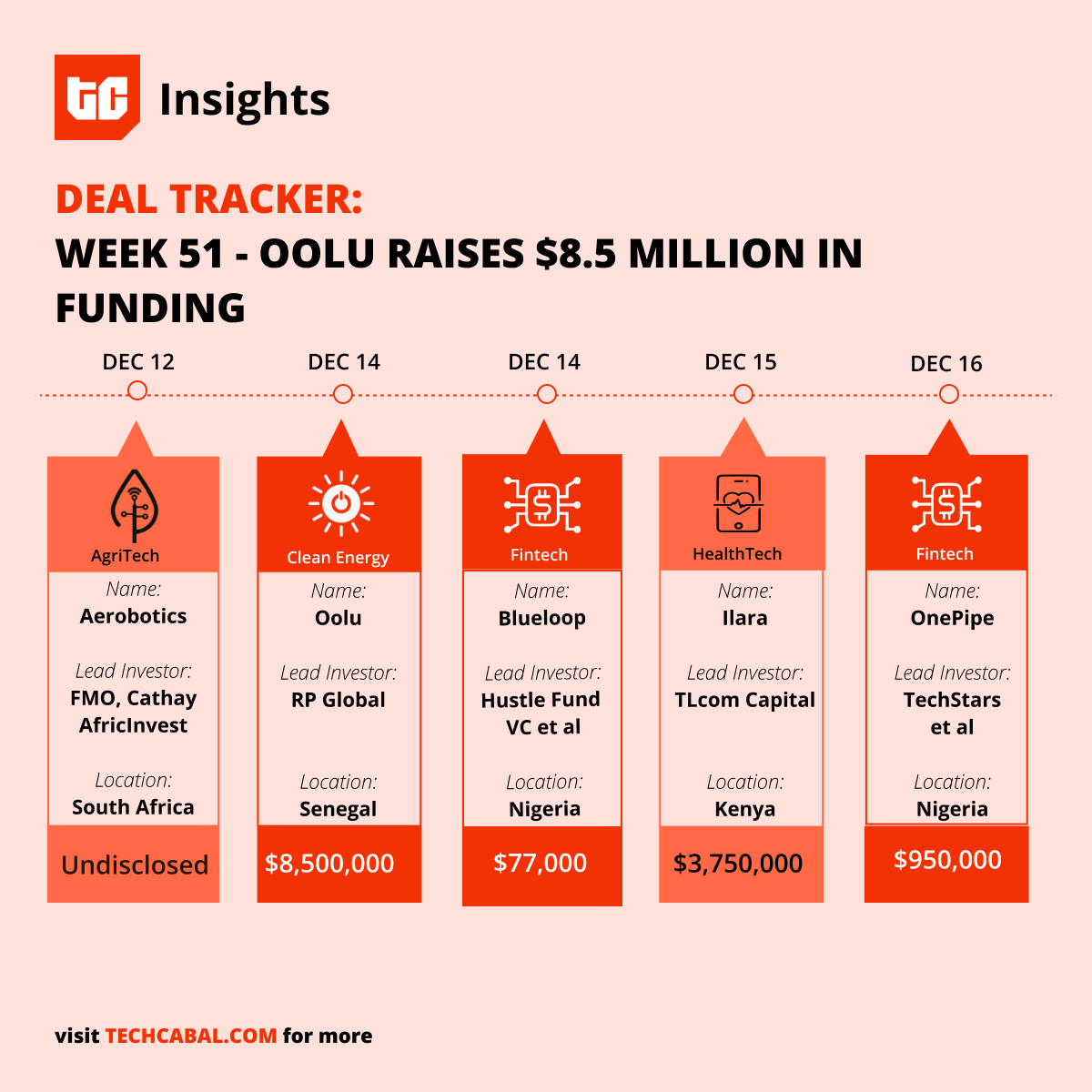
The year’s not the only thing drawing to a close; tech startups in Africa are also closing major funding rounds.
Oolu raised $8.5m in funding from RP Global while Ilara closed a $3.75m Series A round led by TLcom Capital.
In addition:
StarNews Mobile also closed a pre-Series A round led by Investors and Partners (I&P)
Five Nigerian startups each won equity-free grants worth $10,000.
That’s it for the week!
For more updates, stay tuned and follow @TC_Insights on Twitter.
BIGGEST STORIES OF 2020
Internet Shut down in Ethiopia
The Ethiopian government has cut internet connectivity more than 12 times over the years. In January 2020, the government shut down the internet in the Oromia region for three months.
These cuts represent another step backward for Prime Minister, Abiy Ahmed, who was once hailed as a reformer and even earned a Nobel Peace Prize.
Muyiwa also asks whether internet cuts will undermine Ethiopia’s attempts to open up the telecoms sector?
Read: Internet shutdown in Ethiopia enters its eighth day
WHAT ELSE ARE WE READING?
Ranked: The World’s Most Valuable Nation Brands in 2020
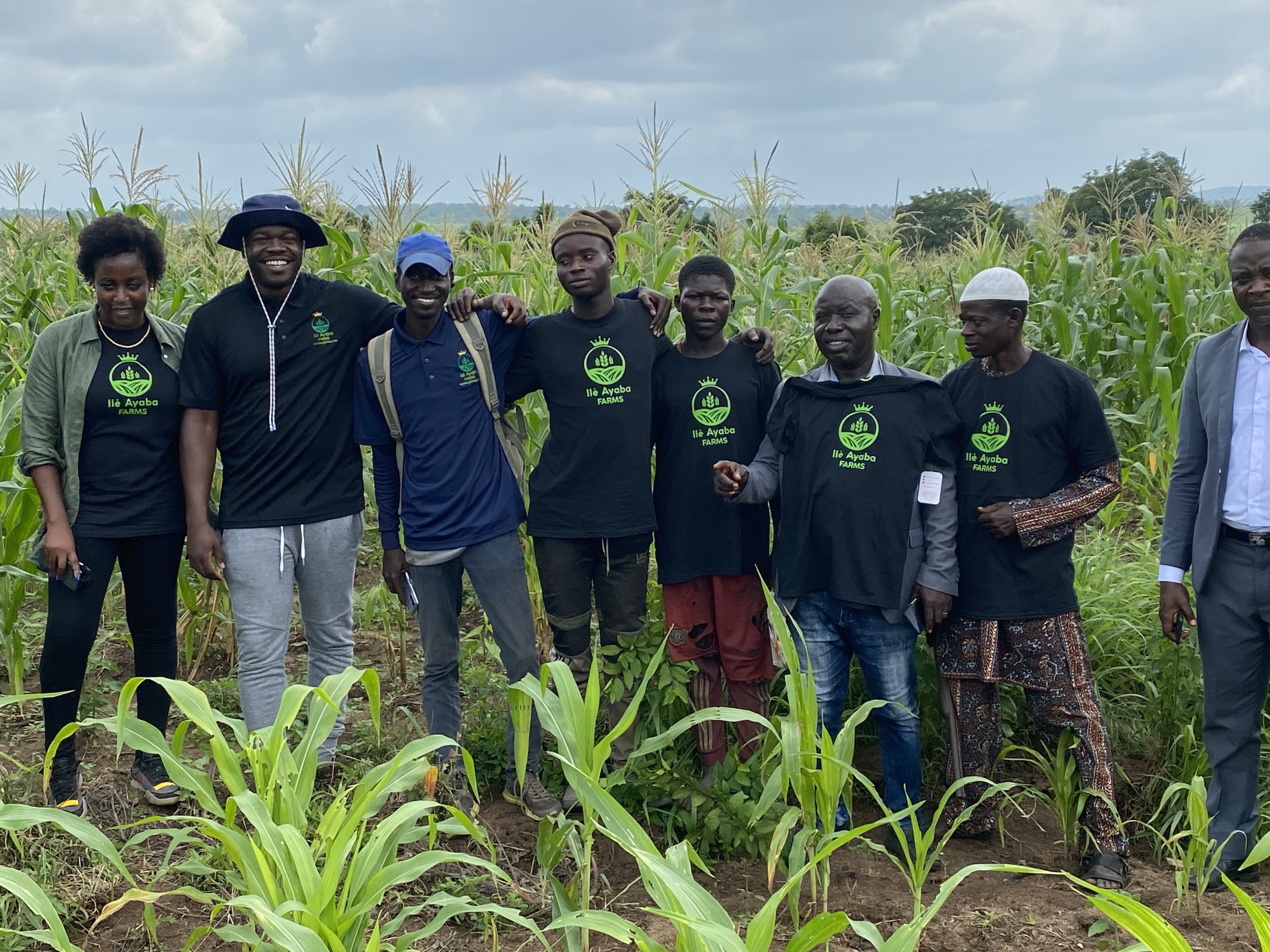
Alexander Xanders and the uFarmx team inspect a maize farm as part of efforts to improve access to inputs and support agricultural production. Image source: UfarmX
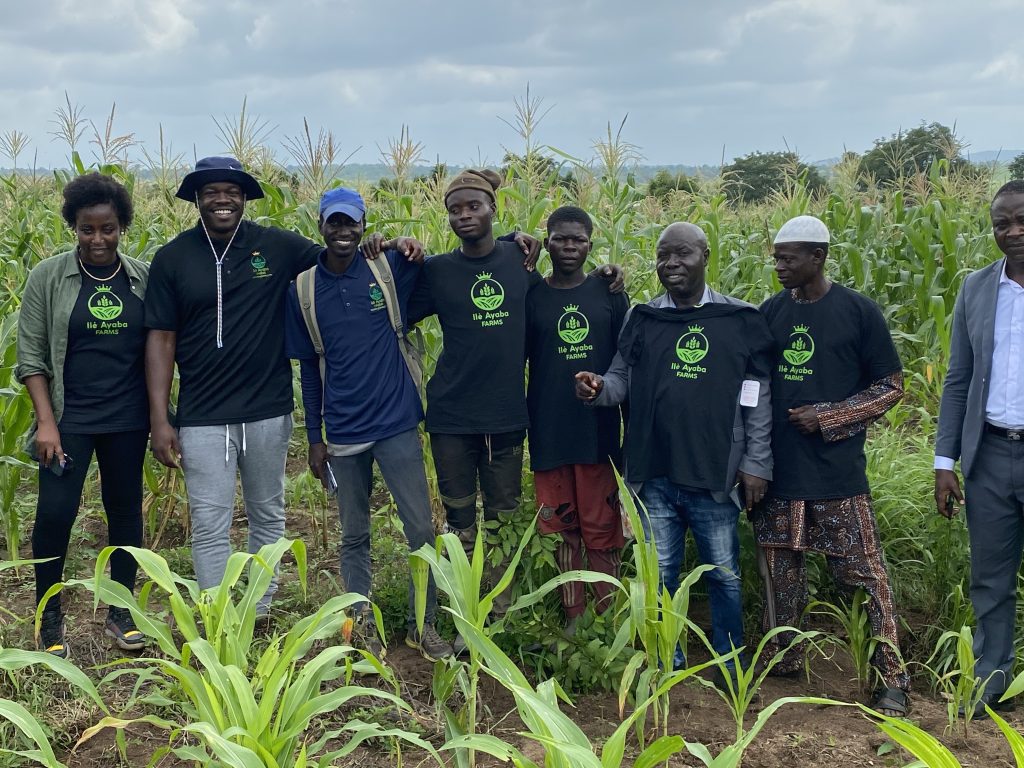
Alexander Xanders and the uFarmx team inspect a maize farm as part of efforts to improve access to inputs and support agricultural production. Image source: UfarmX
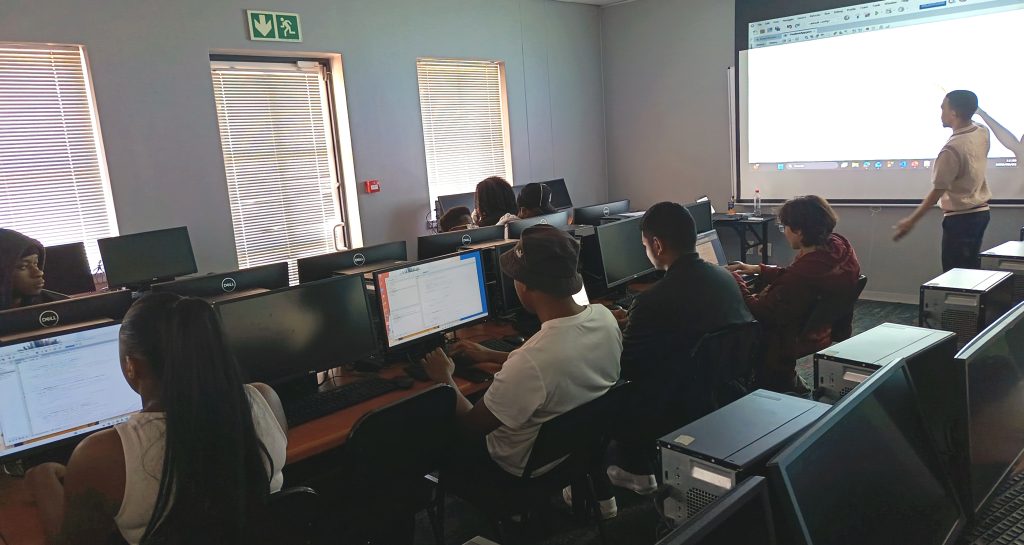
A tech degree is only the start. Richfield students build the skills they will need to turn classroom learning into workplace experience. Image source: Phathisani Moyo
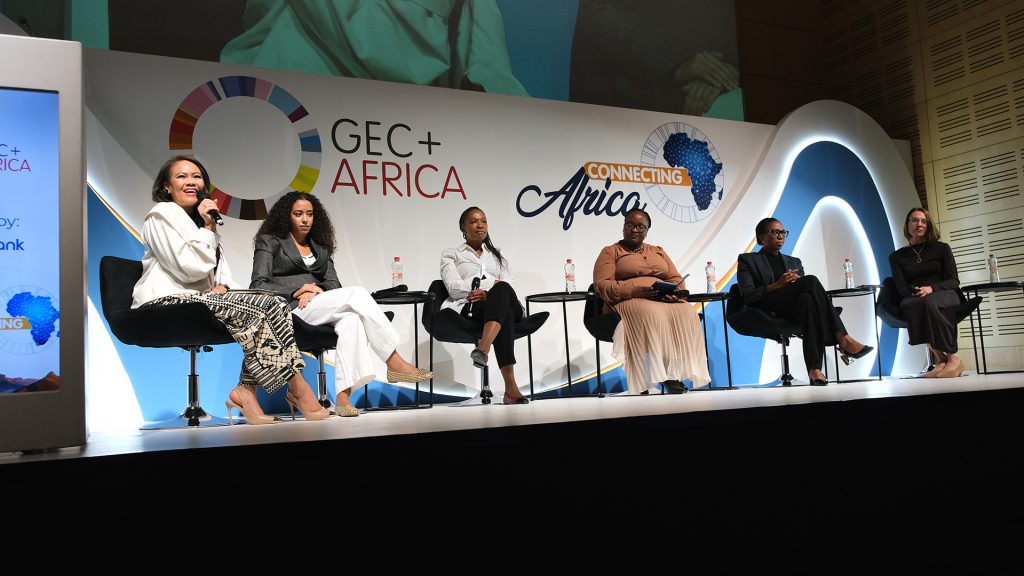
GEC+Africa in Cape Town highlighted a deeper challenge facing African businesses: how to make economic activity visible to capital. Image source: GEC+Africa.