How Chukwuyenum Opone applies distributed systems engineering, simulation research, and the Layered Gameplay Systems Model (LGSM) to scalable gameplay architecture.
Engineering scalable interactive systems
Before entering mainstream game development, Chukwuyenum Opone focused on solving a deeper engineering challenge: how large-scale interactive systems remain stable, scalable, and responsive as users, services, and transactions grow. Between 2018 and 2023, he designed distributed gaming architectures capable of coordinating multiplayer interactions, payment processing, and third-party gaming services within unified orchestration layers. Rather than relying on fragmented point-to-point integrations, his work introduced repeatable coordination models where services communicate through centralised interfaces, allowing systems to scale without instability. These architectures supported real-time gameplay, financial transactions, and multi-provider interoperability while maintaining high reliability and low operational complexity.

Systems engineering, simulation, and research
In 2023, Opone moved to the United Kingdom to pursue an MSc in Computer Games Programming at Teesside University, graduating with Distinction in 2024. During this period, he expanded his engineering approach into simulation and behavioural research systems, architecting full-stack interactive environments capable of handling large-scale participant interaction while preserving near-perfect data integrity. His work connected gameplay logic, user interaction, analytics, and validation systems into a single measurable pipeline, enabling behavioural data to be captured in real time without disrupting user immersion. This systems-first methodology demonstrated how interactive technologies can extend beyond entertainment into academic research, simulation design, and large-scale user modelling, establishing reusable engineering patterns for future interactive platforms.

The Layered Gameplay Systems Model (LGSM)
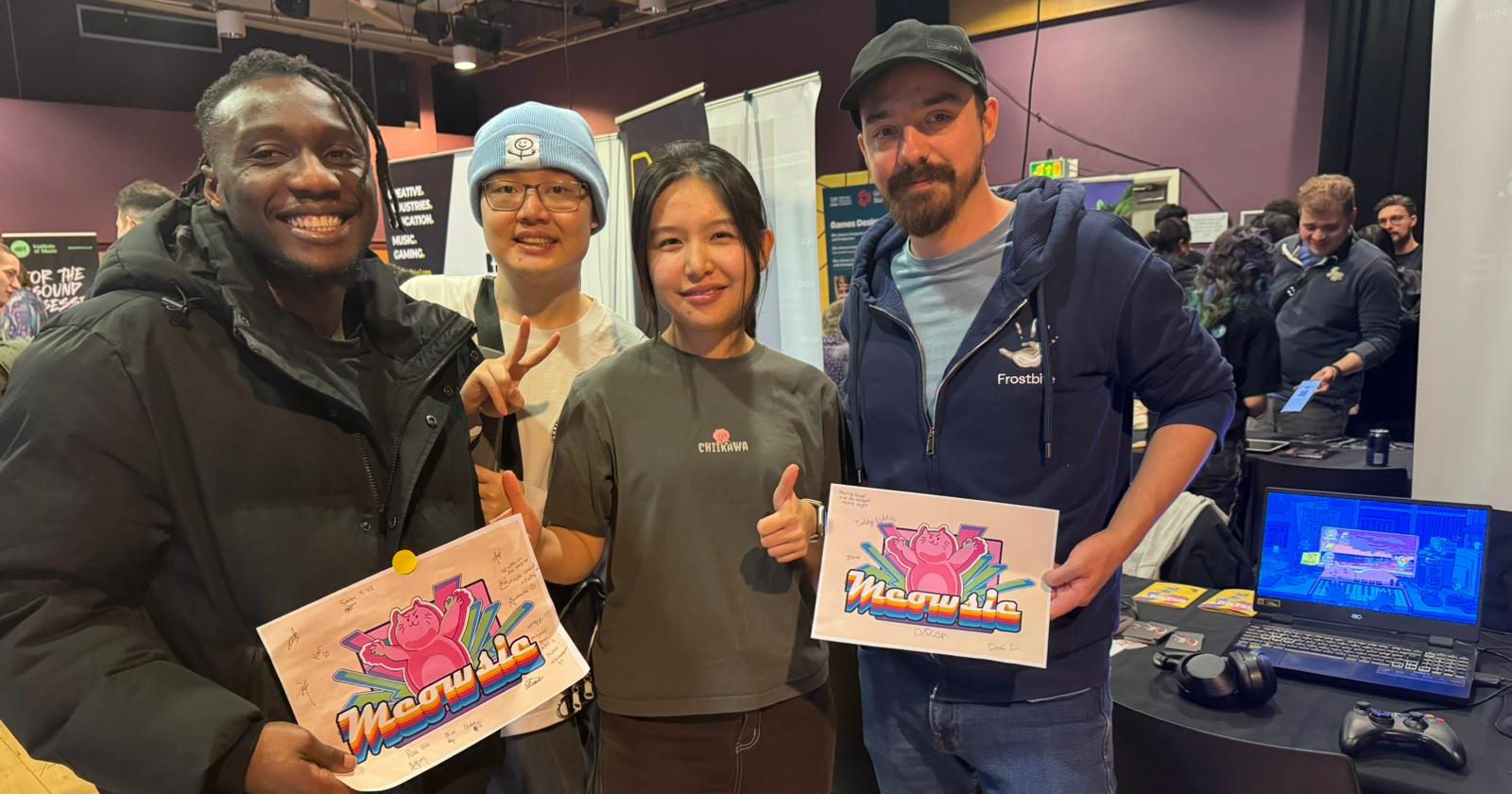
Alongside his infrastructure work, Opone developed a gameplay architecture framework called the Layered Gameplay Systems Model (LGSM), a scalable systems design methodology for building adaptive and modular gameplay interactions. Rather than treating gameplay as isolated mechanics, LGSM structures gameplay into interconnected responsive layers that continuously react to player input, audio, environmental triggers, and system states. He applied this model directly to Meowsic, where gameplay and sound dynamically influenced one another in real time. The project’s systems-driven design led to its nomination for Most Innovative Gameplay at the GDLX Indie Game Awards. Opone later delivered a technical presentation at the GDLX Indie Game Expo explaining how the LGSM framework enables scalable gameplay architecture, modular interaction design, and long-term system extensibility within Unreal Engine production environments.

Industry recognition and technical contributions
Beyond development, Opone has contributed to the wider games industry through highly selective programmes, conferences, and technical speaking engagements. He was selected for the Into Games Boost Programme, an initiative designed to identify and support emerging high-potential talent within the UK games industry, and later gained experience within AAA production workflows through work on a commercial Unreal Engine project. His projects and technical work have been showcased at recognised industry events including Animex x Gamebridge, Get Into Games Festival, GDLX Indie Game Expo, and Odyssey Toys and Games Festival. Through technical talks on scalable gameplay systems, Unreal Engine production architecture, and collaborative development workflows, his work demonstrates not only technical innovation, but also growing recognition within reputable industry and research communities where participation, selection, and award nominations are highly competitive.
From technical innovation to indie game studio leadership
Scyte Studios Ltd is an independent game studio based in Middlesbrough, founded by Chukwuyenum Opone, Ruixin Wu, and Shoong Herng. The studio develops original interactive IP centred on scalable gameplay architecture, technical innovation, and adaptive player experiences. As Co-Founder and Technical Director, Opone leads the studio’s technical direction, overseeing gameplay systems engineering, production architecture, and long-term scalability across projects.
The studio was also selected as one of only three studios accepted into the TUEI Power Up Launchpad Accelerator Programme following a competitive pitch process, recognising both the technical potential of its projects and the studio’s innovation-led approach to interactive development.
Conclusion
Across distributed infrastructure, simulation systems, and adaptive gameplay design, Opone’s work reflects a consistent focus on building scalable and reusable interactive technologies. His contributions combine systems engineering with gameplay innovation, creating frameworks that extend beyond individual projects into broader technical practice. This approach is exemplified through Meowsic, the experimental gameplay project built using the LGSM framework, which is now publicly available on Steam and continues to demonstrate how scalable systems thinking can shape modern game development.