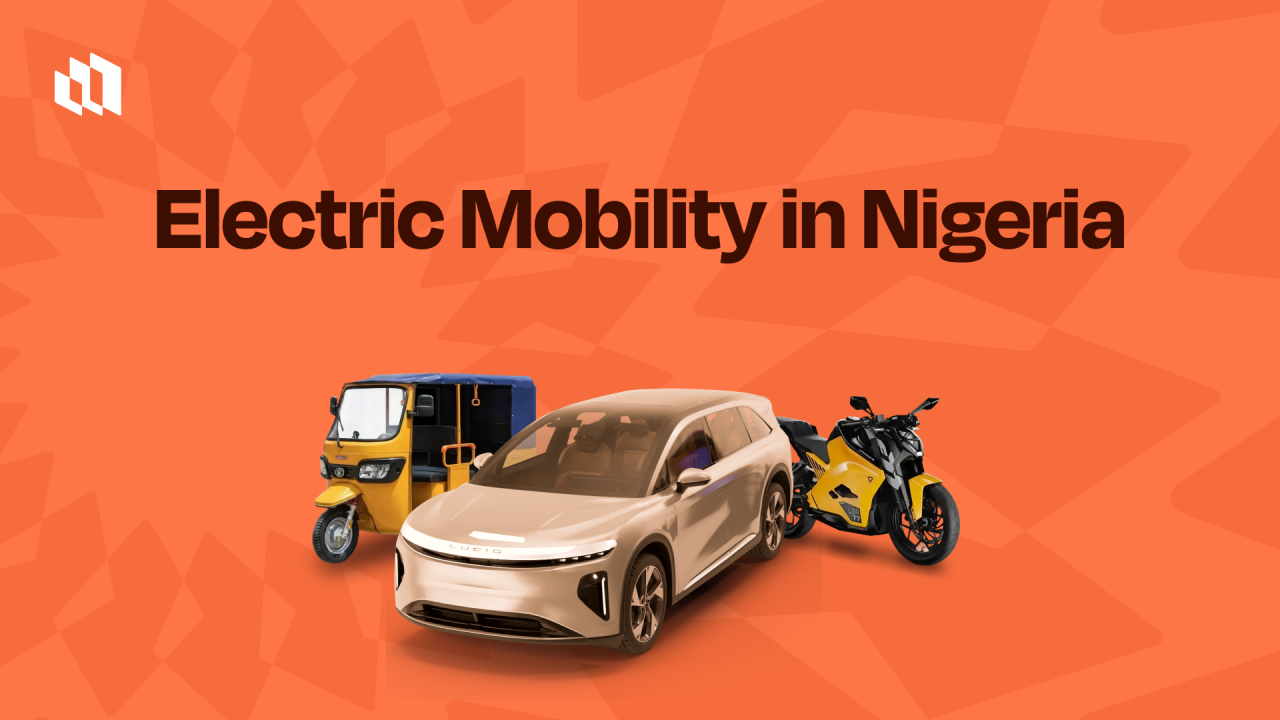
Ever since its rebrand from PayHippo in 2025, Rivy, a clean energy financing company, has provided solar and carbon financing for businesses across the country. The company is now expanding its offerings to Electric Vehicle financing.
According to research by the World Journal of Advanced Research and Reviews on A Systematic Review on the Impact of Petroleum Price Volatility on Household Purchasing Power and Consumption Patterns in Nigeria (2020-2024), the Nigerian economy remains heavily dependent on petroleum revenues, contributing a substantial proportion of government income, despite accounting for approximately 10% of the country’s GDP in 2024. However, the volatility of fuel prices continues to influence macroeconomic factors, affecting food prices and other expenses.
Why now for EVs?
In 2025, Nigeria introduced an Electric Mobility bill to regulate the EV industry as an emerging market. Nigeria currently has an estimated 15,000–20,000 EVs already on the road, with a projected annual growth rate of 30.6% through 2031, showing that the demand is rising fast. Growth is driven by the fact that riders can save between 60%-80% on fuel costs by switching to an EV.
To support this growth, Rivy offers a range of financing options for fleet operators, logistics businesses and EV dealers to purchase EVs. This also covers two-wheelers (bikes and motorcycles), and three-wheelers (tricycles). Rivy also partnered with Ecowaka to finance electric keke (three-wheelers) to accelerate the transition to sustainable transportation.
With this expansion, Rivy has transitioned from being a ‘Solar Finance’ company into a broader ‘Clean Energy Finance’ company. Rivy’s clean energy financing is bridging the gap between the need for clean energy and access to clean energy assets. To partner with Rivy, head over to rivy.co