
Good morning ☀️
What does it mean to be a trillionaire in dollars? Until recently, it was inconceivable for most people, but not all. The SpaceX IPO made a lot of people very financially happy, but it made one man—Elon Musk—wealthy beyond what a good chunk of the earth’s inhabitants can conceive. One question I have: what’s he going to do with all that money? What can anyone do with all that money?
It’s a good reminder to lock in this week: you won’t become a trillionaire, but maybe you can hustle towards millionaire status.
—Zia
Get smarter about Francophone Africa with our newsletter, Francophone Weekly—the startups, tech policies, and institutions building the pipelines for ecosystem growth.

government
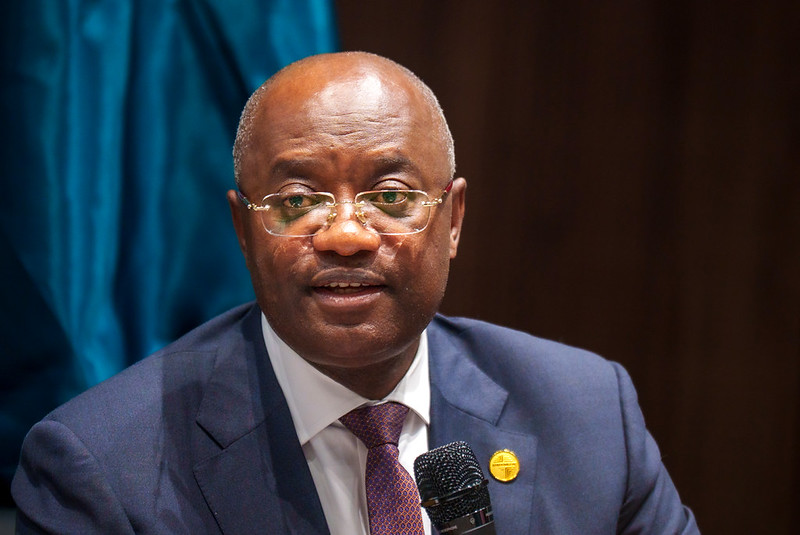
DRC unveils national digital ID system

If you asked the Democratic Republic of Congo (DRC)’s government for a description of a future for its citizens, it’d probably be one word: RDC-PASS.
What’s with the RDC-PASS craze? The DRC is rolling out RDC-PASS, a national digital identity system that aims to give citizens one digital identity for authentication, e-government services and financial verification. The government stated that it will be rolled out in phases, although official launch dates have not been communicated.
So what exactly will it do? RDC-PASS comes with four promises: verify SIM card owners using biometric data to reduce fraud, give citizens one identifier to access government platforms instead of multiple credentials, power digital know-your-customer (e-KYC) checks for banks and financial services, and create a secure digital identity that works alongside — not instead of — physical identity documents.
Why governments love digital IDs: For modern services to remain secure, trust is crucial. Before a bank opens an account or a government agency provides benefits, it needs to know the person on the other end is who they claim to be. Across the continent, governments are building digital ID systems. Nigeria has the National Identification Number (NIN) system, with over 126 million Nigerians registered.
South Africa is proposing a digital ID system that will serve as an additional form of identity, established via biometric verification. The goal is to make it easier for citizens to access services, while helping institutions verify people faster
What will this change for the Congolese? If RDC-PASS works as intended, opening a bank account may require fewer documents, accessing government services could involve fewer trips between agencies, and identity checks could happen faster. Adoption will be the real test. A digital ID is only useful if banks, telecom companies, government agencies, and citizens use it.


We Have Secured the Bank of Ghana EPSP Licence.
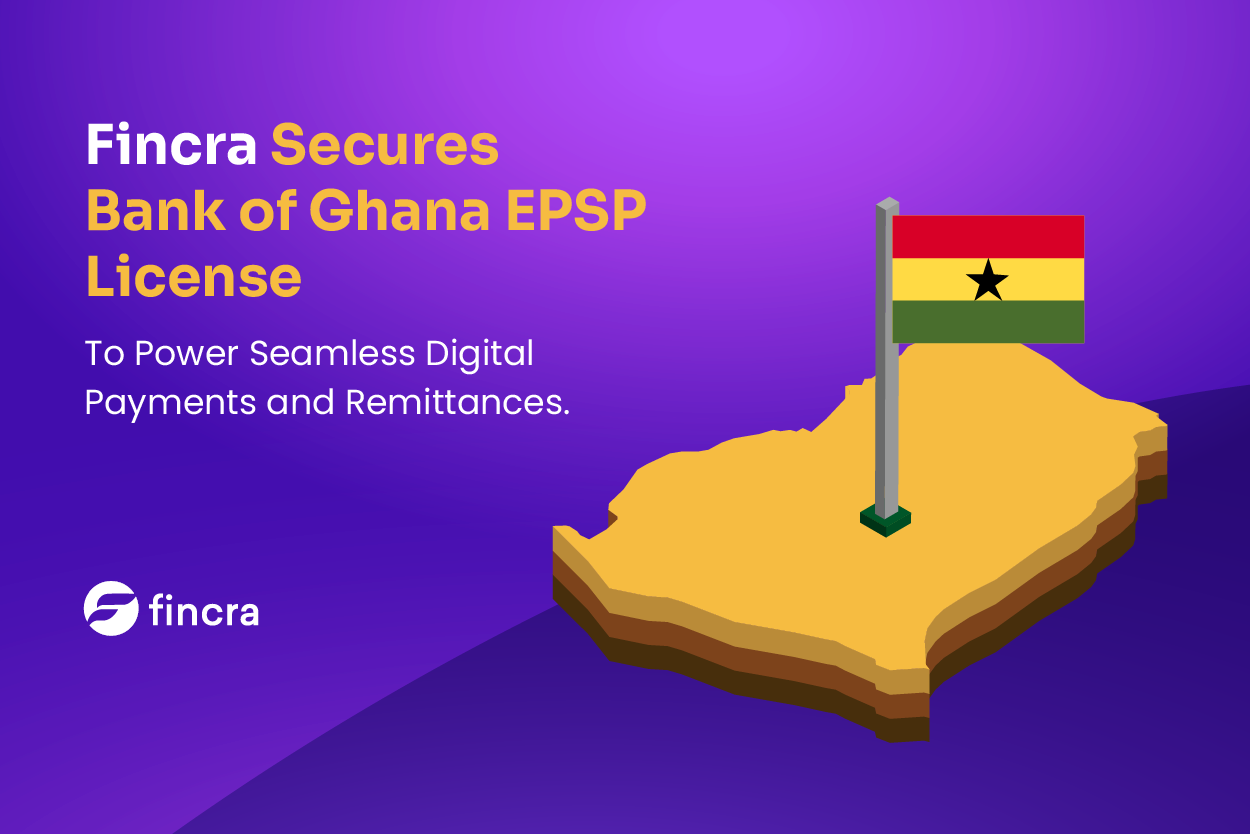
Fincra has officially secured its Enhanced Payment Service Provider licence. This regulatory milestone authorizes Fincra to directly collect, process, and settle payments in Ghanaian Cedis, offering a highly streamlined financial pipeline for businesses operating within the region. Start here.
mobility
South Africa’s EV transition is creating an unexpected funding problem
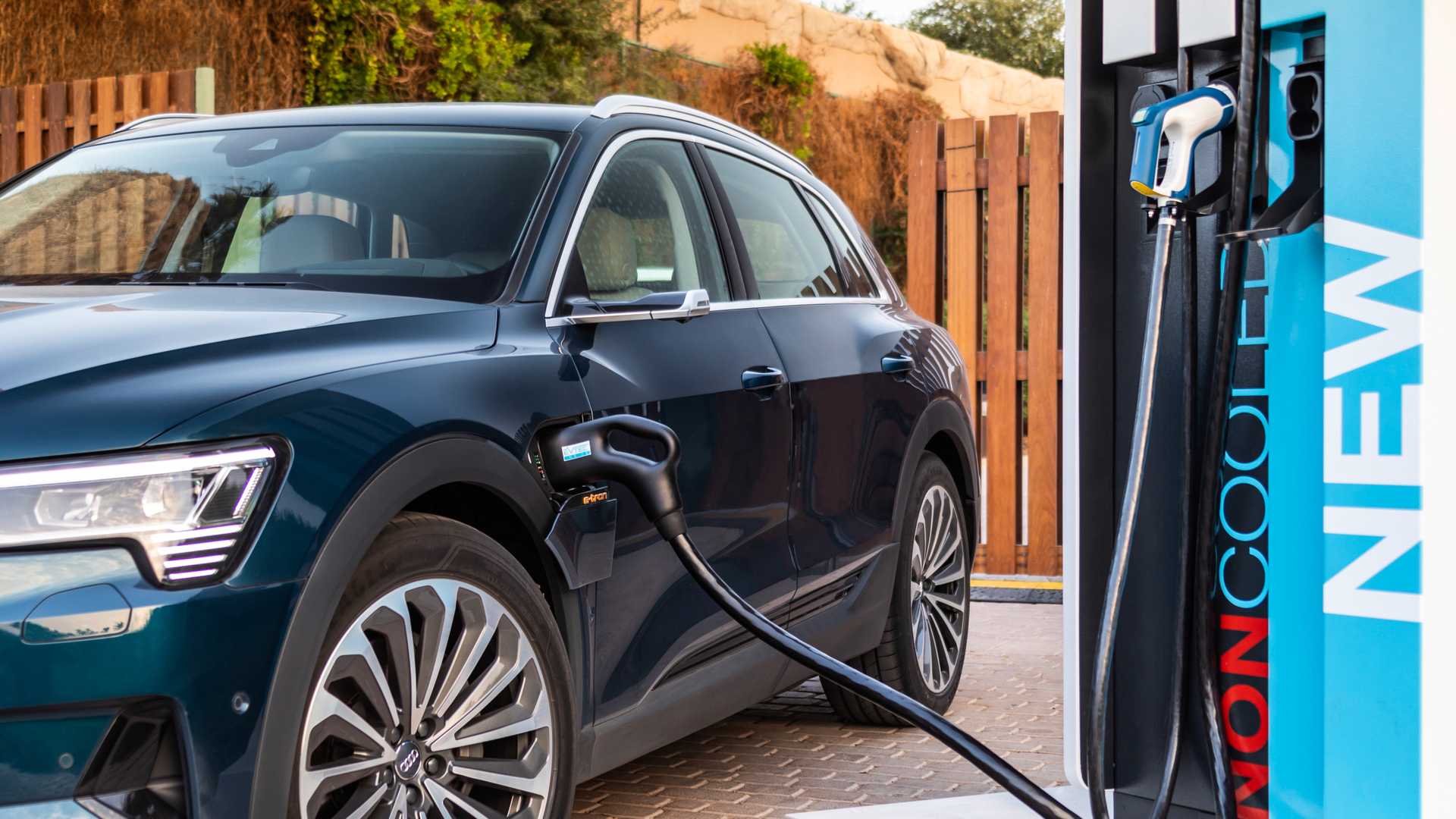
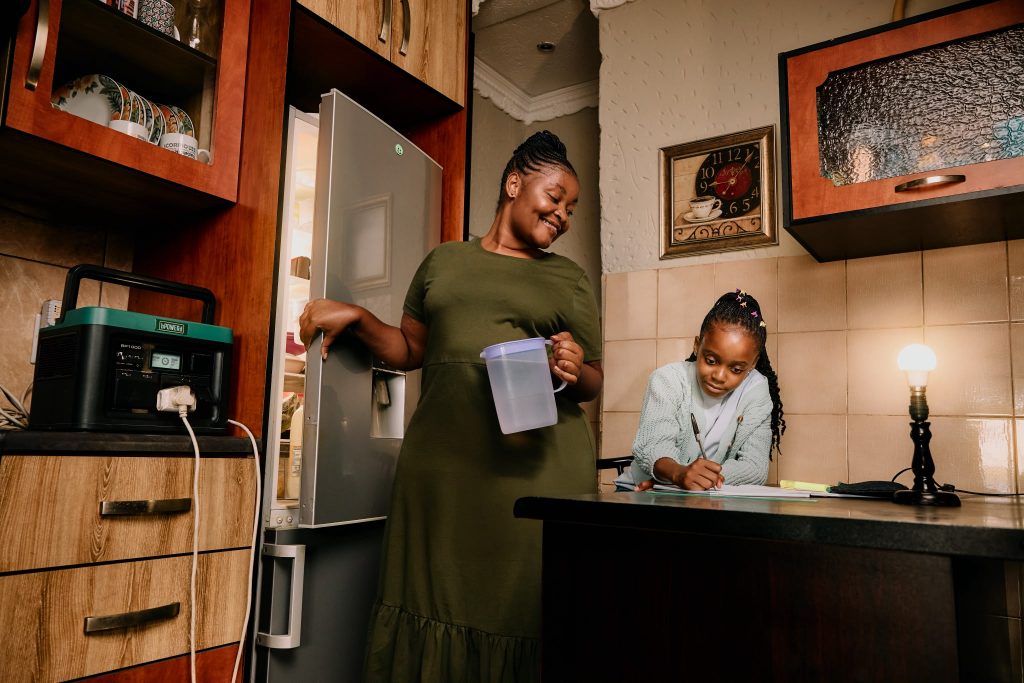
South Africa has funded its Road Accident Fund (RAF) that provides compensation and support to individuals who suffer bodily injuries or are killed in motor vehicle accidents, through a levy baked into the price of every litre of petrol and diesel sold.
But there’s a problem: Electric vehicles don’t drink petrol. In the first quarter of 2026, battery-electric vehicle (BEV) sales rose 96% year on year. As more EVs are sold and as more South African’s switch to EVs, fewer litres of fuel are sold, and less money flows into the fund that compensates road accident victims. Now the government is considering a new licence disc renewal fee to plug the gap.
Why people are upset: Right now, motorists driving petrol and diesel vehicles already contribute to the RAF through the fuel levy. Under the new proposal, they could also pay an additional fee when renewing their licence discs. Meanwhile, EV owners, the group whose growth partly triggered the funding problem, don’t pay the fuel levy because, well, they don’t buy fuel.
Then the bigger issue: In 2025, the RAF told Parliament that it is structurally insolvent, meaning its long-term liabilities exceeded its assets and expected income. It also reported a backlog of 400,000 claims in November, with no indication that it had been cleared.
What happens next? South Africa is confronting a challenge that many countries with fast EV adoption will eventually face. Fuel taxes have funded roads, transport infrastructure, and accident compensation schemes, but as vehicles become electric, governments must find new ways to collect that money.
Kora joins IATA’s Financial Gateway
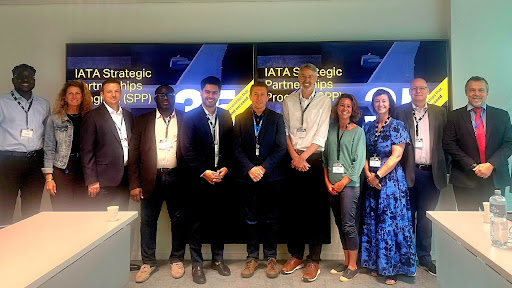
Kora joins IATA’s Financial Gateway, giving global airlines a single connection to Africa’s payment infrastructure. Read more:
countries
Gabon is an oil country trying to become a digital one
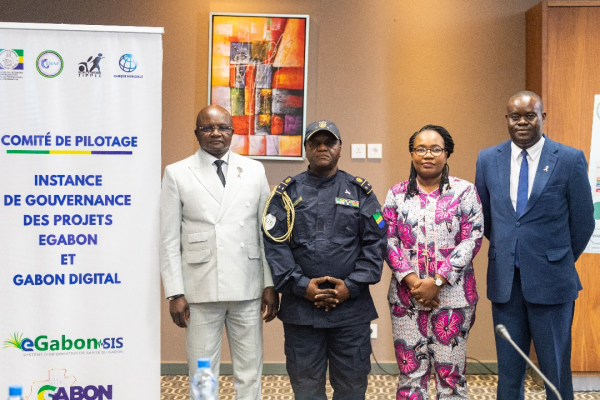
Gabon earns roughly 70% of its export revenue from crude oil. That’s both the country’s greatest asset and its most pressing problem, because oil runs out, oil prices swing, and an economy built almost entirely on one commodity is an economy living on borrowed time. The military-led transition government that took power in 2023 seems to know this, and it’s using digital infrastructure as one of its primary bets on what comes next.
What Gabon is spending: The country has allocatedXAF 82 billion ($133 million) to its digital economy, about 1.5% of itsrevised 2026 total budget of XAF 5,495.2 billion ($9.67 billion). More importantly, some of it is already on the ground. The Magadipe programme, formally known asMaDigiPaie, lets citizens pay for public services via mobile money using GIMACPAY QR codes, with over 1,000 already deployed with merchants and service providers.
The Central African Interbank Monetary Group (GIMAC) and the Bank of Central African States (BEAC) are the institutional partners behind the programme. A parallel$8.9 million investment is funding a national digital skills training scheme, building out local talent in artificial intelligence (AI), cybersecurity, and cloud computing.
Between the lines: Central Africa is the continent’s most digitally underserved region. Gabon, with its relatively high GDP per capita of$10,840 and small population (2.5 million people), is better positioned than most of its neighbours to make this shift. The difference between this and previous digital economy announcements across the continent is that Gabon has something already running: a payments infrastructure, QR codes that are deployed, and a skills programme with a named institutional partner.
Naira Life 2026 is here!

The theme for this year’s Naira Life Conference by Zikoko is “All About Wealth.”
Join 2,000+ in Lagos on August 22 for a day of practical money conversations and workshops designed to move you from simply earning an income to building lasting wealth. Get 15% off early bird tickets.
countries
Kenya’s fuel prices just dropped, but the full picture is a bit more complicated
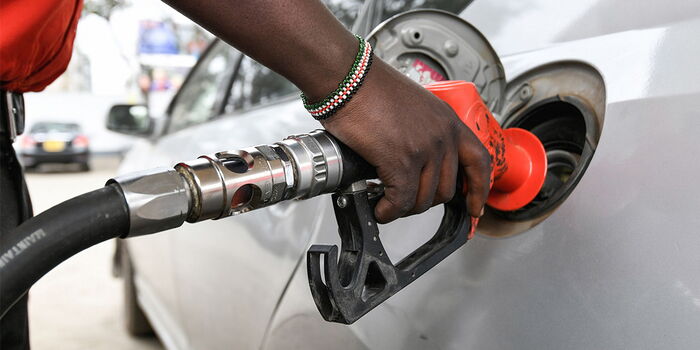
Remember two weeks ago whenBolt raised fares by 6% because fuel prices were eating into driver margins? The Energy and Petroleum Regulatory Authority (EPRA)announced on Sunday that petrol will drop to KES 214.03 ($1.6) per litre in Nairobi, and diesel to KES 222.86 ($1.7) per litre for the June–July cycle. Kerosene remains KES 191.38 ($1.48). The new prices take effect on June 15.
The diesel cut, KES 10 ($0.007) per litre, is the one that matters most. Diesel powers trucks, matatus, generators, and the logistics chains that move goods across the country. A drop that size could ease pressure on transport operators and, over time, nudge food prices down. The petrol cut of KES 0.22 ($0.001) is, comparatively, a rounding error.
Thelanded cost of diesel actually rose slightly, up 0.21% to $1,294.71 per cubic metre between April and May, meaning the price drop at the pump is partly a function of how EPRA calculates the regulated price, not a reflection of genuinely cheaper imports.Middle East supply pressures that drove prices up in April have not resolved. What drops in June can return in July.
Zoom out: Bolt raised fares citing fuel costs and has not signalled any rollback. The company has historically responded to EPRA’s upward revisions faster than its downward ones, which means the 6% increase may quietly become the new baseline for Kenyan riders, regardless of what happens at the pump.
Showcase Your Brand at Moonshot by TechCabal

Founders. Investors. Policymakers. Enterprise leaders. Moonshot 2026 brings together the people shaping Africa’s technology ecosystem across AI, commerce, climate, enterprise, and culture. Spotlight your brand today.
CRYPTO TRACKER
The World Wide Web3
Source:

|
Coin Name |
Current Value |
Day |
Month |
|---|---|---|---|
 Bitcoin Bitcoin |
$65,731 |
+ 2.27% |
– 16.75% |
| Ether |
$1,717 |
+ 2.64% |
– 22.78% |
| XRP |
$1.18 |
+ 3.55% |
– 16.74% |
| Solana |
$71.07 |
+ 4.42% |
– 19.67% |
* Data as of 06.34 AM WAT, June 15, 2026.
JOB OPENINGS
- Kredete — Blockchain Engineer — Lagos, Nigeria
- BBC — Video Journalist, BBC News Igbo — Lagos, Nigeria
- Bank of Taiwan, South Africa —Chief Risk Officer — Gauteng, South Africa
- Busha— Senior Backend Engineer — Hybrid (Lagos, Nigeria)
- M-KOPA— Group Tax Manager, Finance Business Partnering Manager — Nairobi, Kenya
- Britam— Quality Assurance Officer — Nairobi, Kenya
- IQVIA— Senior Statistical Programmer — Nairobi, Kenya
- Realist Optimist— Correspondent Writer — Not specified
- Communiqué— Reporter, Creative Economy & Media Business — Remote (Nigeria)
Looking for more opportunities? There are additional openings on TechCabal’s job board. We’ve also cleared out outdated listings to keep opportunities fresh for job seekers. If you’re hiring and would like to feature an open role, please submit it via this form.

Written by: Opeyemi Kareem and Zia Yusuf
Edited by: Emmanuel Nwosu and Ganiu Oloruntade
Want more of TechCabal?
Sign up for our insightful newsletters on the business and economy of tech in Africa.
- The Next Wave: futuristic analysis of the business of tech in Africa.
- Francophone Weekly by TechCabal: insider insights and analysis of Francophone’s tech ecosystem
P:S If you’re often missing TC Daily in your inbox, check your Promotions folder and move any edition of TC Daily from “Promotions” to your “Main” or “Primary” folder and TC Daily will always come to you.