

Every adult in Lagos or Abuja is secretly an accidental logistics manager running a highly stressful, multi-million Naira energy utility company out of their own kitchen. Abdulmajeed Amussah thinks that’s absurd; so he built an AI to fire them all.
The first thing you realize when you pay attention to the infrastructure of a Nigerian household is that adulthood here is essentially an ongoing battle against sudden resource depletion.
The 12.5kg gas cylinder that was supposed to last through the month dies on a Sunday night while the stew is halfway done. The local vendor’s phone goes straight to voicemail. The diesel holding the generator together cuts out on a Thursday afternoon, mid-zoom call, mid-sentence. The prepaid electricity meter, which you could swear you recharged last week, lets out its signature high-pitched beep of doom.
In a city like Lagos, energy doesn’t just run out; it runs out aggressively, at the exact moment designed to cause maximum psychological damage.
This isn’t a minor domestic inconvenience. It’s a systemic operational failure. In Lagos alone, citizens burn an estimated ₦5.3 trillion every single year on an informal, fragmented, and unpredictable utility supply chain.
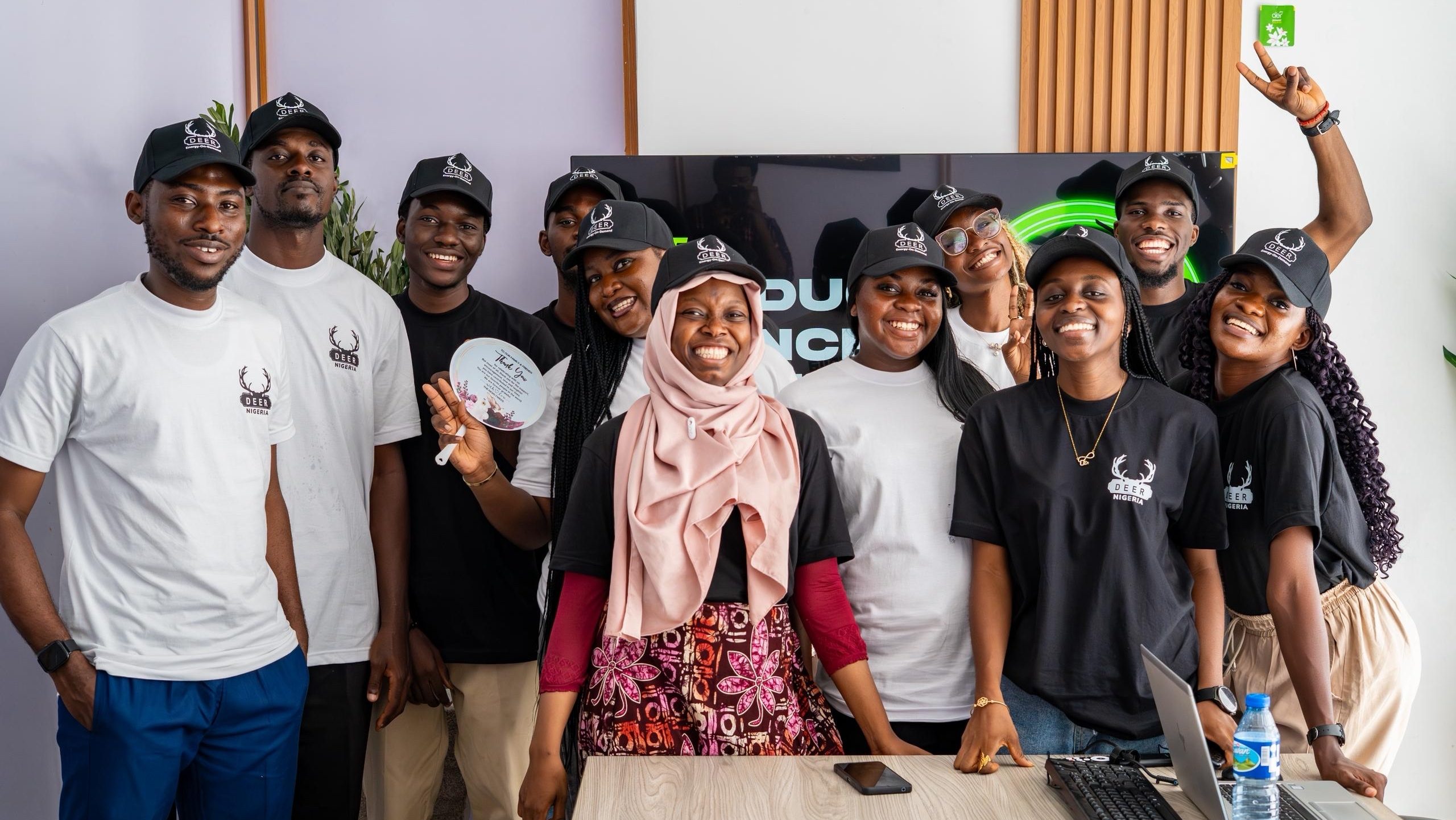
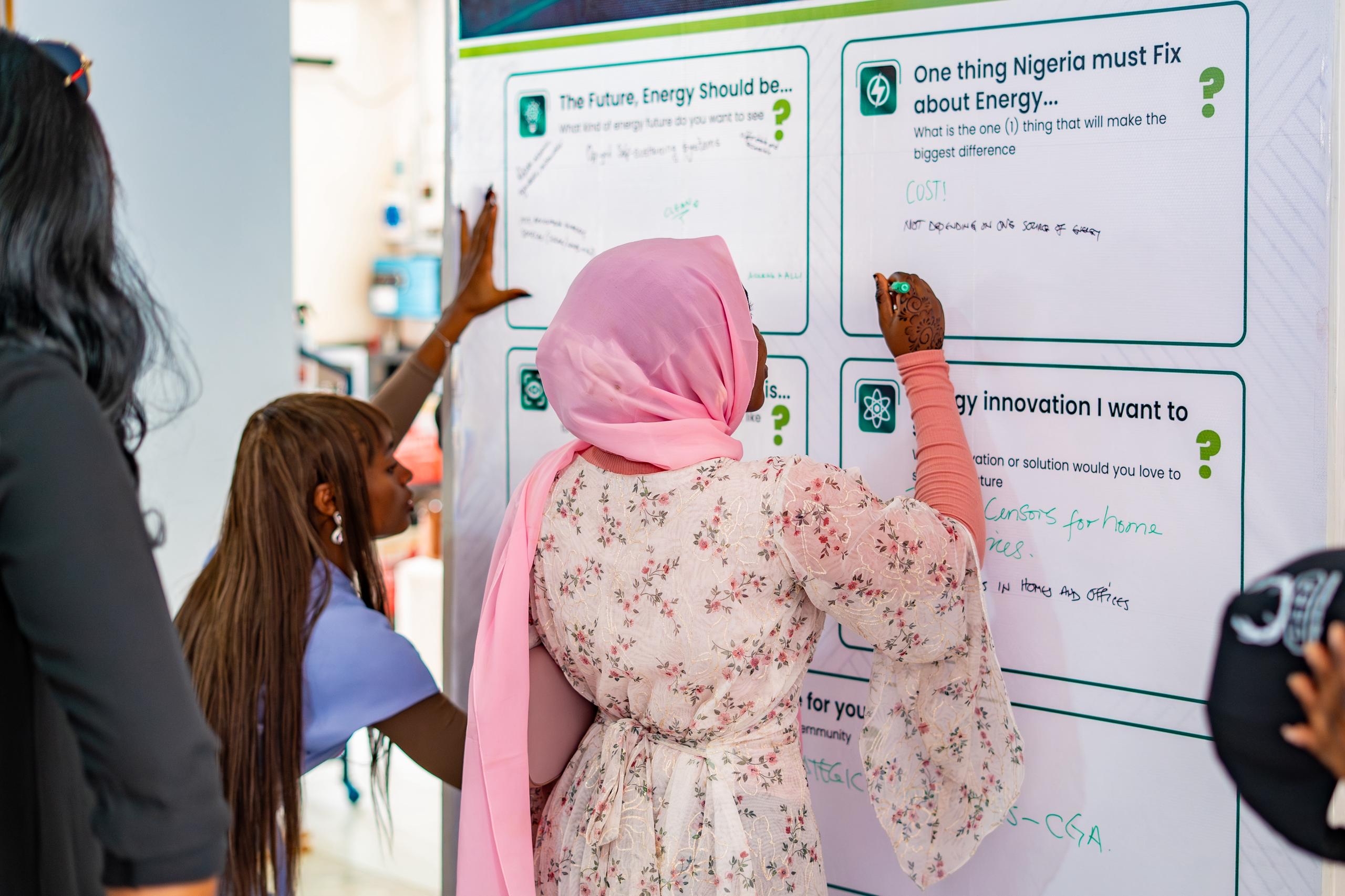
“Nigeria produces over 4.8 billion standard cubic feet of gas daily, and domestic LPG output covers nearly 87% of national demand,” says Abdulmajeed Amussah, Founder and CEO of DEER Nigeria, speaking at DEER Nigeria’s launch event in Abuja in May this year. “The raw supply isn’t the problem. The problem is that the average consumer is forced to manage their energy reactively. And in Nigeria, reactive energy management is a fast way to bleed cash.”
Amussah’s solution is intentionally unconventional. He didn’t build just another on-demand delivery app to haul gas cylinders across Third Mainland Bridge. Instead, he built a predictive engine designed to take the human element out of utility tracking entirely.
The High Cost of the “Reactive Premium”
To understand the unconventional nature of DEER, you have to look at the financial penalty of living defensively. The average urban household doesn’t have an energy strategy; it has a collection of unreliable phone numbers for the “gas guy” and the “diesel plug.”
When you add up the numbers, the structural inflation of 2026 makes this informal arrangement financially brutal:
┌─────────────────────────────────────────────────────────────────────────────┐
│ THE 2026 NIGERIAN HOUSEHOLD ENERGY CRUNCH │
├───────────────────────────────────────────────┬─────────────────────────────┤
│ Energy Commodity │ Market Reality / Cost │
├───────────────────────────────────────────────┼─────────────────────────────┤
│ 12.5kg Cooking Gas (LPG) │ ₦19,652 (Up 15.6% MoM) │
│ Diesel (Automotive Gas Oil) │ ~₦1,963 per Liter │
│ Daily Generator Run (7.5kVA / 8 Hours) │ ₦23,000 – ₦39,000 per Day │
├───────────────────────────────────────────────┼─────────────────────────────┤
│ TRUE MONTHLY ESTIMATED COST │ ₦700,000 – ₦1.2 Million │
└───────────────────────────────────────────────┴─────────────────────────────┘
Data Sources: National Bureau of Statistics (NBS) LPG Price Watch 2026 / GlobalPetrolPrices Diesel Index.
Because households wait for their tanks to hit zero before placing an order, they pay what economists call a “Reactive Premium.” This includes surge delivery fees on weekends, premium rates from vendors because of a sudden fuel scarcity, or buying low-quality, contaminated diesel under emergency duress.
In Abuja, this anxiety is amplified by a different variable: repeated grid failures in the first half of 2026 have left areas like Kubwa and Kuje relying almost exclusively on local, decentralized generation. Whether you are running away from a failing grid or a nonexistent one, you are paying a massive premium just to keep the lights on.
How the Code Replaces the “Gas Guy”
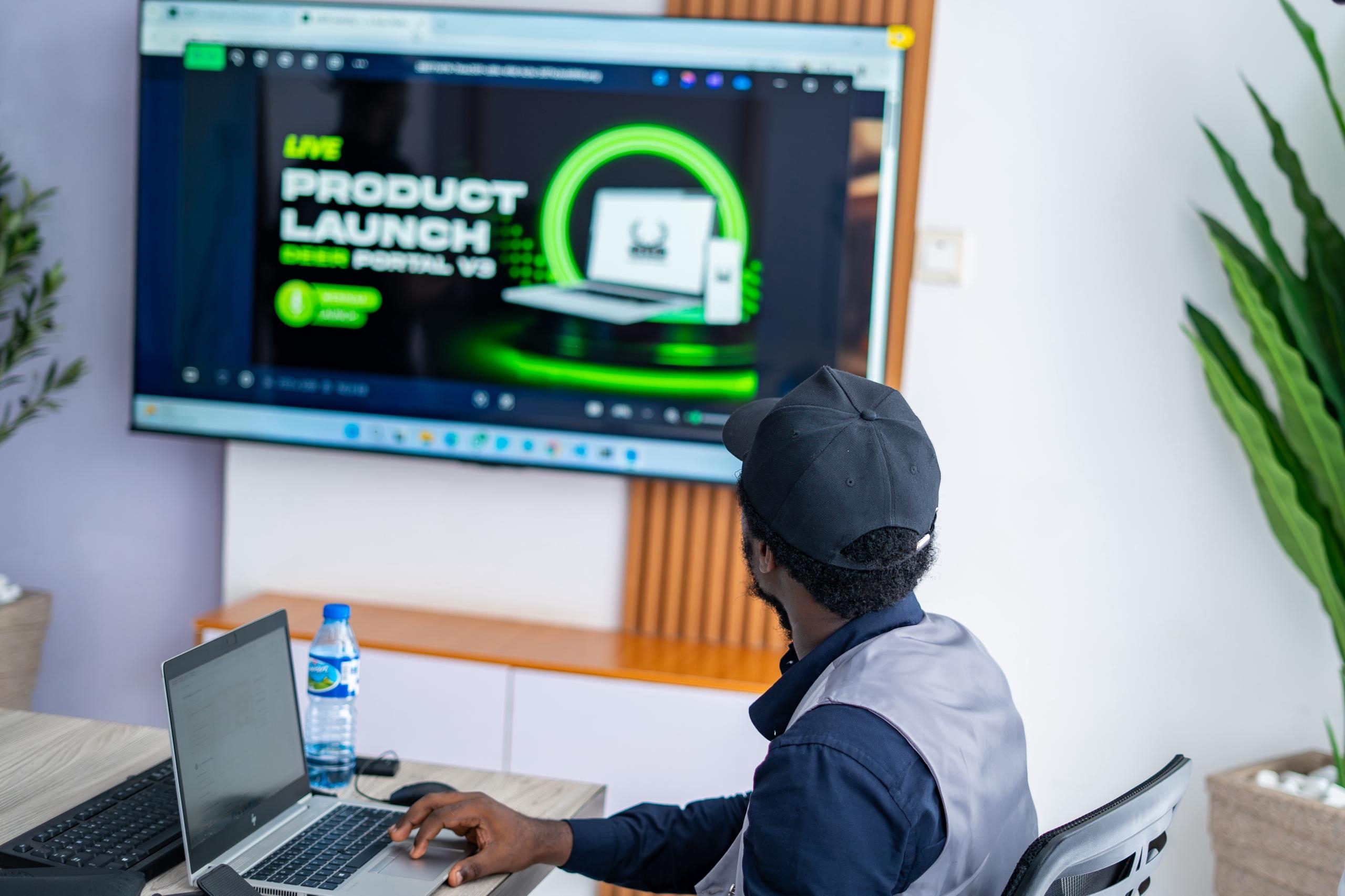
DEER Nigeria’s V3 platform handles this chaos by treating your household like an industrial factory line.
Instead of waiting for you to open the app and type in an order, DEER’s proprietary core monitors your multi-channel utility consumption patterns. By calculating your average cooking frequency, generator capacity, and grid token depletion rates, the platform predicts exactly when your resources are about to bottom out.
It then surfaces an automated restocking prompt before the crisis occurs.
[ DEER AI ENGINE ] ➔ Tracks Consumption ➔ Predicts Depletion ➔ Automates Supply
│
▼
[ RESULTS ] ➔ 0% Downtime + 0% Reactive Premium Costs
“We aren’t trying to build a technology layer that replaces the local vendor,” Amussah points out. “That’s a logistics nightmare that doesn’t scale. Instead, we are a coordination protocol. We pull the existing network of vetted gas distributors and petroleum suppliers into a structured ecosystem where their delivery paths are optimized by our data.”
But the real, out-of-pocket unconventionality is the financial engineering built into the app’s wallet framework:
- The 1-to-100 Rule: Users earn 1 loyalty point for every ₦100 spent across tokens, gas, or diesel.
- The Instant Match: A 5% cash-back credit is instantly applied to wallet top-ups.
For a mid-sized household spending ₦100,000 monthly on combined energy needs, DEER’s automated loop quietly compounds over ₦60,000 back into their pocket annually.

Attacking the Consumption End: The SulNox Integration
Most logistics tech startups stop when the delivery driver drops off the package. DEER went an entirely different route by auditing how the fuel is actually burned.
Through its specialized subsidiary, Fuelonomics Hydrocarbons Innovations Limited, DEER secured the authorized Nigerian distribution rights for SulNoxEco™—a globally recognized, biodegradable fuel emulsifier.
Instead of just helping a Lagos SME order expensive diesel more efficiently, DEER drops a chemical solution into the storage tanks that conditions the hydrocarbon bonds, increasing fuel efficiency by up to 8-12% while radically dropping particulate emissions. For an operations manager watching millions of Naira turn into exhaust smoke every week, that single unconventional intervention shifts energy from a bleeding cost center into a managed variable.
The 2026 Decentralization Wave
The launch of DEER’s V3 platform coincides directly with a historic regulatory shift. Under the current Lagos State Electricity Law framework, the state is actively licensing independent power producers (IPPs) and private mini-grid operators to break the monopoly of traditional DisCos.
As Nigeria moves rapidly toward a completely decentralized, consumer-driven utility market, the households that win will be those that view energy as an integrated ecosystem rather than as separate, frantic purchases.
“Our goal isn’t just to make it easier to buy diesel today,” Amussah says. “It’s about building the operational software layer for the future. Whether you are buying gas, paying for a solar lease, or plugging into a decentralized state mini-grid, DEER is designed to be the single dashboard that controls it all.”
The Trust Tax: Can an Algorithm Displace the Relationship?
The ultimate test for DEER isn’t the code; it’s the deeply rooted culture of the informal market.
The local neighborhood gas vendor has a relationship with the household. He knows which floor they live on, he knows their faces, and he takes cash on delivery. He is inefficient, unchecked, and expensive, but he is familiar.
DEER isn’t fighting other tech companies; it is fighting entrenched consumer behavior. To win, an algorithm can’t just be smart; it has to be unerringly reliable, week after week, until the user completely forgets the anxiety of checking their fuel levels.
The platform is aggressively targeting its next cohort of 2,000 automated households across Lagos and Abuja by the end of the month. It’s an ambitious play in a market that loves to stick to what it knows. But for the leaders, founders, and managers tired of letting their days be derailed by sudden utility emergencies, delegating the chaos to a predictive engine might just be the most rational decision they make all year.
Ready to take your household off the reactive premium cycle?
Join the automated energy revolution today.
👉 Sign up and claim your 5% wallet bonus at deernigeria.com/access ➔