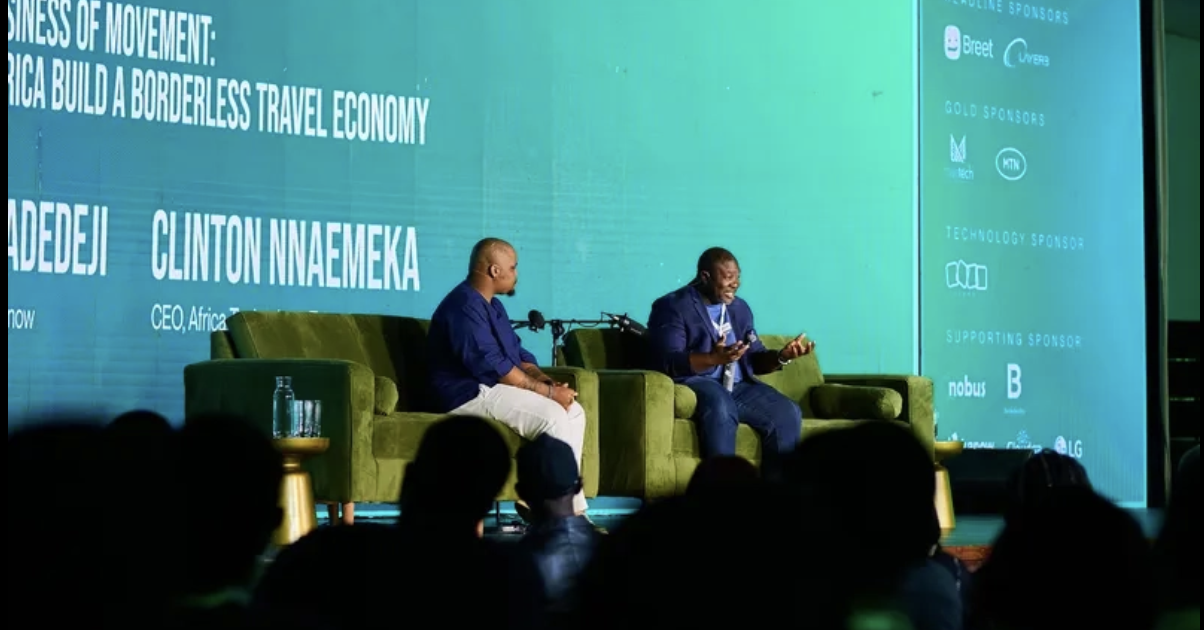
Adebayo Adedeji, Chief Executive Officer at Wakanow, an online travel booking company, believes the mobility sector in Africa needs more attention.
Adedeji shared this view at the Africa Technology Expo (ATE) on Friday, where industry professionals and stakeholders gathered at the National Theatre in Iganmu, Lagos, to discuss the progress of technology on the African continent.
The event, founded by Nnaemeka Clinton, chief executive officer, Spark, outlined how participants in the tech sector could keep building in Africa to drive growth.
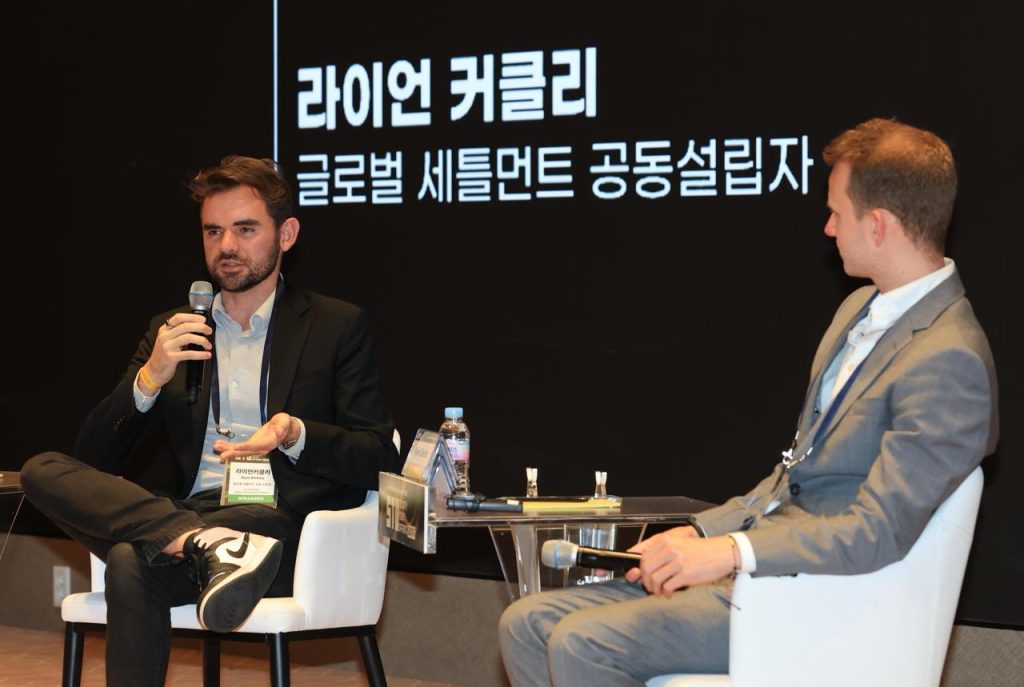
In a panel session titled, “Is there an African future with Smart Cities? ‘Unlikely,’ Says Developers”, Andrew Cary, Co-founder and chief executive officer , SNAAP Transportation, spoke about what breaks when mobility fails.
“What breaks first subtly is [the] quality of life,” Cary stated.
He further explained the need for Africa to not always follow the western model for mobility.
“My view is that Africa will not have to rebuild, but will ultimately become a global leader in the future of smart cities and transportation options.
“Lagos is the [one of the] largest cities in the world. We want to anchor SNAAP here in Lagos, and there’s a million reasons to do it,” Cary said.
Olawale Opayinka, Chief Executive Officer, Makaya Group, echoed Cary’s opinion. He explained that capital is important in Africa.
“We have a lot of resources in Nigeria, but your resources are [just] there unless somebody has the capital to mine it,” Opayinka said.
He shared his thoughts about the state of mobility in Africa, explaining the need for mobility.
“Less than 5% of Nigerians own cars, so mobility is still an issue in terms of providing public transport,” Opayinka stated.
The gap Opayinka described is one Adebayo Adedeji sees as an opening.
During an interview, Adedeji explained the opportunities present in the African mobility sector.
“There’s not enough startups in the world of travel. I think that the future is for more startups to come into travel. I continue to say it is an untapped area across Africa. When you go to a travel conference, 98% of the people there are offline. They sell tickets and tours offline. Nobody is entering that space to digitalise them. That’s the opportunity,” Adedeji said.
But opportunity in mobility, as in most sectors, depends on connectivity, as was echoed in a panel session titled, “We Solved Internet Penetration in Africa. Right?”. Obafemi Banigbe, Chief Executive Officer, T2 Mobile, highlighted three major hindrances to internet connectivity in Nigeria.
“The biggest problems with service quality in Nigeria today can be narrowed down to power, infrastructure mechanism, especially from a fibre point of view, and security. If the country addresses those three, you realise that the technical investment [will have] a little bit more impact,” Banigbe said.
In the same panel session, Peter Olusoji Ogundele, Country Manager and Managing Director, Ericsson, agreed with Banigbe. He urged listeners to utilise available technology in order to make progress with connectivity in Africa.
“The abundance of technology to solve the problem is actually revolving and moving. I believe you need to adapt it, utilise it, [and] conceptualise it,” Ogundele said.
The question of who controls that technology came up in a session titled, “Stop the Data Centers Now!”, Ayotunde Coker, Chief Executive Officer, Open Access Data Center, spoke about the impact of data centres.
“Having our data in control has a very broad implication on the things we get to create and experience,” Coker said.
Across every session at the event, the unifying message was that industry leaders and stakeholders need to double down on building the tech ecosystem in Africa.