In Nigeria, where power cuts are a normal part of life, one institution remains stubbornly committed to this national pastime: the Nigeria National Grid. It’s as though the grid has decided to audition for a Guinness World Record in “Most Frequent System Failures,” with October 2024 already providing enough material for an entire season of collapses. Why, you ask, does the national grid keep collapsing? Well, the reasons are as varied and complex as Lagos’s traffic jams. Let’s explore this tragicomedy.
The Grid needed a nap
First things first, let’s be clear—Nigeria’s power generation is like trying to fill an Olympic-size swimming pool with a teaspoon. The country generates a measly 4,000 to 4,500 megawatts of electricity for a population of around 200 million people. That’s the equivalent of trying to charge your smartphone with a potato, and then wondering why the battery percentage refuses to budge. So, of course, the Nigeria National Grid collapses every time someone so much as flips on an extra light switch in Lagos.
The grid is like an overworked civil servant who’s had one too many tasks thrown at them, except this civil servant is expected to power homes, businesses, and industries across a vast nation. It simply can’t cope with the overwhelming demand. Imagine telling 200 million people, “Sorry, we’ve only got enough power for about 10 of you at any given time.” Naturally, the grid decides it’s better to collapse altogether than to deal with this monumental disappointment. Like an exhausted employee, it just takes an impromptu nap, plunging the country into yet another blackout.
Sabotage or feature? You decide
One theory making the rounds is that the frequent collapses are not accidents at all but rather “features” of the grid. If you’ve ever used software that crashes constantly, you’ll know that developers sometimes claim it’s a “feature, not a bug.” Could it be that Nigeria’s National Grid operates on this very principle? Maybe someone, somewhere in the labyrinth of bureaucracy, has decided that Nigerians don’t deserve/need constant power supply. After all, candlelight dinners are romantic, and who wouldn’t want a bit of nostalgia with kerosene lamps lighting up the living room?
Equipment? What equipment?
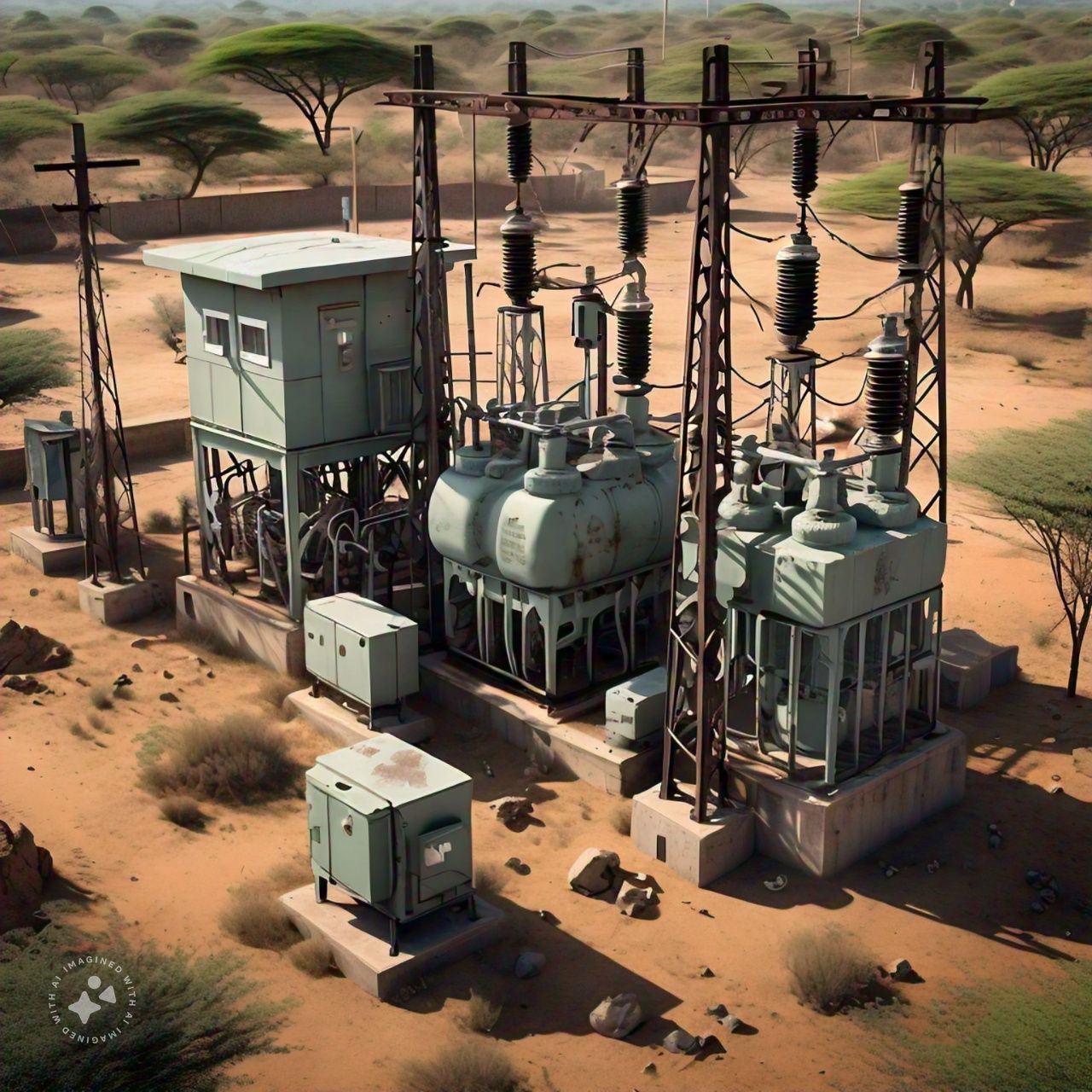
The Nigeria National Grid is only as good as its components, which seem to range from ancient relics to, well, slightly newer ancient relics. If one were to peek into the workings of the grid, one might discover equipment that was installed when colour television was still considered cutting-edge technology. Maintaining such a fragile, outdated system is like trying to keep a 50-year-old car running smoothly on daily long-distance drives. A spark here, a wire there, and poof—darkness. Who needs fancy modernisation when you’ve got history running through your electrical lines?
The ghost of power past
Another culprit in this drama is the mysterious “load imbalance” or, as I prefer to call it, “the ghost of power past.” You see, the Nigeria National Grid is terribly bad at distributing power. Some parts of the country get too much electricity, and others don’t even get enough to boil a kettle. This delicate balance is like playing Jenga with nuclear fuel rods—sooner or later, something’s going to tip over, and down goes the grid.
The blame game: Who needs accountability?
Finally, we must give a nod to the intricate and entertaining game of “Not My Fault.” Every time the grid collapses, there’s an instant chorus of explanations—none of which involve anyone actually taking responsibility. It’s either the fault of the distribution companies, the generating companies, or, of course, the citizens themselves, for expecting power in the first place. The truth? We’ll never know. But rest assured, the Nigeria National Grid will keep collapsing until someone figures it out and there’s a genuine overhaul of the system with unprecedented improvements.
In conclusion, why does the Nigeria National Grid keep collapsing? Because, dear reader, that’s just how it’s designed: with a flair for drama, a touch of incompetence, and a sprinkle of chaos.