
Happy midweek. ☀️️
The Nigerian national grid collapsed for the second time this year, which doesn’t bode well for the 2026 power forecast.
Regardless, let’s get into it.
companies
DSTV wants to stop the bleed
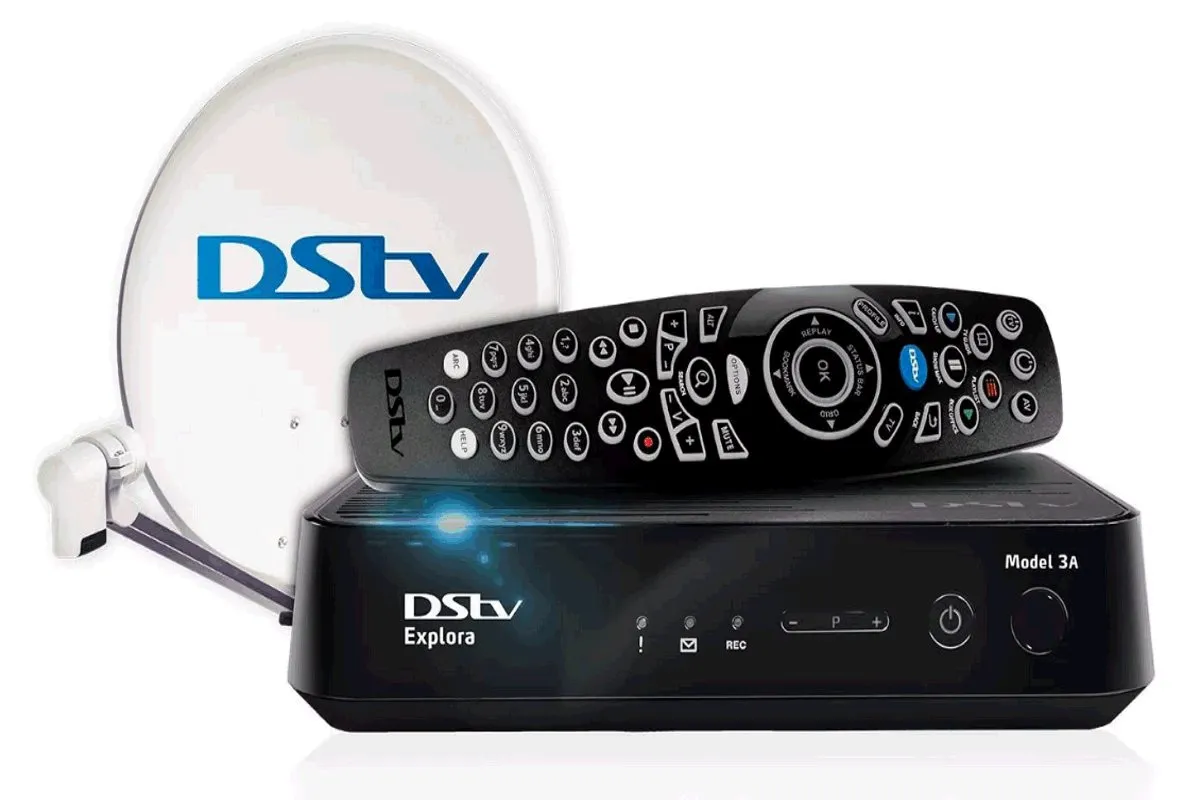
MultiChoice is tired of watching its subscribers walk away. The pay-TV giant has announced deep price cuts on its DStv decoders and a new “bill-splitting” feature to keep households from pulling the plug.
DStv has been bleeding out. It has lost 2.8 million subscribers over the last two years as streaming services, from Netflix to TikTok, eat its lunch. To fight back, the hardware is now officially on sale: the HD Single View decoder has been slashed by 45% to R499 ($31), and the high-end Explora 3B is down to R1,499 ($93). But the real play is in the MyDStv app, which now lets users send a payment link to a roommate or friend to split the monthly bill, legitimising the cost-sharing behaviour that households have been doing manually for years.
Why it matters: By lowering the barrier to entry withcheaper decoders and making it easier to pay, MultiChoice is trying to stabilise a ship that saw an 8% drop in active users last year alone. If anything, this signals a shift: it’s not just about content anymore; it’s about who can make the payment experience as frictionless as possible for a cash-strapped middle class.
This is about more than just South Africa. With Canal+ now controlling the wheels, the integration phase is in full swing. Canal+ plans to merge MultiChoice, Showmax, and their European libraries into a single super app to compete with global giants like Disney+ and Netflix. If the company can’t win on exclusivity alone, it is betting it can win on affordability and local features like billing splits and rewards.


Your 2026 demands disciplined financial operations
Fincra powers the payments infrastructure businesses rely on to collect, pay, and settle across local and major African currencies with confidence. Get started.
policy
Nigeria orders automatic penalties for bad telco service

Nigeria’s Minister of Communications, Innovation and Digital Economy, Bosun Tijani, has ordered the Nigerian Communications Commission (NCC) to implement a 90-day framework that moves telecom regulation from polite warnings to automatic, predictable penalties for network failures.
What’s happening? The 90-day framework is split into three phases of escalating pressure. Within the first 30 days, the NCC must publish quarterly, operator-specific scorecards tracking everything from dropped calls to actual data speeds (versus what’s advertised). By 60 days, the regulator will trigger automatic sanctions, ending the era of negotiated settlements, like the two-year-long interconnect debt saga between MTN and Glo. By day 90, offenders will be asked to submit formal remediation plans, with the NCC authorised to block their expansion approvals if they don’t comply.
This is a response to a sector in crisis. In 2025 alone, MTN recorded 1.62 million customer complaints, largely driven by a historic 9,218 fibre cuts and vandalism at 211 sites. While the 2024 presidential order designating telecom assets as “Critical National Information Infrastructure” was supposed to be a shield, industry data shows disruptions are actually rising. The Minister is now sending a clear signal: operators have to deliver the quality of experience (QoE) Nigerians are paying for.
Relief at last? For years, the NCC preferred amicable mediation over strict enforcement. By mandating a Consumer Experience Index and automatic fines, Tijani is attempting to turn the regulator into a watchdog with teeth. This sets a high bar for regulatory accountability. If it works, Nigeria could move from being a market of volume to a market of value, where uptime is a legal requirement, not a lucky break.
Discover providers and manage logistics in one secure platform.

Logistics Marketplace helps key players in health, post tenders, discover providers & manage logistics in one secure platform. Free, backed by Global Fund & Gates Foundation. Join now with Access Code: WELCOME2026!
fintech
PayPal returns to Nigeria through Paga

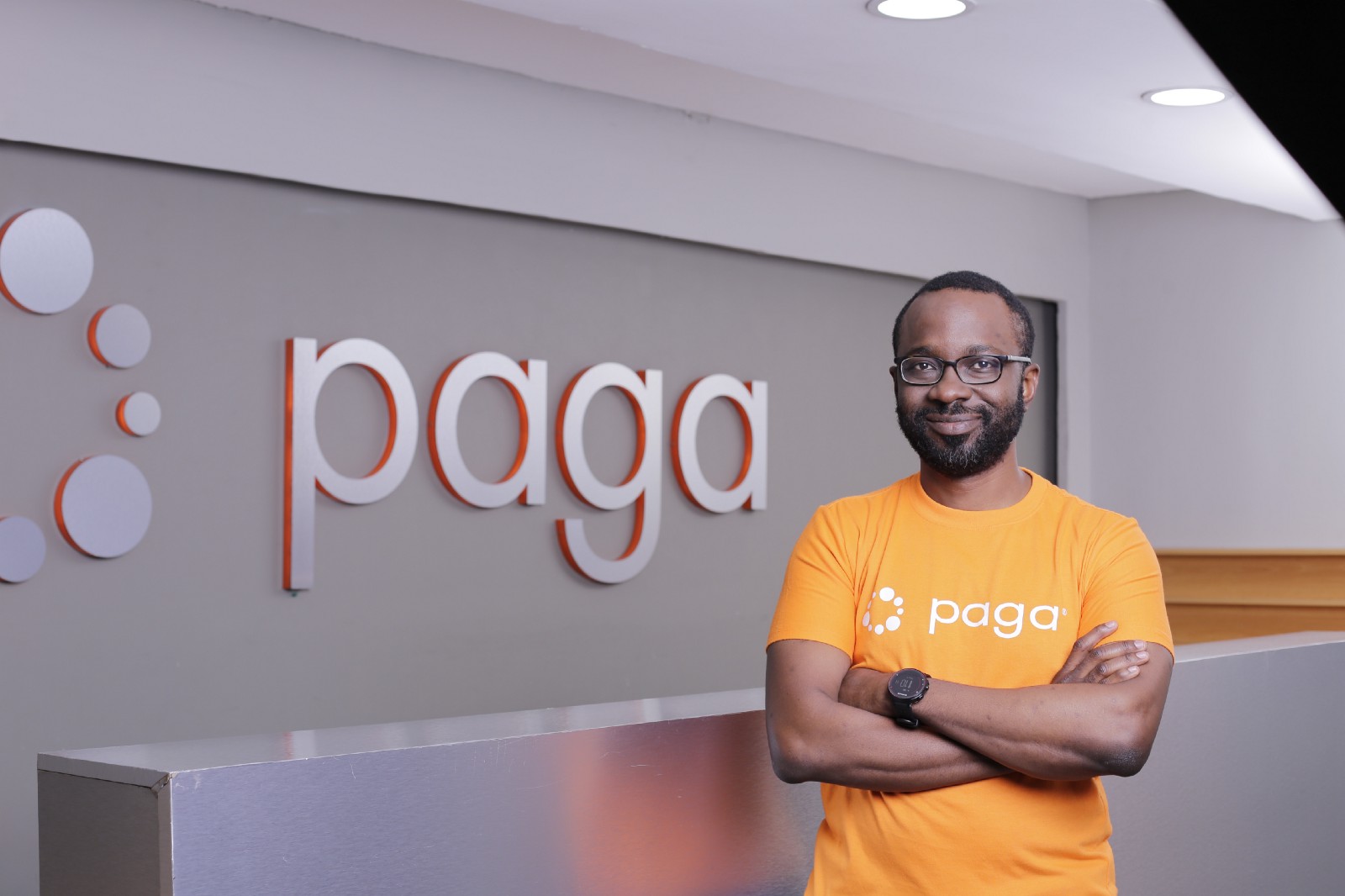
After 20 years, PayPal, the global payments platform, is returning to Nigeria through Nigerian fintech Paga. The partnership allows Nigerians to receive international payments, settle them in Naira, or hold dollars, reopening PayPal’s global network to a market it shut out in 2004.
Why did it leave in the first place? PayPal exited Nigeria’s payments market due to fraud concerns. Later, it attempted to re-enter through First Bank, Nigeria’s oldest bank, in 2014 and through Flutterwave, Africa’s largest payments infrastructure startup, in 2021. These attempts still locked out users, as its First Bank partnership only enabled outbound payments, and its collaboration with Flutterwave focused strictly on businesses.
So, why come back now? Nigeria’s digital payments space is lucrative. Digital payments within Nigeria totalled ₦1.07 quadrillion ($754.08 billion) in 2024, up from ₦600 trillion ($422.85 billion) in 2023. PayPal’s return also follows Nigeria’s removal from the Financial Action Task Force grey list in October 2025, thereby weakening the long-standing fraud argument that global platforms relied on to justify exclusion.
But the reaction to PayPal’s return has been icy. On social media, some Nigerians are telling off PayPal, arguing that the company is only showing up after local fintechs built alternatives, including Paystack, Flutterwave, crypto rails, and informal FX channels. A third camp is sceptical for practical reasons, warning that PayPal’s history of account freezes and fund holds could make access painful, even with a local partner.
Will PayPal prevail? Winning Nigerians back will require more than reopening the door they slammed. PayPal’s advantage is its access to over 400 million global users, interoperability with wallets like Venmo, and routing inflows through Paga, a platform already used locally. If PayPal can make receiving dollars feel as seamless as a local transfer, it stands a chance of reclaiming relevance. If not, it risks becoming just another option that people know exists, but don’t bother to use.
Get clear guidance, support, and reporting tools that work.

Online Violence Has Offline Consequences
Online harm is real harm. Harassment and cyberbullying follow people into their homes, work, and daily lives. We all deserve safer digital spaces. Get clear guidance, support, and reporting tools that work. Visit kuramng.org to get started.
e-commerce
Amazon introduces new feature in South Africa

Amazon has launched a new feature, dubbed Amazon Lens, that would allow South African shoppers to search for products using images, screenshots, or barcodes instead of text. This feature already exists in Amazon’s core markets in the US, Europe, and parts of Asia, but the delayed arrival in South Africa shows how features in newer markets sometimes come later.
What’s happening now is localisation. When Amazon entered South Africa in 2024, it prioritised catalogue depth, logistics, and pricing, which they saw as foundational problems in a new market. Features like visual search typically come after these basics are stabilised.
How it would work: Users can upload an image from their phone or scan a barcode, and then the system uses computer vision to identify the product or visually similar items available on Amazon. When multiple objects appear in an image, they can also draw a circle around a specific item to narrow the search to that product alone. The barcode option pulls up exact product listings that make it easier to compare prices, check availability, or reorder items without typing product names.
Why add it now? Competition. Platforms like Google and competitors like Temu and Shein already use image search in South Africa to power product discovery, which may chip away at Amazon’s market share. Text-first search assumes users know product names. Letting users turn screenshots or in-app photos into product suggestions makes browsing catalogues feel seamless. The e-commerce giant says the new feature fits into its AI strategy of reducing friction, improving product matching, and keeping users inside its app.
Get clarity on tax, regulatory, and compliance requirements

Join regulators and industry experts for a live webinar on E-Invoicing in Nigeria. Get clarity on tax, regulatory, and compliance requirements, see a live demo, and learn how to prepare your business. Register now.
CRYPTO TRACKER
The World Wide Web3
Source:

|
Coin Name |
Current Value |
Day |
Month |
|---|---|---|---|
 Bitcoin Bitcoin |
$88,910 |
+ 0.56% |
– 1.21% |
| Ether |
$2,999 |
+ 2.13% |
– 1.35% |
| BNB |
$898 |
+ 2.40% |
+ 4.47% |
| Solana |
$126.9 |
+ 2.34% |
+ 0.38% |
* Data as of 06.47 AM WAT, January 28, 2026.
Breet runs the crypto layer end-to-end
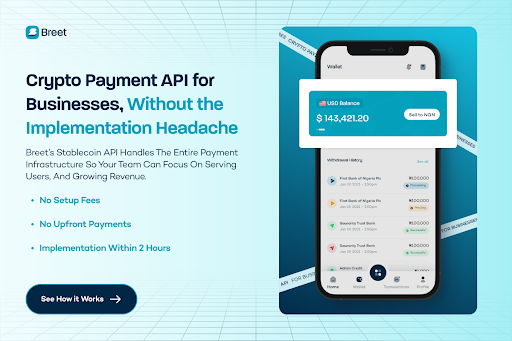
No wallets to manage. No volatility to worry about. Breet runs the crypto layer end-to-end so your team can focus on product, users, and Growth
JOB OPENINGS
- Big Cabal Media — Associate Videographer/Video Editor (full-time); Senior Financial Analyst (full-time); Zikoko Citizen Reporter (full-time); Content Creator (contract); Journalist (contract); Project Associate (contract); Senior Editor (contract); Senior Writer (contract) — Lagos, Nigeria
- Piggyvest — Senior Accounting Associate, Customer Success Intern — Lagos, Nigeria
- Buffer — Senior Engineer, Growth Marketing — Remote
- Moniepoint — Several roles — Remote (Nigeria)
- FirstBank — Business Development Lead, eCommerce & Retail — Lagos, Nigeria
- Wave — Machine Learning Scientist — Nairobi, Kenya
- Pavago — Customer Success Manager — Remote (Kenya)
There are more jobs on TechCabal’s job board. If you have job opportunities to share, please submit them at bit.ly/tcxjobs.

Written by: Zia Yusuf, and Opeyemi Kareem
Edited by: Ganiu Oloruntade
Want more of TechCabal?
Sign up for our insightful newsletters on the business and economy of tech in Africa.
- The Next Wave: futuristic analysis of the business of tech in Africa.
- Francophone Weekly by TechCabal: insider insights and analysis of Francophone’s tech ecosystem
P:S If you’re often missing TC Daily in your inbox, check your Promotions folder and move any edition of TC Daily from “Promotions” to your “Main” or “Primary” folder and TC Daily will always come to you.