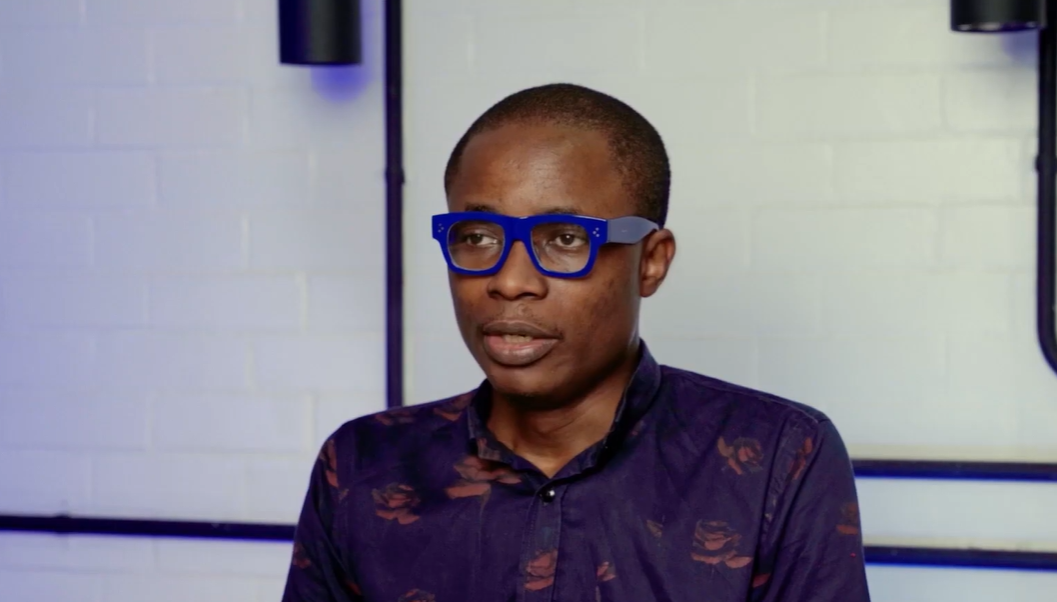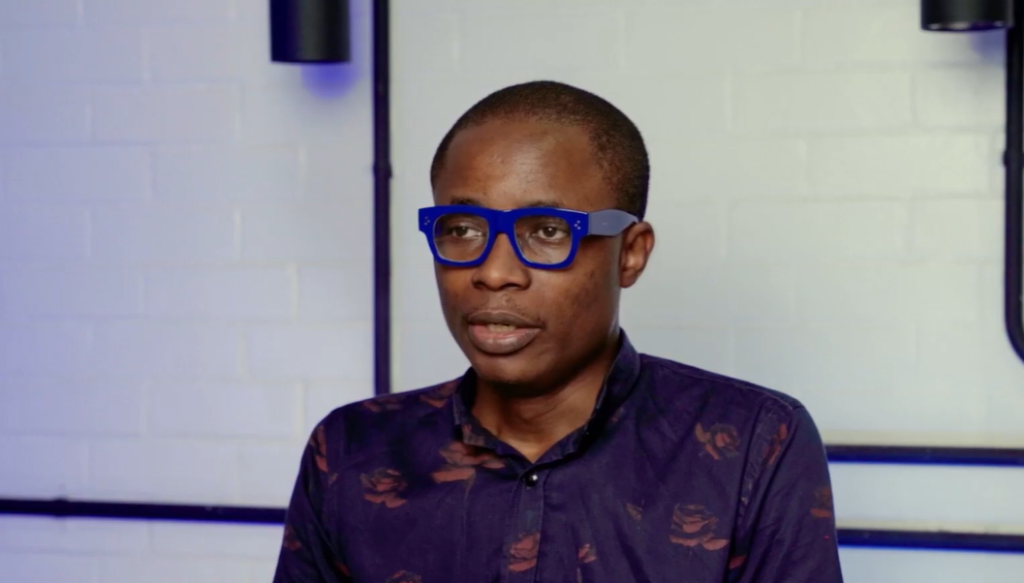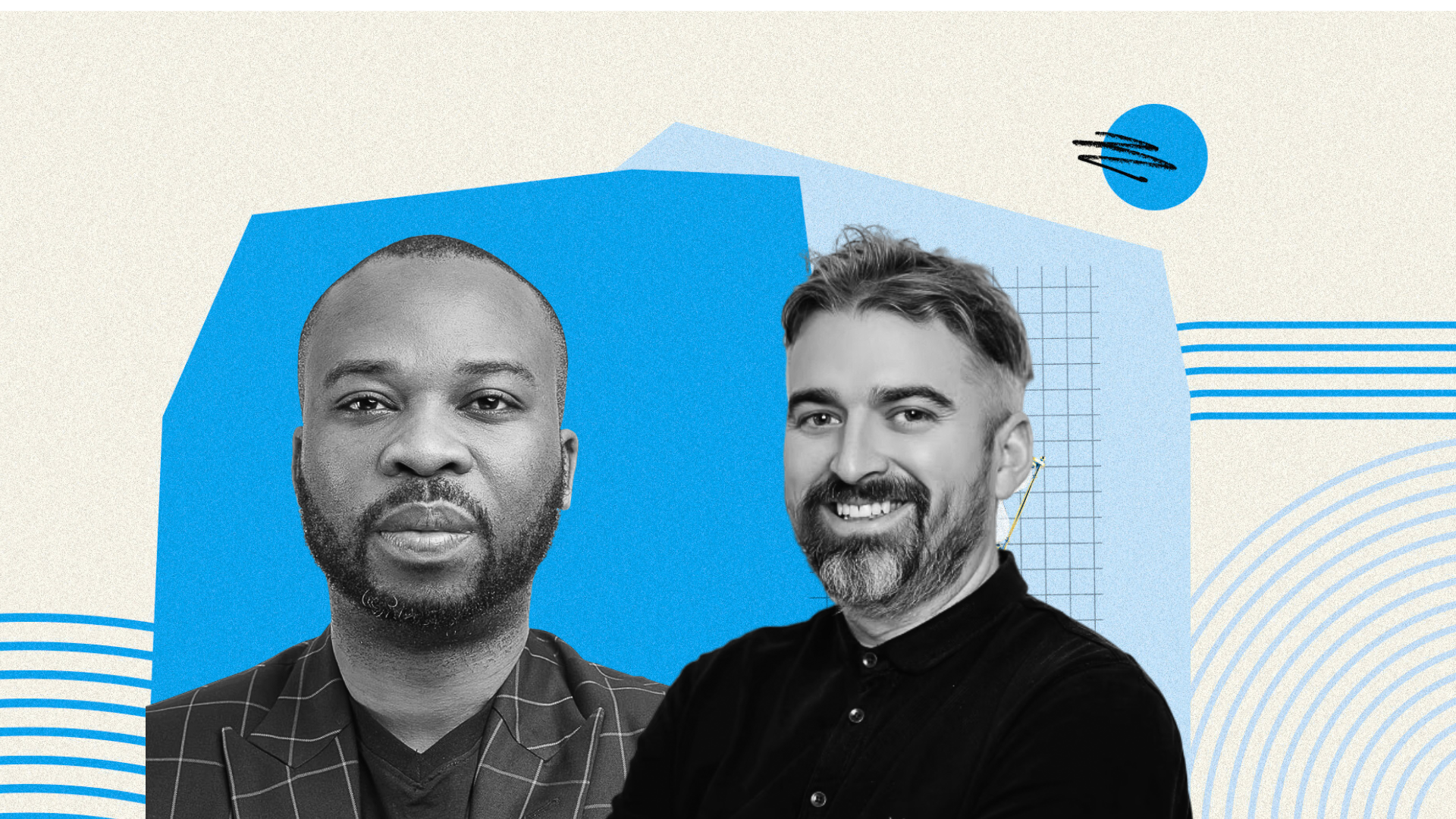
Ask Francis Osifo, co-founder and chief executive officer of Rayda, a fixed-asset and information technology (IT) device lifecycle management platform, where the company began, and he will tell you a story about a laptop.
Osifo was chief technology officer and a co-founder at 54gene, the genomics startup that would later shut down in 2023. The company had hired an employee in Kenya and needed to ship a laptop from Nigeria, he recalled. The device eventually spent nearly two months stuck in customs, and clearing it had become an expensive ordeal for 54gene.
However, the problem that he noticed was bigger than one laptop. He explained that he had no reliable way of knowing what assets 54gene owned. The company’s finance records could show the value of its fixed assets, but they could not tell which employee currently had which company-issued device or whether it had been repaired or reassigned to someone else. As 54gene grew past 200 employees, that knowledge gap had started looking like a structural blind spot.
“I kept going into that rabbit hole of the different parts of the problem, whether it is visibility around the data tracking, the depreciation of the value of those assets over time, or even being able to deal with that entire journey from an employee joining a company to an employee leaving the company,” he told TechCabal in an interview on Tuesday.
Osifo left 54gene in 2022, convinced there had to be a better way to help businesses manage their IT assets.
In January 2023, he launched Rayda, an IT operations platform that helps companies procure, deploy, manage and recover employee devices.
A human resources or IT manager could request a device when a person is hired, and from there, Rayda’s system tracks it through procurement, shipping, storage, repairs, and retrieval when the employee leaves.
The startup has since evolved from an asset management tool into what Osifo describes as an ‘IT command centre for globally distributed teams’.
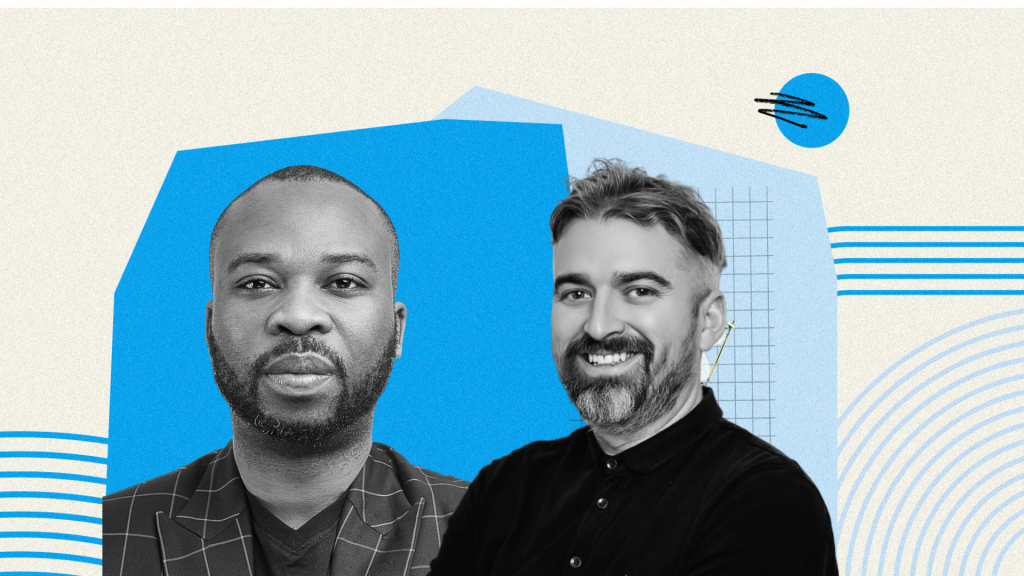
Rayda operates in the device lifecycle management industry, estimated at $4.8 billion. It also operates in the category of startups building infrastructure for workforces that are distributed globally, including Hofy, which was acquired by Firstbase, Workwize, and GroWrk. Dan Duggan joined the company as its cofounder after the pair met via the Y-Combinator co-founder match platform in 2024.
Day 1: Displacing the Excel Sheet
According to Osifo, the first version of Rayda was built to replace spreadsheets and give companies a single place to record their assets.
“We were trying to displace Excel sheets in the place of asset management for growing businesses,” he said.
Rayda’s first customers, Osifo noted, exposed a blind spot. He had assumed that businesses would arrive on the platform with spreadsheets ready to import into the platform. Instead, he found that some of these businesses had no asset register.
“We saw that a lot of the small and medium-sized businesses had a lot of assets, but most of them didn’t have an Excel sheet in the first place,” he said.
Instead of a regular software onboarding process, Rayda found itself sending staff to physically go to customer offices and audit what they owned before onboarding them onto the platform.
Before he launched the product, Osifo noted that he spoke to other founders to validate the answers and received responses that were consistent enough to convince him there was a real business there. He noted that some of those conversations turned to early investments.
He noted that he deliberately kept Rayda’s first raise small, targeting $250,000. The round eventually closed at more than $300,000 before the startup’s public launch in January 2023.
“It made sense for our business, plus raising too much capital early on affects how a startup approaches problems: most problems then seem like a problem to spend money on,” Osifo said. “I think when you raise in the life of a business is as important as how much you raise.”
Day 500: The pivot
By the end of 2023, Rayda had transformed beyond the platform Osifo initially launched.
He explained that customer feedback kept pulling the startup in new directions. Rayda Core remained its central asset management platform, but it was joined by Bidda, which helped companies auction unwanted office equipment; Rayda Track, which monitored devices; and Rayda Remote, a platform that let businesses procure and provide laptops for employees.
“We ended up having almost like three or four other product expansions that we explored,” Osifo said. “Our pitch then was that you could buy, manage, track, and dispose of all types of fixed assets.”
For a while, the strategy held up and reflected Osifo’s initial ambition to build an end-to-end platform. Then 2024 happened.
In 2024, Nigeria’s currency experienced a sharp depreciation, falling by 129.23% and closing the year at ₦1,478.97 ($1.07) per US dollar. This was more than double the exchange rate from the previous year’s ₦645 ($0.47). This made businesses more cautious with spending. The consequences of macroeconomic issues forced Rayda to change the trajectory of its business.
“We were always going to go global, but we were initially trying to own a significant market share in Africa before we thought about being global,” he said. “2024 forced us to change the business.”
He explained that the company needed a new lever of growth and began experimenting with international expansion by exploring which parts of its product suite would resonate beyond Africa.
“We weren’t really sure what was going to finally stick,” Osifo said.
The answer came from a company in the United Kingdom, which he did not disclose, that had employees in Nigeria. Osifo explained that the company presented with the same problem he had noticed while at 54gene: it was taking them too long to get a laptop to a new hire in Nigeria. He explained that Rayda’s Remote platform solved the problem for the company.
He explained that development on the other products paused upon seeing the volume that one customer generated from using its Remote platform.
In the three months that followed, Osifo explained that the team rebuilt the platform in close partnership with that one UK customer and began supporting their Kenyan and South African operations.
“At the end of 2024, even with that single customer, we had done more revenue than we’d done in all of 2023,” he said.
Rayda rebuilt its entire website and messaging to reflect that it had moved from selling an asset management platform to building infrastructure for companies hiring across borders.
Day 1000: Building the IT command centre
Within months of rebuilding around Remote, Rayda began expanding beyond Nigeria, relying on a network of authorised partners rather than physical offices to support customers across markets, according to Osifo. Today, the startup supports IT device procurement and lifecycle management in more than 170 countries, serving mostly US and European companies with globally distributed teams, Osifo said.
“I think 2025 was the year we perfected our core layer of the business,” he said. “We knew how to make that scale, we built the scale, and built the operational capability across multiple countries.”
He noted that in that time, Rayda grew its team to 25 people and became profitable. Osifo explained that Rayda’s new chapter is defined by exploring how artificial intelligence can automate more of the day-to-day work IT teams handle, according to him.
When Rayda launched, it wanted to help businesses keep track of their assets. Three years later, it wants to manage everything that happens between an employee joining a company and leaving it.
True scale demands moving beyond surface-level integrations to robust execution. We’ve filtered the noise out of Moonshot 2026, optimising the conference strictly for high-calibre connections between startup founders, global financial operators, enterprise leaders and individuals rewiring Africa’s technical frameworks. Get 20% off Early Bird tickets for a limited time.