For the past decade, African startups have raced to prove themselves on the global stage. Funding rounds made headlines, valuations soared, and products multiplied across fintech, e-commerce, healthtech, and logistics. But in the rush to grow, one element has consistently been treated as an afterthought: design discipline.
Design isn’t decoration. It determines whether a first-time user can sign up without confusion, whether they feel safe completing a transaction, and whether they trust the product enough to return. Without design discipline, the structured practice of putting user needs at the center of product development; adoption stalls, retention drops, and companies bleed money fixing problems that could have been prevented.
Across the ecosystem, the pattern repeats. Startups launch with big marketing campaigns, only for users to abandon apps after one frustrating experience. Fintechs lose customers at onboarding. Healthtech platforms struggle with unclear consent flows. Even government-backed projects, built with millions in contracts, face pushback because people don’t understand how to use them.
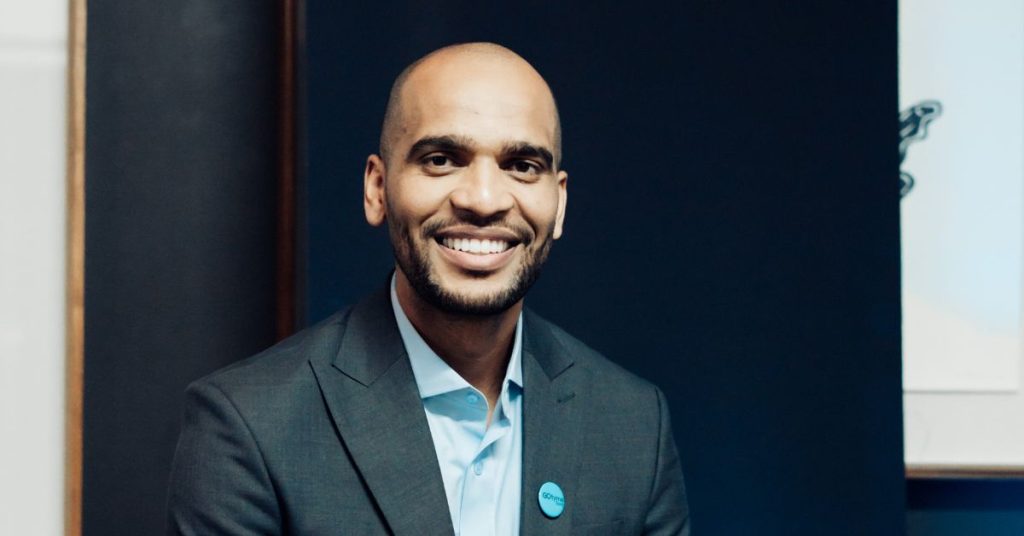
Obinna Ezeofor, VP and Lead UX/UI Designer at DexterCyberLab, has watched this unfold up close. Having worked on fintech platforms and government ERP systems, he argues that design failures are not accidents, they’re structural. “You can’t bolt on trust,” he says. “It has to be designed from day one.”
Failure is rarely about ambition. African founders are among the most resourceful in the world, building products in markets with unreliable infrastructure, fragmented payments, and fast-changing regulations. But when design discipline is missing, those efforts collapse under their own weight. Too many teams only bring in design after launch, when usability problems are harder, costlier, and sometimes impossible to fix. “I’ve been in rooms where the product is already live, but the team is just starting to ask: how do users actually navigate this?” Obinna recalls.
The impact is measurable. In fintech,studies show poor onboarding design often exceeds 60%, users abandon apps when KYC flows are confusing or error messages are vague. In enterprise systems, employees resist adoption when dashboards feel unintuitive, leading to wasted investments and stalled rollouts. Without a clear process for embedding user needs, products fall into what Obinna calls the “launch-and-hope cycle.”
This cycle isn’t unique to Nigeria. Across African markets, startups pour energy into fundraising and feature-building, but too little into understanding user behavior. The result is the same: downloads without retention, contracts without adoption, and hype without staying power.
Lessons from the field: what design discipline looks like
So how can startups break out of the launch-and-hope cycle? For Obinna, the answer is a disciplined approach to design, drawn from years of building both consumer-facing apps and enterprise platforms.
1. Focus on the critical path. Every product has one flow that matters most — making a payment, signing up, submitting a form. Prototype that path first. If users can’t complete it with ease, nothing else matters.
2. Reveal complexity gradually. Users quit when they feel overwhelmed. Progressive disclosure, breaking tasks into smaller steps, lowers friction and increases completion rates.
3. Make security visible. Trust grows when people see clear confirmations, consent prompts, and recovery options. “You don’t build confidence with jargon,” Obinna notes. “You build it with clarity.”
4. Design for recovery. Errors are inevitable. What matters is how quickly users bounce back. Friendly error messages, retry buttons, or instant support access can turn frustration into loyalty.
5. Measure real behavior. Vanity metrics like downloads hide problems. Completion rates, error recovery, and repeat usage reveal whether people actually trust and rely on the product.
These practices, Obinna stresses, aren’t expensive. They require discipline; testing early, listening to users, and building trust deliberately. “You don’t need a big design department to start,” he says. “You just need the humility to put users first.”
The urgency to change
The bigger question is whether African startups can adapt quickly enough. Funding cycles are tightening, competition is global, and users are demanding more from digital products. Margins for error are shrinking.
Yet Obinna sees opportunity. Because many teams are still young, they can embed design discipline before bad habits harden. Investors can also play a role: by pushing founders to report adoption and retention, not just downloads, they can reshape incentives across the ecosystem.
The lesson, he argues, is urgent but clear. Design discipline is not a luxury; it’s survival. And the startups that embrace it today will be the ones users still trust tomorrow.