For the seventh consecutive year, the Big Four (Egypt, Kenya, Nigeria, and South Africa) pulled in over 80% of all venture capital deployed across Africa in 2025, a share that has barely moved since 2019.
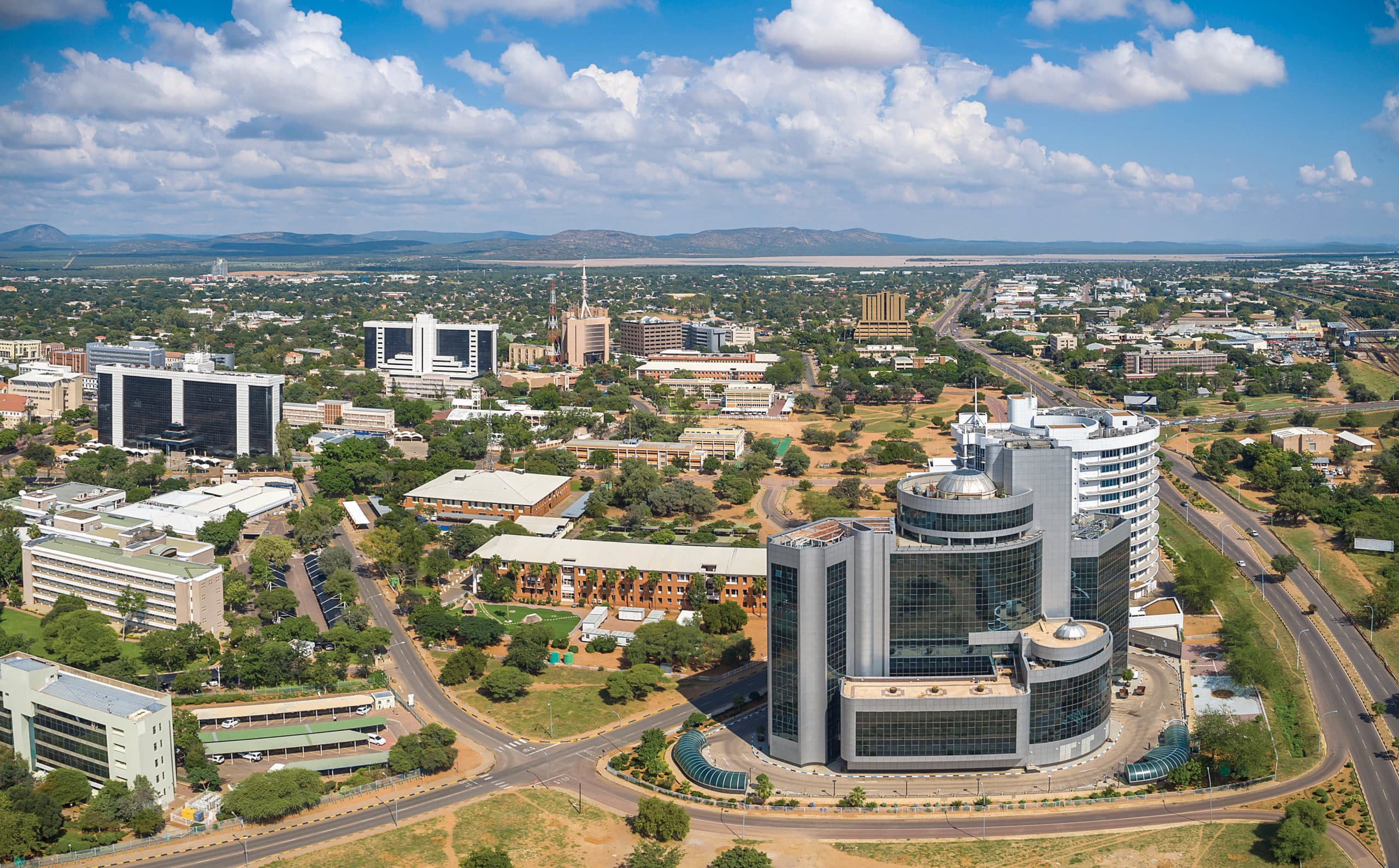
But last year, South Africa alone took 19% of the total, and 29% of all African equity funding, making it the largest equity market on the continent. Beyond Johannesburg and Cape Town, the rest of Southern Africa, like Gaborone, Lusaka, Windhoek, Maputo, Luanda and Harare, captured almost nothing.
For exits, the gap is even wider, as nearly half of the 138 venture-backed exits tracked by the African Private Capital Association across Africa between 2019 and 2024 were in South Africa. The country’s deep and more liquid capital markets, established secondary structures, and concentration of strategic acquirers have made it the default exit jurisdiction for the continent.
As a result, founders building elsewhere in Southern Africa often look to South Africa when seeking capital or planning an exit. Botswana Tech Fund, a new fund anchored out of Guernsey, a self-governing British Crown dependency in the English Channel, is trying to change that.
Backed by Stephen Lansdown, the British billionaire who co-founded Hargreaves Lansdown, the FTSE 100 financial services firm, and who has invested in Botswana since 2007 through his Tuli Conservation Trust, the fund has £10 million ($13.5 million) in committed capital, with a first close of £5 million ($6.7 million). It is operationally based in Botswana and run in partnership with Launch Africa, the pan-African seed-stage VC firm with over 130 portfolio startups.
Martin Davis, the fund’s co-founder, is a UK technology investor and entrepreneur who also chairs Bethnal Green Ventures, a London-based social impact accelerator that has run programmes for 15 years. His co-lead, Florence Bavanandan, is head of platform and operations at Launch Africa, where she helped build the fund’s portfolio support infrastructure.
Together, they have designed a multi-stage strategy with three legs: a pre-seed accelerator that will deploy £100,000 ($135,000) cheques to roughly 100 Southern African-based companies over five years; primary growth-stage investments of £500,000 ($670,000) to £2 million ($2.7 million); and secondaries that buy out early-stage VCs from already-developed companies in the bigger African markets.
The geographic focus is what makes the fund unusual. Most African VCs follow the well-known capital concentration map in Lagos, Nairobi, Cairo, and Cape Town. Botswana Tech Fund is built around what Davis and Bavanandan call the “digital gap”: the Southern African markets that get less than a fifth of the continent’s funding despite collectively housing tens of millions of consumers and a younger, increasingly digital population.
Their bet is that closing the gap requires capital deployed at the source, not routed through Johannesburg or filtered through Big Four ecosystems where most of the deal flow already lives.

Become a TC Insider for free to finish this story.
Sign in to read the full story and stay ahead of Africa's tech ecosystem.