



Good morning.☀️
Over a month ago, school children in Oyo State, Nigeria, were kidnapped. This was another incident in the spate of kidnappings in the country. At TechCabal, we sought to answer a question that most Nigerians asked themselves. The NIN-SIM linkage was touted to help with identification and locating the people who had linked their SIMs. Why weren’t security agencies able to track these elements?
—Zia
Get smarter about Francophone Africa with our newsletter, Francophone Weekly—the startups, tech policies, and institutions building the pipelines for ecosystem growth.

fintech
Djamo wants to be Francophone West Africa’s bank

In Côte d’Ivoire, 44% of adults have no formal financial account. Yet Djamo, a fintech that offers bank-backed credit cards, mobile loans, and current accounts, says it now serves two million users, which shows the demand for digital financial services in the market.
The Ivorian fintech, founded in 2020 by Hassan Bourgi and Régis Bamba, provides bank-backed payment cards, current accounts, credit, and remittance services in a region where mobile money is common but broader financial products remain scarce. It is now seeking to raise $40 million in a Series C round to deepen its presence across Francophone West Africa, according to South African publication ITWeb.
At that level, it would become one of the few homegrown African fintechs to reach that scale, joining the likes of Wave and Flutterwave.
Why Francophone West Africa and not anywhere else? The short answer is that Djamo has found success in that market. Since its launch, Djamo has grown into one of Francophone West Africa’s most important fintechs, serving more than two million customers.
According to funding tracker Dealroom, its valuation now hovers between $100 million and $500 million, although it is likely to land toward the upper end of that range. In April 2025, Djamo raised a record $17 million equity round, the largest ever for an Ivorian startup, surpassing its own $14 million Series A in 2022. Now, the fintech appears determined to outdo itself.
Big fish, small fry: Côte d’Ivoire’s financial inclusion rate rose from 41% in 2017 to 58% in 2024, leaving a large share of adults without formal financial services. Mobile money solved the first problem: moving money. Djamo is betting that the next opportunity lies in everything that comes after, including savings, credit, international payments, and remittances.
That ambition is also drawing the fintech startup to opportunities in vertical markets existing within that ideology, rather than expanding into other regions where it has to re-learn how fintech and payments work.
What the $40 million is for: The new capital will help the company strengthen its position in Côte d’Ivoire, expand further in Senegal and across the West African Economic Monetary Union (WAEMU) region, comprising a total of eight markets, and build products for three customer groups: young consumers who want international payment cards, SMEs making cross-border payments, and the diaspora sending money home.
Is someone sweating? Wave still dominates everyday mobile money across Francophone West Africa, but Djamo isn’t trying to replace it. It’s trying to become what customers graduate to once they need more than a wallet. That’s where the real competition begins.
Zoom out: Djamo is also discussing a stablecoin sandbox with Côte d’Ivoire’s central bank for cross-border payments. The fintech believes that’s where African fintech is heading: cross-border money movement, stablecoin settlement, diaspora finance, and digital banking. The difference is that Djamo is proving that those trends don’t belong only to English-speaking Africa anymore.


Modern Rails for Africa’s Economy: How Fincra is helping businesses collect, pay out, convert, and settle across African markets. Read more here.
companies
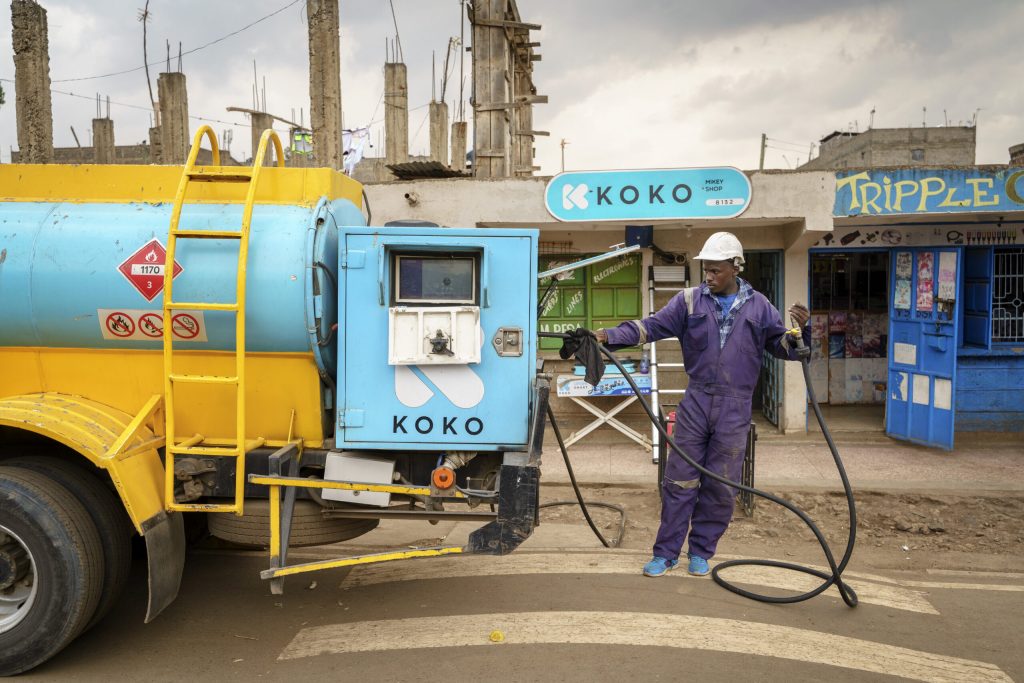
Koko Networks is entering its final chapter

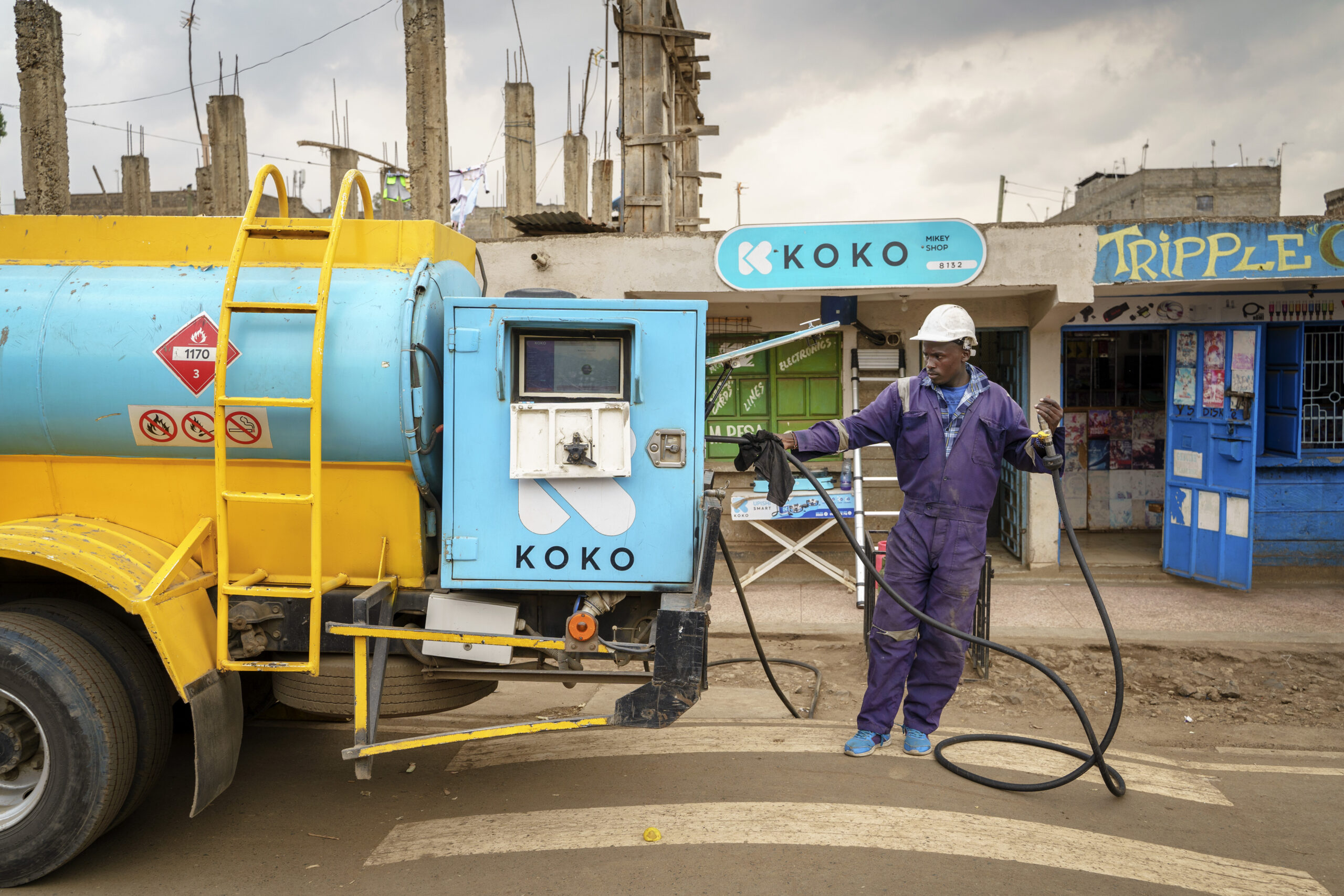
In January, Kenya’s clean-cooking startup Koko Networks shocked the ecosystem when it shut down, leaving more than 700 employees without jobs. Now, it looks like the moving trucks have arrived to take it apart.
The final goodbye: Administrators, professionals appointed to take control of a company after it becomes insolvent, have begun looking for buyers for Koko’s business. The people handling Koko’s insolvency want buyers capable of spending more than $15 million, meaning they are not looking for a buyer who wants to take over a few leftover pieces.
Explain like I’m new here: During its years of operation, Koko sold ethanol cooking fuel as a cleaner alternative to charcoal and kerosene, but fuel sales were only part of the business.
The company also relied on carbon credits, tradable certificates earned by projects that reduce greenhouse gas emissions, to help keep its fuel affordable. Selling those credits internationally required a Letter of Authorisation from the Kenyan government. Koko never received one. Without that approval, one of its biggest revenue streams disappeared almost overnight.
What is for sale now? Everything that made Koko what it was. The sale includes its patents, software, hardware designs, smart cooking technology, manufacturing plant in India, and the fuel distribution system that powered more than 3,000 automated fuel stations across Kenya.
Could this create something new? Whoever is buying Koko is buying more than a decade of product development and infrastructure. If the right buyer emerges, Koko’s technology could return under a different name and perhaps a business model that’s less dependent on government approval, which can make or break an entire company.
Naira Life 2026 is here!

The theme for this year’s Naira Life Conference by Zikoko is “All About Wealth.”
Join 2,000+ in Lagos on August 22 for a day of practical money conversations and workshops designed to move you from simply earning an income to building lasting wealth. Get 15% off early bird tickets.
Regulation
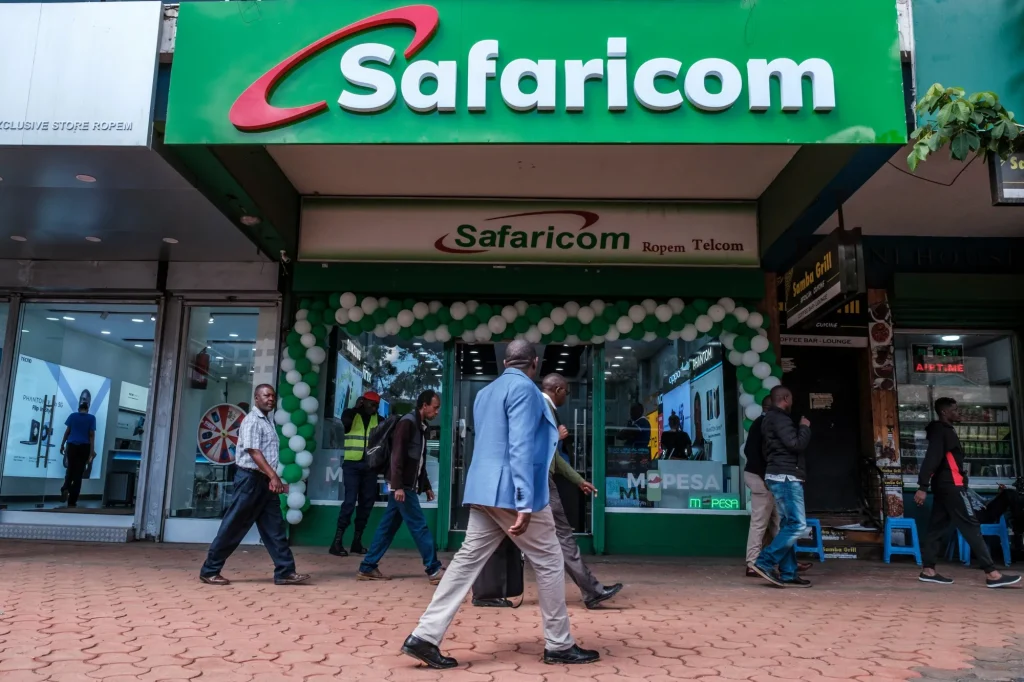
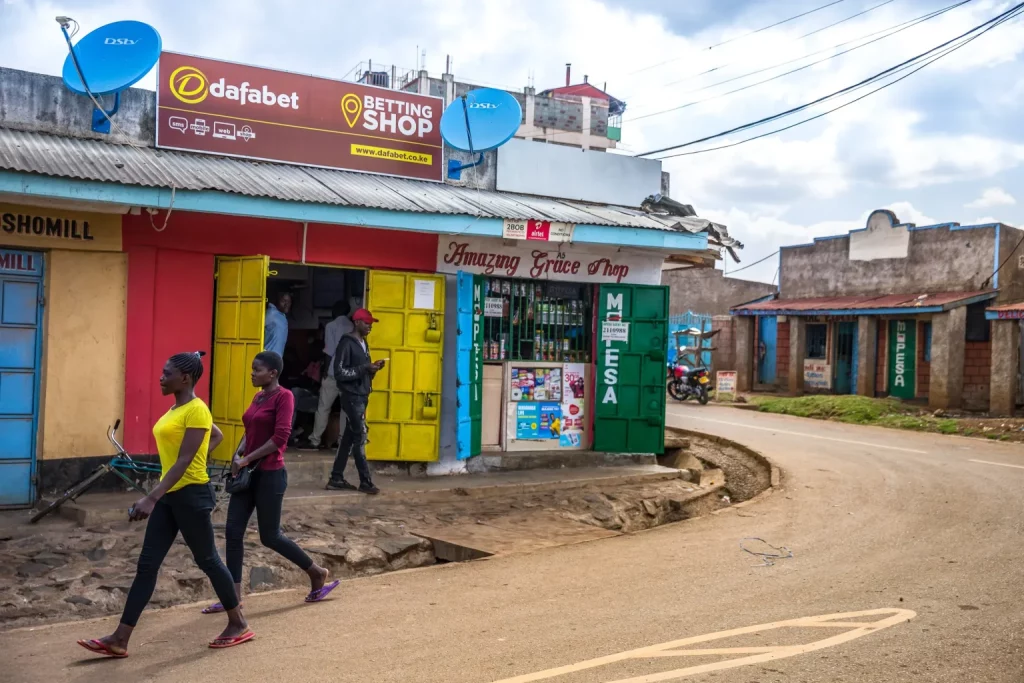
Kenya wants families to help stop betting habits

Imagine waking up one morning to find you can’t log into your betting account because your mum, spouse, or another family member has asked for you to be barred from gambling. That’s the direction Kenya is heading.
The regulator enters the family group chat: Under proposed new rules, family members could ask the Gaming Regulatory Authority of Kenya (GRAK), the country’s gambling regulator, to bar a relative from betting if the habit is causing serious financial hardship or harming the family’s welfare. However, it wouldn’t happen automatically. The gambler would first have an opportunity to respond before the regulator decides whether the exclusion should stand.
There’s more: Betting companies themselves could also suspend customers they believe are gambling beyond their means before referring the case to GRAK for review. The same companies that make more money the more people gamble would now be expected to recognise when a customer may have crossed the line and raise the alarm. Once they suspend an account, they would have 24 hours to notify the regulator.
Why is betting a problem? Kenya’s betting market is fuelled by widespread smartphone use, mobile money, and high youth unemployment, which stood at over 15% in 2025. A 2024 survey by the Central Bank of Kenya found that bettors spent an average of KES 1,825 ($14) monthly on gambling, at the detriment of more critical living expenses such as food and rent.
How would betting platforms know where to draw the line for bettors? Betting platforms know how often people gamble, how much they stake, and whether their betting behaviour suddenly changes. What they don’t know is whether someone can actually afford those bets. They can’t see a customer’s salary, bank balance, debts, or whether this month’s rent has just gone into an accumulator. Unless Kenya eventually gives operators access to financial data, which would raise obvious privacy concerns, they’ll have to rely on behavioural patterns rather than a person’s actual finances.
The war against gamblers: Policymakers have spent the past few years trying to curb the industry’s influence through higher taxes on betting firms, taxes on winnings, stricter advertising rules, and tougher oversight.
Zoom out: In November 2025, Kenyan lawmakers even floated a proposal that would divert part of every betting stake into savings or health insurance before a wager could go through. Family intervention marks another shift in approach. Kenya is no longer trying only to tax gambling. It’s trying to stop people from gambling before the damage becomes irreversible.
Showcase Your Brand at Moonshot by TechCabal

Founders. Investors. Policymakers. Enterprise leaders. Moonshot 2026 brings together the people shaping Africa’s technology ecosystem across AI, commerce, climate, enterprise, and culture. Spotlight your brand today.
Internet
Avanti, a UK-based satellite operator, wants to expand its South African operations

London-based satellite operator Avanti Communications has invested more than $800 million in African connectivity and expects Africa to become its largest revenue market. While it has operated in South Africa since 2013 with the licences it needs, Starlink has dominated the country’s telecommunications policy conversation.
Who’s the second player? Avanti isn’t chasing the residential broadband market Starlink wants. Instead, Avanti focuses on three areas: providing mobile backhaul for operators like MTN in rural areas where building terrestrial networks doesn’t make commercial sense, delivering resilient satellite connectivity to enterprise customers such as Spar, and connecting schools. The last has progressed more slowly than expected because securing devices and installation funding is harder than securing connectivity itself.
Explain like I’m new here: Most people know Starlink as the fast, cheap satellite internet from Elon Musk. What fewer people know is that there are different types of satellite internet. Starlink uses Low Earth Orbit (LEO) satellites; close to the planet, fast, low latency, great for consumers. Avanti primarily uses geostationary satellites,sitting 36,000km up, covering enormous areas, and built for reliability over speed. Avanti hasclosed the speed gap significantly, now delivering over 400Mbps, while satellite pricing across the industry hasfallen 60-70% over the past few years. For an enterprise customer or a mobile operator that needs guaranteed coverage across remote sites, geostationary is still the more credible option.
Who wins here: Mobile operators can extend coverage to places where fibre or towers don’t make financial sense. Businesses gain backup connectivity when terrestrial networks fail. Avanti, meanwhile, keeps growing while much of the public conversation remains focused on a competitor that still can’t enter the market.
Zoom out: Avanti has also partnered withEutelsat OneWeb through South African connectivity provider Q-KON to add LEO capability to its existing geostationary network. That means that Avanti can now offer both types of satellite connectivity depending on what the customer needs: a flexibility that gives it options regardless of which satellite technology wins over the next decade. One satellite company is already building its business in South Africa; it’s just not the famous one.
CRYPTO TRACKER
The World Wide Web3
Source:

|
Coin Name |
Current Value |
Day |
Month |
|---|---|---|---|
 Bitcoin Bitcoin |
$62,398 |
– 0.24% |
– 1.59% |
| Ether |
$1,743 |
– 0.38% |
+ 3.07% |
| XRP |
$1.09 |
+ 0.56% |
– 6.51% |
| Solana |
$78.04 |
– 0.38% |
+ 16.14% |
* Data as of 06.49 AM WAT, July 9, 2026.
Events
-
 What happens when investors, visionary founders, policymakers, enterprise leaders, are in the same room? ForgeTech Summit 2026 is bringing together leaders shaping the future of technology, capital, policy, and innovation across Africa and beyond. Designed as a highly curated gathering, ForgeTech creates the environment for meaningful conversations, strategic partnerships, and opportunities that extend well beyond a single day. Request an invitation to attend ForgeTech on July 31.

Written by: Opeyemi Kareem and Zia Yusuf
Edited by: Emmanuel Nwosu & Ganiu Oloruntade
Want more of TechCabal?
Sign up for our insightful newsletters on the business and economy of tech in Africa.
- The Next Wave: futuristic analysis of the business of tech in Africa.
- Francophone Weekly by TechCabal: insider insights and analysis of Francophone’s tech ecosystem
P:S If you’re often missing TC Daily in your inbox, check your Promotions folder and move any edition of TC Daily from “Promotions” to your “Main” or “Primary” folder and TC Daily will always come to you.