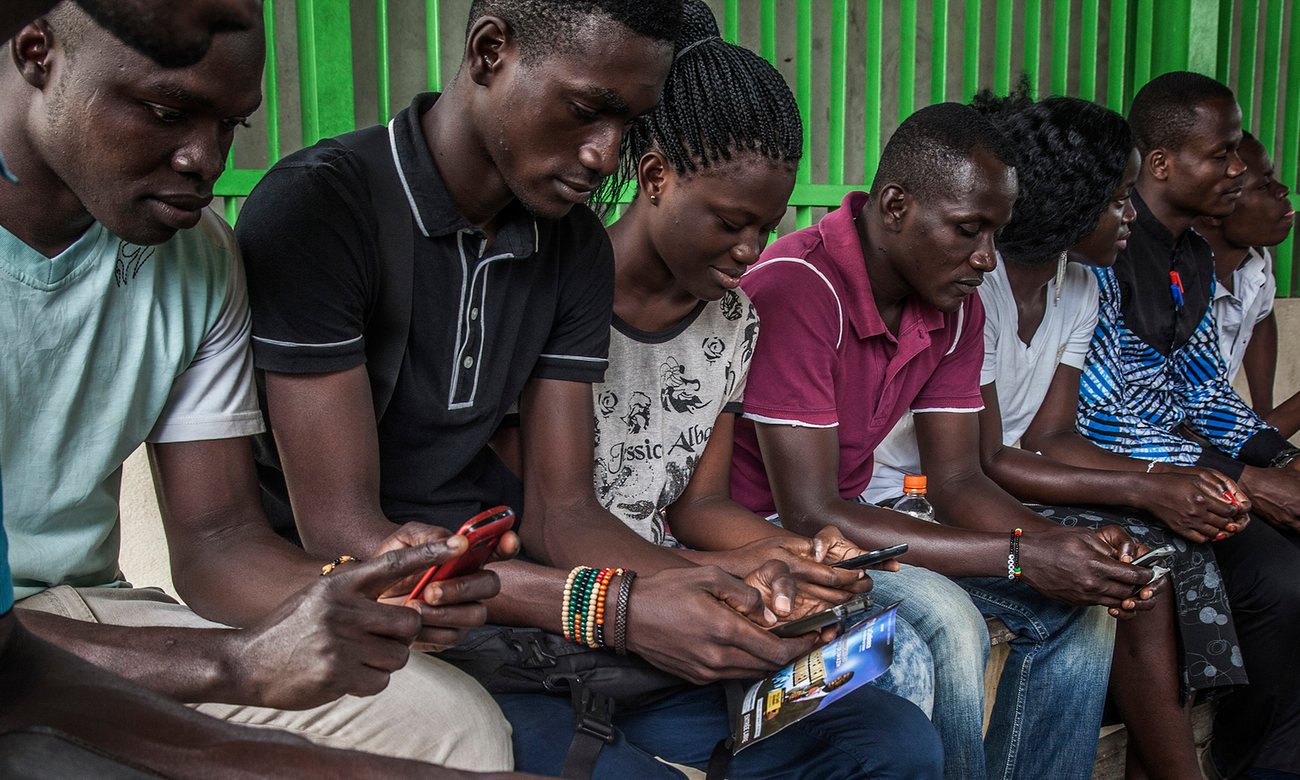
In Africa, the promise of financial inclusion has long been met with an inconvenient reality. Despite over a decade of digital wallets, crypto exchanges, and fintech apps, millions of Africans remain underserved, not because they lack ambition or resources, but because the solutions built for them were never really built for them.
Tochukwu Okoro understood this early. A mechanical engineer turned blockchain developer, Tochukwu spent years building Web3 products across smart contracts and decentralised applications before founding Blocverse, a Lagos-based crypto product studio, in 2020. Through Blocverse, he and his team shipped multiple products, learned hard lessons, and arrived at one insight that would shape everything that followed: users in Africa are not looking for more blockchain tools. They are looking for financial systems that simply work.
That insight became Azza.
The problem with everything else
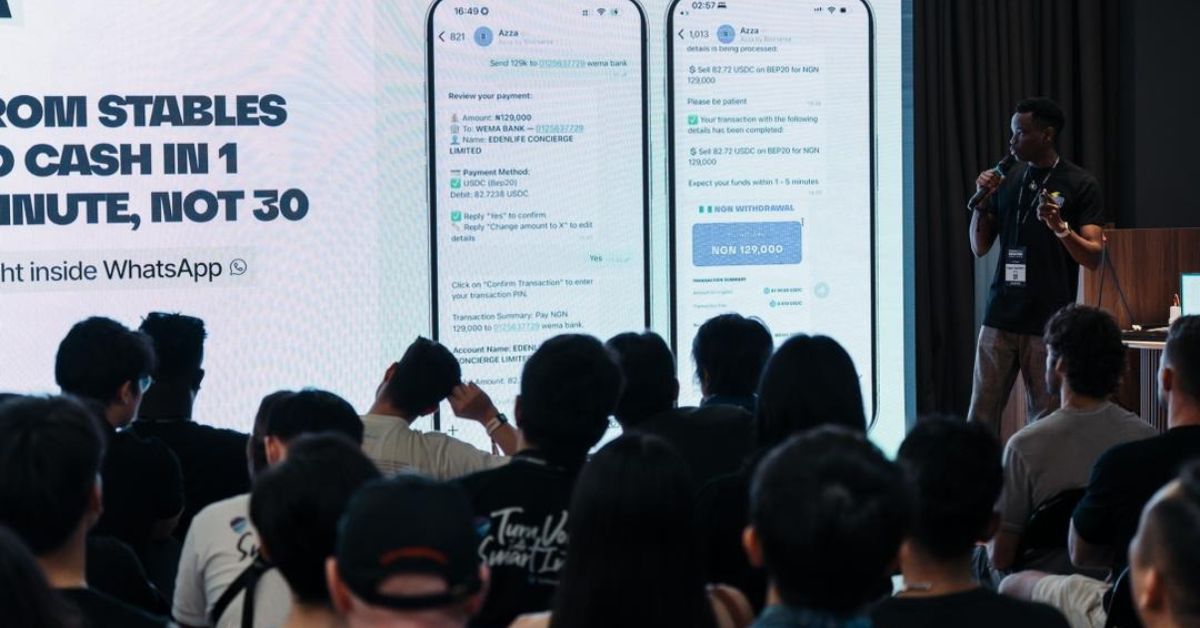
Launched in 2025, Azza is a WhatsApp-native crypto platform that allows users to buy, sell, and spend cryptocurrencies directly within the app they already use every day. No new downloads. No seed phrases. No complicated onboarding flows.
The problems it targets are specific and well-documented. Traditional crypto platforms have failed African users in three consistent ways:
- Complex onboarding that overwhelms first-time users
- Fraud-riddled P2P markets where Nigerians have lost significant funds to scammers and bad vendors
- Limited spending options for users earning in USDT who struggle to pay for global services or access traditional banking channels
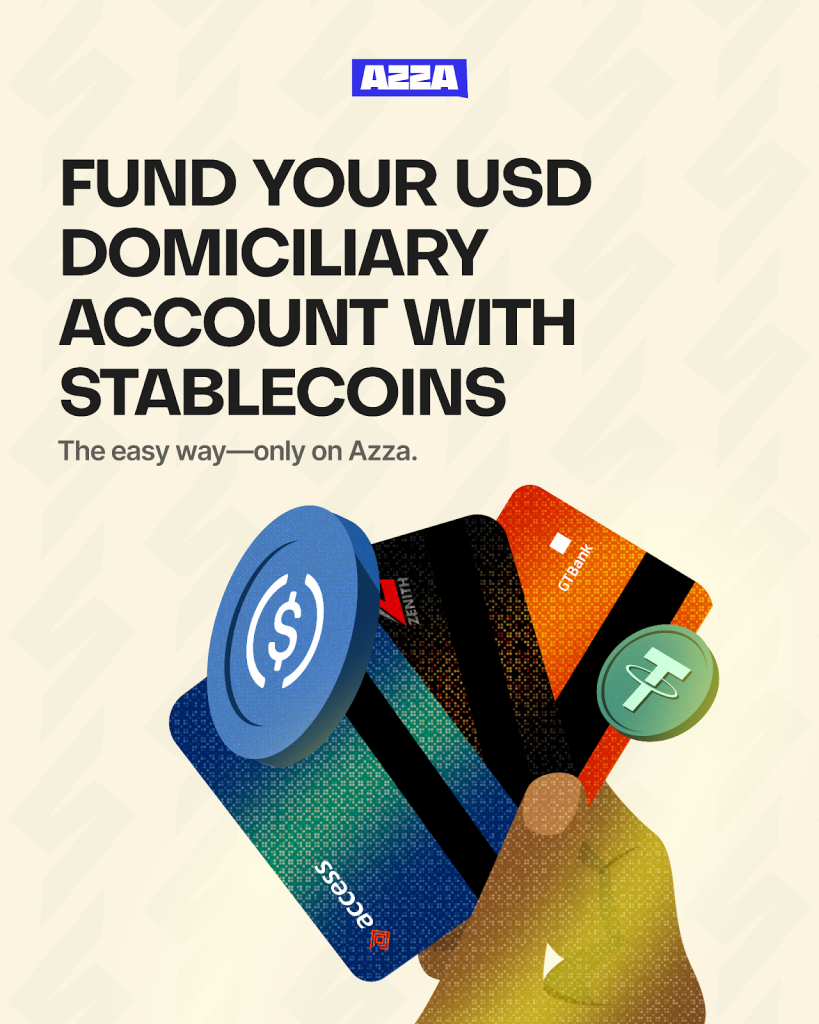
Azza addresses all three. Its most used feature, buying and selling crypto, allows users to transact safely, bypassing risky P2P channels. The latest USDT-to-USD conversion feature now gives users direct access to move money between their crypto wallet and their traditional dollar domiciliary bank accounts, entirely through WhatsApp.
The decision to build on WhatsApp rather than ship a standalone app was not about technical convenience. It was a deliberate behavioural design choice. As the team puts it, the next billion fintech users will not install new apps; they will use platforms they already know. With WhatsApp already embedded in the daily lives of hundreds of millions of Africans, Azza removed one of the biggest barriers to crypto adoption: getting users to show up in the first place.
The infrastructure underneath
What looks like a simple chat interface runs on significant infrastructure and has performed the following since launch:
- Served 12,000+ active users
- Processed 20M+ total transactions
- Facilitated seamless spending and remittance for travellers and freelancers
Azza’s architecture spans 12 blockchain networks, including Base, Solana, Lisk, Ethereum, Polygon, and Tron. Its users range from crypto enthusiasts and freelancers to travellers navigating cross-border payments.
The platform’s real-world utility has extended beyond Nigeria. At DevConnect in Argentina, Nigerian and African attendees were able to spend in local currencies without converting to USD, using Azza as their payment layer in a foreign country.
None of this works without the right partnerships. Collaborations with CNGN enable seamless Naira transactions and stablecoin operations, while blockchain integrations across Solana, Base, and Ethereum give users access to multiple networks without needing to understand the complexity behind them. The result is instant crypto-to-fiat conversion, a capability that was largely absent from the African market before Azza.

More recently, Azza has begun attracting attention from major global players such as Binance and Trust Wallet, as it explores deeper collaborations to expand stablecoin adoption across Africa.
Earlier this year, at the Technova event in Ebonyi State, Azza beta-tested Azza Business, an instant business account feature with integrated USDT wallets. This allows African businesses to accept crypto payments directly and signals that Tochukwu’s vision for Azza extends well beyond consumer trading.
What’s next for Azza?
Beyond Azza, Tochukwu remains active in Nigeria’s broader fintech and blockchain ecosystem, contributing to regulatory and infrastructure conversations through groups like the FinTech Alliance Coordinating Team (FACT) and SiBAN. His longer-term ambition for Azza is to build a stablecoin-powered financial infrastructure, one that allows Africans to store value, move money across borders, and participate in the global economy on their own terms.
That ambition is worth paying attention to. Africa’s fintech space has no shortage of products promising transformation. What Azza has done differently is solve for behaviour first, integrating into existing habits rather than demanding new ones, and building real transaction volume off the back of it.
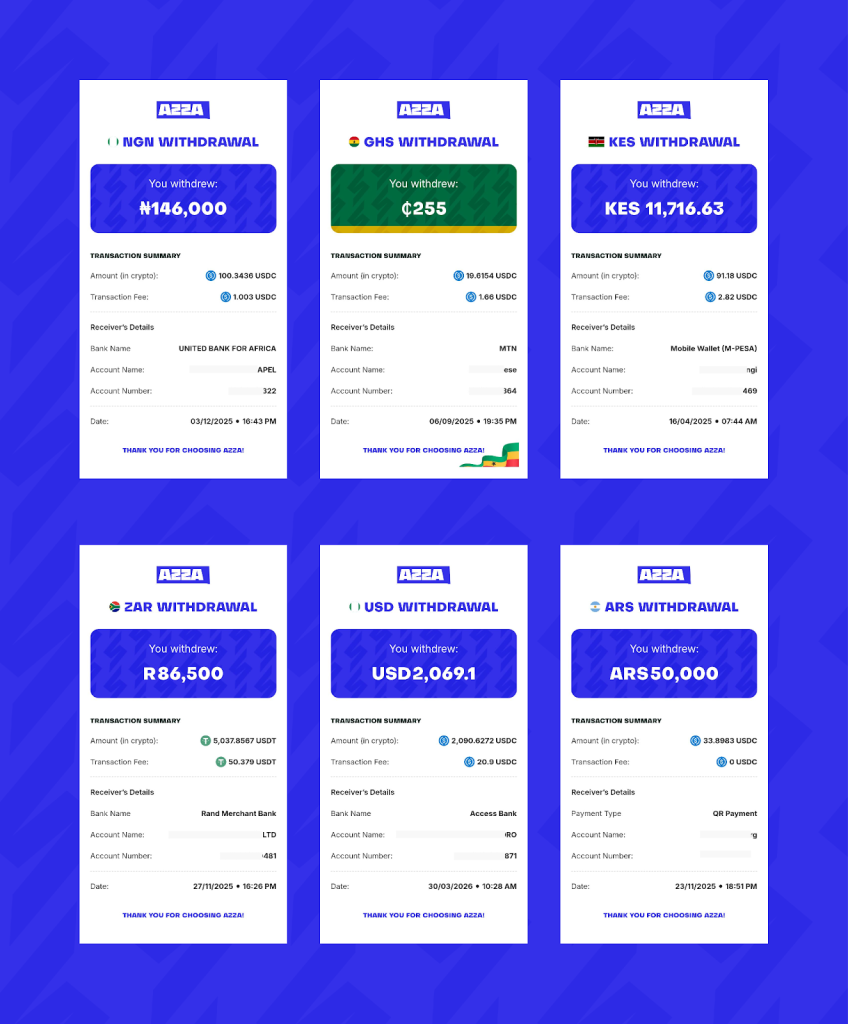
This approach is already expanding beyond Nigeria, with Azza now supporting users across markets including Ghana, Kenya, South Africa, Singapore, and Argentina, solving similar infrastructure problems in a way that adapts to local realities.
Despite facing challenges such as regulatory uncertainty in various African markets and the difficulty of building trust at scale, Azza’s progress in just two years suggests a strong foundation. Its growing user base, blockchain integrations, business-focused features, and strategic partnerships position Blocverse as a company building long-term infrastructure, not just another fintech product.
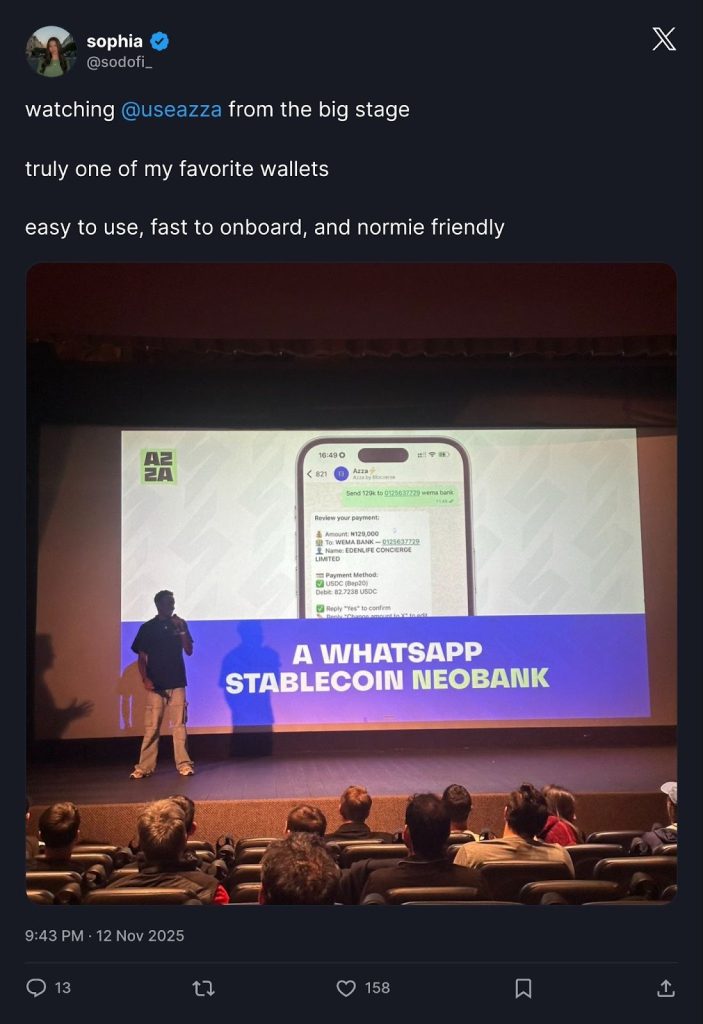
The future of fintech in Africa will depend on platforms that prioritise earning trust over simply gaining attention. Azza presents a compelling argument that this platform could exist inside a chat application like WhatsApp.
Visit www.useazza.com to get started with Azza.