Table of contents
Vivo has been making phones since 2009, but for most of its history, it flew under the radar outside of China and a few Asian markets. That has changed.
In 2026, Vivo is one of the most interesting smartphone brands you can buy from, with a lineup that covers everything from budget workhorses to camera-focused flagships that go head-to-head with Samsung and Apple on image quality.
The X-series is Vivo’s premium line, built around Zeiss-engineered camera systems and large batteries. The V-series sits in the mid-range, offering solid cameras and clean design at prices that are easier to justify. The Y and T series handle the budget and entry-level segments, and in 2026, even those phones are punching above their weight.
One thing that sets Vivo apart this year is battery size. The brand uses silicon-carbon and semi-solid-state battery technology to fit bigger cells into slimmer bodies, and the results show up in real-world use—more on that in the individual phone sections below.
One important note before you read on: Vivo does not officially sell phones in the United States or the United Kingdom. Some phones are sold in the EU, but through limited channels. If you are in Nigeria or elsewhere in Africa, availability comes down to grey-market imports and third-party distributors.
How we picked these Vivo phones
Every phone on this list had to meet the following standards:
- Camera quality. Vivo’s whole pitch is mobile photography. Any phone we recommend has to back that up with a camera system that holds up in practice, not just on paper.
- Battery and charging. A phone should last a full day under normal use. Anything less is not worth recommending in 2026.
- Software support. We only included phones that come with at least three years of Android updates. Phones that ship with outdated software or minimal support commitments were left off.
- Value for money. The price has to make sense for what you are getting. A phone that costs the same as a better alternative was not included.
- Availability. We prioritized phones you can actually get outside of China, or that are confirmed for a global rollout soon. China-only devices are noted clearly.
- Build quality and durability. IP ratings, material quality, and how the phone feels in actual use all factored in.
With those criteria in mind, here are the Vivo phones worth your money in 2026.
1. Vivo X300 Ultra
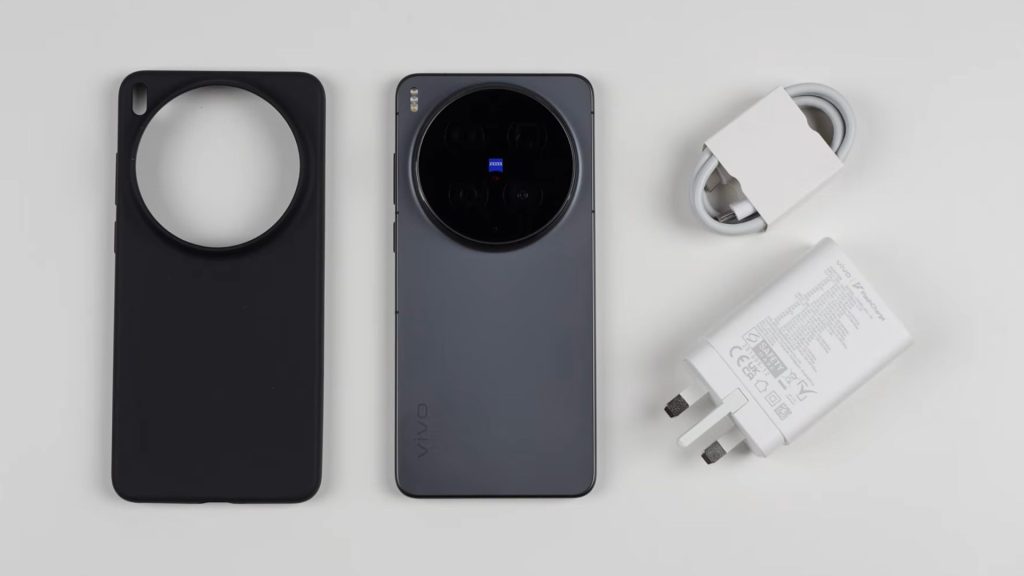
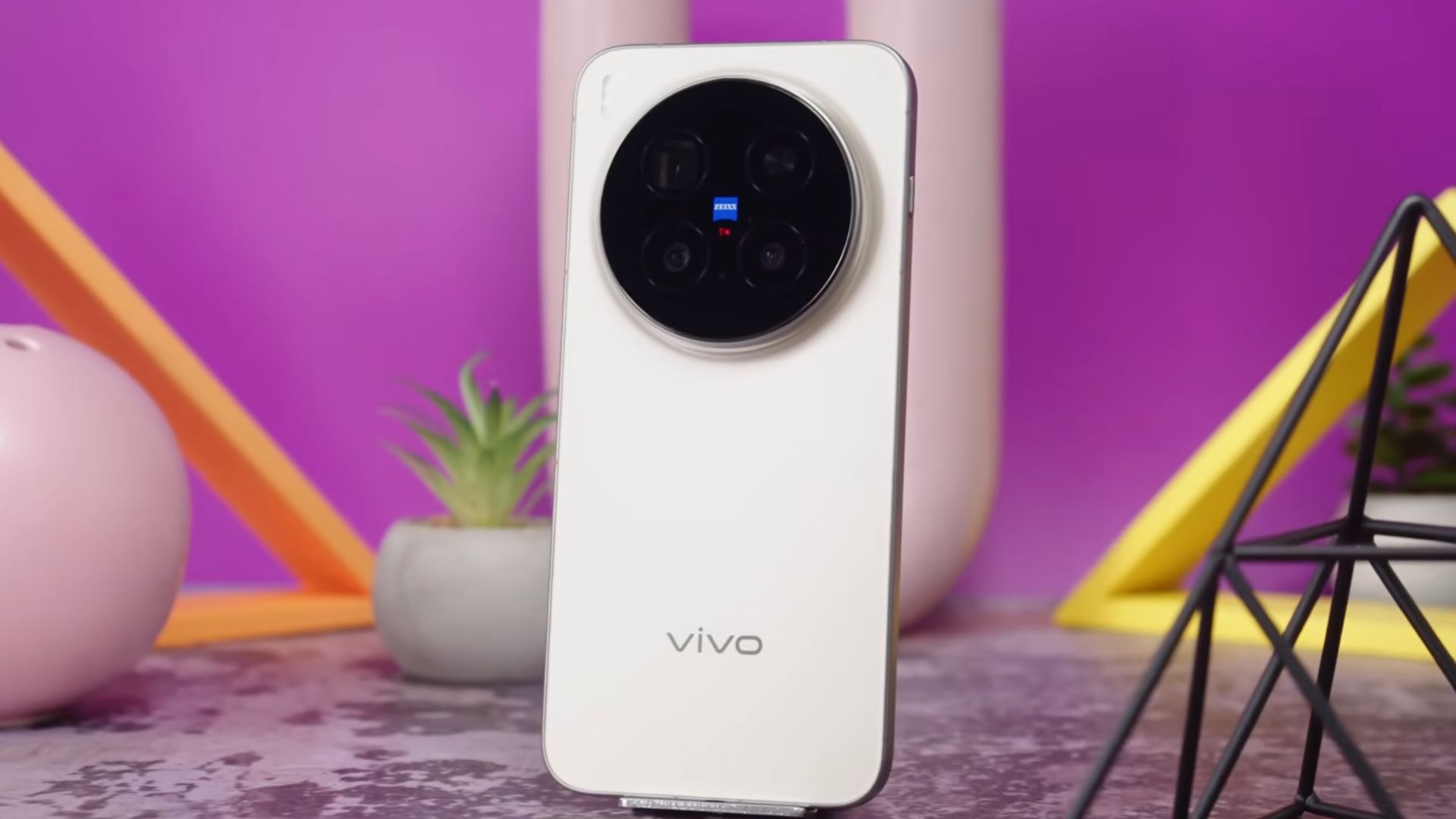
The X300 Ultra is the most ambitious smartphone Vivo has ever made, and in the opinion of tech websites like Android Central and Android Authority, it is the best camera phone of 2026. It launched in China on March 30, 2026, and became the first Vivo Ultra model to get a proper global release, going on sale in Europe, South and Southeast Asia, the Middle East, and Brazil from April 24, 2026.
The camera system is the reason to buy this phone. On the back, you get three lenses, all co-developed with Zeiss:
- A 200MP main camera using Sony’s brand-new LYT-901 sensor (1/1.12-inch), sitting behind a 35mm focal length lens. Most flagship phones use 24mm for their main camera; Vivo chose 35mm here specifically to appeal to street photographers and photojournalists who prefer a slightly tighter, more natural-looking perspective.
- A 200MP periscope telephoto camera using a Samsung HP0 sensor (1/1.4-inch) at 85mm focal length with 3.7x optical zoom. The stabilization is rated at CIPA 7.0, which Vivo calls gimbal-level. PhoneArena ranked this zoom camera as the best it had ever tested at launch.
- A 50MP ultrawide using a Sony LYT-818 sensor (1/1.28-inch) with a 116-degree field of view and optical image stabilization. An ultrawide sensor this large is genuinely rare.
On video, the X300 Ultra records 4K at 120fps in 10-bit Log or Dolby Vision on all three cameras simultaneously. It also supports APV 422 codec recording and is compatible with the ACES professional post-production workflow, putting it in the territory usually reserved for dedicated cameras.
Vivo also sells two optional Zeiss telephoto extender accessories for this phone: a 200mm extender (~$230) and a 400mm extender (~$700). With the 400mm extender and digital cropping, you can reach the equivalent of 1,600mm. That is remarkable for a phone.
Outside the camera:
- Display: 6.82-inch LTPO AMOLED, 1440p resolution, 144Hz refresh rate, up to 4,500 nits of brightness, Dolby Vision, and Armor Glass protection.
- Chipset: Qualcomm Snapdragon 8 Elite Gen 5 (the most powerful mobile chip available in 2026), paired with up to 16GB of RAM and 1TB of storage.
- Battery: 6,600mAh (6,400mAh in Europe) with 100W wired charging (full charge in about 42 minutes), 40W wireless charging, and reverse wireless charging.
- IP68 and IP69 rated for dust and water resistance.
- Runs Android 16 with OriginOS 6, with five major Android updates and seven years of security patches committed.
Pricing: $1,013 (₦1,382,745) in China for the base 12GB/256GB model. $1,699 (₦2,319,135) on Giztop global e-tail. Around $2,345 (₦3,200,925) in Europe for the 1TB model.
Available in: China, India, Indonesia, Thailand, Malaysia, Philippines, Taiwan, Hong Kong, Singapore, Vietnam, Austria, Spain, Poland, Hungary, Czech Republic, Italy, Russia, UAE, Saudi Arabia, and Brazil. Not officially sold in the US, UK, or Germany.
Worth knowing: The phone weighs up to 237 grams and has a large camera module, which affects one-handed use. Android Authority noted it throttles by about 40% under sustained load, which matters if you plan to use it for gaming or extended video recording. Android Central still called it the best phone of 2026 overall despite those trade-offs.
2. Vivo X300 Pro
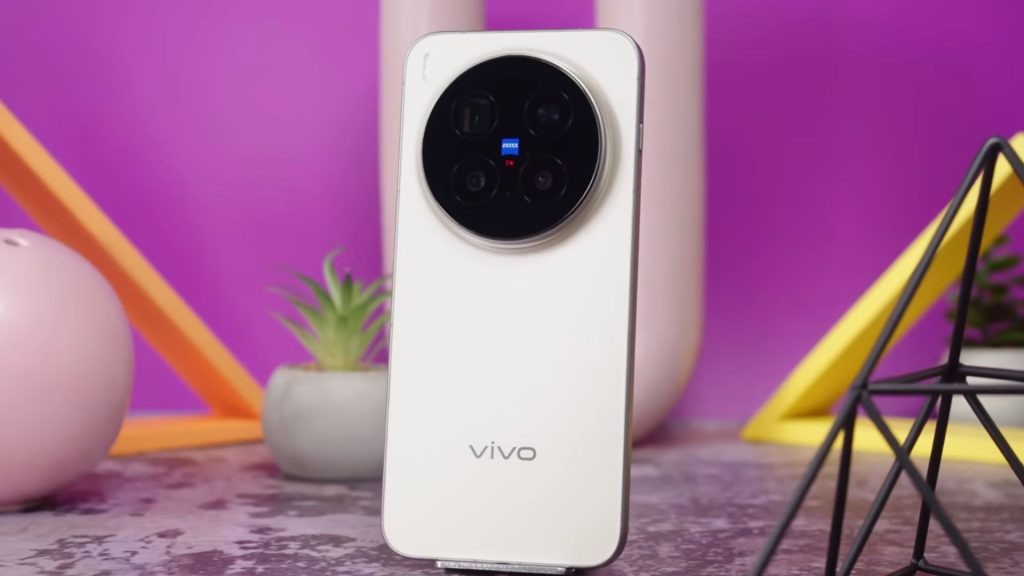
If the X300 Ultra is the phone for photographers who need the best at any cost, the X300 Pro is the phone for everyone else who still wants a great camera. It launched in October 2025 and remains the most relevant Vivo flagship for most buyers in 2026, thanks to a lower price and wider availability than the Ultra.
The camera system on the X300 Pro uses Zeiss optics with T* coating across all lenses:
- A 50MP main camera using a Sony LYT-828 sensor (1/1.28-inch) at 24mm, with gimbal-stabilized OIS rated at 5.5 stops.
- A 200MP periscope telephoto camera using a Samsung ISOCELL HPB sensor (1/1.4-inch) at 85mm with 3.5x optical zoom, OIS, and telemacro capability.
- A 50MP ultrawide using a Samsung S5KJN1 sensor with autofocus.
PhoneArena gave the X300 Pro the best zoom quality score of any phone it tested at launch, and the camera beat the Ultra in certain lab metrics. Amateur Photographer, the world’s oldest weekly photography magazine, called it “a perfect phone the next iPhone needs to beat.” In practical terms, this is a very strong camera for the price.
Everything else on the spec sheet is equally solid:
- Display: 6.78-inch LTPO AMOLED, 1.5K resolution, 120Hz, Dolby Vision, Armor Glass, 4,500 nits peak brightness.
- Chipset: MediaTek Dimensity 9500 (3nm), paired with up to 16GB RAM and 1TB storage.
- Battery: 6,510mAh globally (5,440mAh in the EU), with 90W wired charging (full charge in 31 minutes) and 40W wireless charging.
- IP68 and IP69 rated.
- Android 16 with OriginOS 6, five major Android updates, and seven years of security patches.
- The X300 Pro is now compatible with the Zeiss 200mm Telephoto Extender accessory, which used to be exclusive to Ultra models.
Pricing: $744 (₦1,015,560) in China for 12GB/256GB. Around $1,283 (₦1,751,295) in India. Roughly $1,400-$1,640 in Europe through Amazon DE/ES. Grey-market China imports have sold for as low as $700 on AliExpress.
Available in: China, India, the EU (Spain, Germany via Amazon), Southeast Asia, the Middle East. Not officially sold in the US or UK, though Amazon Germany imports have worked for UK buyers.
Worth knowing: EU models ship with a 5,440mAh battery instead of the global 6,510mAh due to EU import regulations. Notebookcheck flagged about 40% performance throttling under sustained load and described the speakers as thin for the price. Those are real limitations at this price point.
3. Vivo X300

The X300 is Vivo’s answer to the question: what if you want a compact flagship that does not compromise on camera quality? It launched alongside the X300 Pro in October 2025, and GSMArena gave it a 4.5 out of 5, calling it “amazing in both categories” of compact design and camera performance.
This phone runs the same Dimensity 9500 chip as the X300 Pro, but in a 6.31-inch body. The camera setup is different: instead of the Pro’s 50MP Sony main camera, the X300 uses a 200MP Samsung ISOCELL HPB sensor (1/1.4-inch) as its main camera, giving you more flexibility for cropping and detail extraction. The telephoto is a 50MP Sony LYT-602 (1/1.95-inch) Zeiss APO-certified periscope with 3x optical zoom, and the ultrawide is a 50MP unit with autofocus.
Key specs at a glance:
- Display: 6.31-inch LTPO AMOLED, 1.5K resolution, up to 120Hz, 4,500 nits peak brightness, HDR10+.
- Memory: Up to 16GB RAM and 1TB of storage using a dual UFS 4.1 setup, which Vivo claims is an industry first for this form factor.
- Battery: 6,040mAh globally (5,360mAh in the EU), 90W wired charging, 40W wireless charging.
- Front camera: 50MP with autofocus, a significant upgrade over the 32MP fixed-focus unit on the previous X200 Pro mini.
- IP68 and IP69 rated, weighs approximately 190 grams.
- Android 16 with OriginOS 6, five OS updates, and seven years of security patches.
- Compatible with the Zeiss Telephoto Extender, the only phone in this size class that is.
Pricing: €1,049 (~$1,225 / ₦1,672,125) for 12GB/256GB in Europe. Around $886 (₦1,209,390) in India at ₹75,999. Grey-market imports from Trading Shenzhen start around $820 (₦1,119,300).
Available in: Global, including Europe and Asia. Not officially sold in the US or UK.
Worth knowing: The EU battery cut (5,360mAh vs 6,040mAh) applies here too. The phone also runs hot under load, and the speakers are mediocre. Those are the only real weak points on an otherwise strong package.
4. Vivo X300 FE
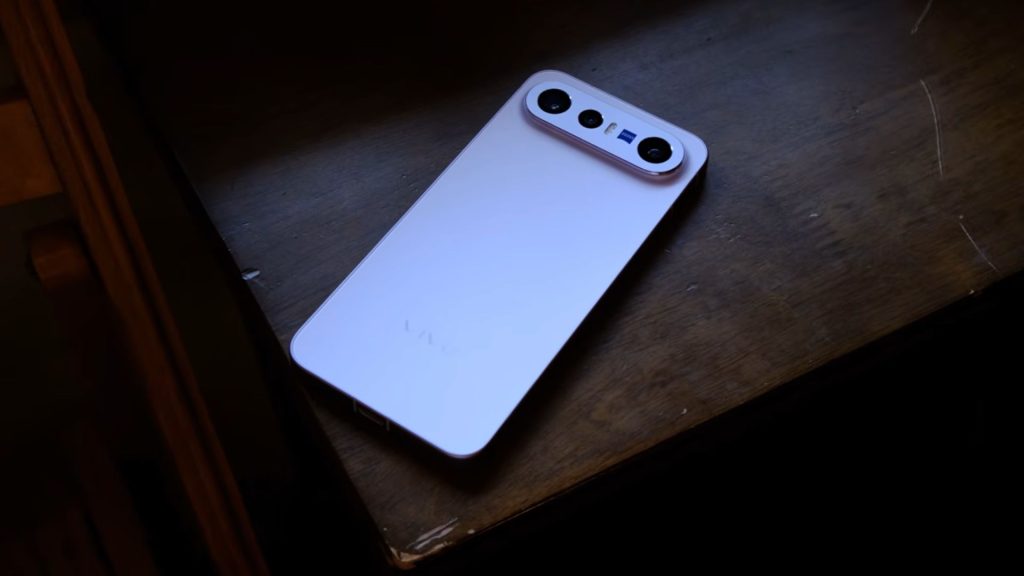
The X300 FE launched in Russia in March 2026, then in Europe on April 29, 2026, at €999. It also hit India from May 6, 2026. It is essentially a rebadged version of the Vivo S50 Pro mini sold in China, repositioned as a compact near-flagship for global markets.
At 150.83mm tall, it is noticeably smaller than every other phone on this list, and it is the only 6.3-inch Android phone in 2026 that combines a 6,500mAh battery with IP69, wireless charging, and a 3x periscope telephoto camera.
- Display: 6.31-inch LTPO AMOLED, 1.5K resolution, 120Hz, 5,000 nits peak brightness, 4320Hz high-frequency PWM dimming (easier on your eyes at low brightness), Gorilla Glass 7i.
- Chipset: Snapdragon 8 Gen 5. Note this is not the 8 Elite variant; it is a step below the X300 Pro and X300 Ultra in raw performance.
- Cameras: 50MP Sony IMX921 main (1/1.56-inch, f/1.57, OIS), 50MP Sony IMX882 periscope telephoto (f/2.65, OIS, 3x optical), 8MP ultrawide. No Zeiss branding or tuning on any of the lenses, which is a step back from the X200 FE and worth noting.
- Battery: 6,500mAh silicon-carbon with 90W wired and 40W wireless charging.
- Weight: around 190 grams. IP68 and IP69 rated.
- Android 16 with OriginOS 6, five OS updates, and seven years of security patches.
- Compatible with the optional Zeiss G2 200mm Telephoto Extender.
Pricing: Around $660-763 (₦900,900-$1,041,195) in Russia. €999 (~$1,170 / ₦1,596,750) in Europe. Expected around $590-675 (₦805,350-₦921,375) in India at launch.
Available in: Russia, Spain, Austria, Hungary, Germany (Amazon), Thailand, Malaysia, Philippines, Hong Kong, Taiwan, Singapore, India, Brazil, Pakistan, Kazakhstan, UAE, and Saudi Arabia.
Worth knowing: In Europe, the X300 FE costs €999 while the X300 starts at €1,049. For €50 more, the X300 gives you a better chipset, Zeiss-tuned cameras, and a larger sensor on the main camera. The FE only makes clear sense if you specifically want a smaller, lighter body or if the X300 is not available in your market.
5. Vivo V70 Elite
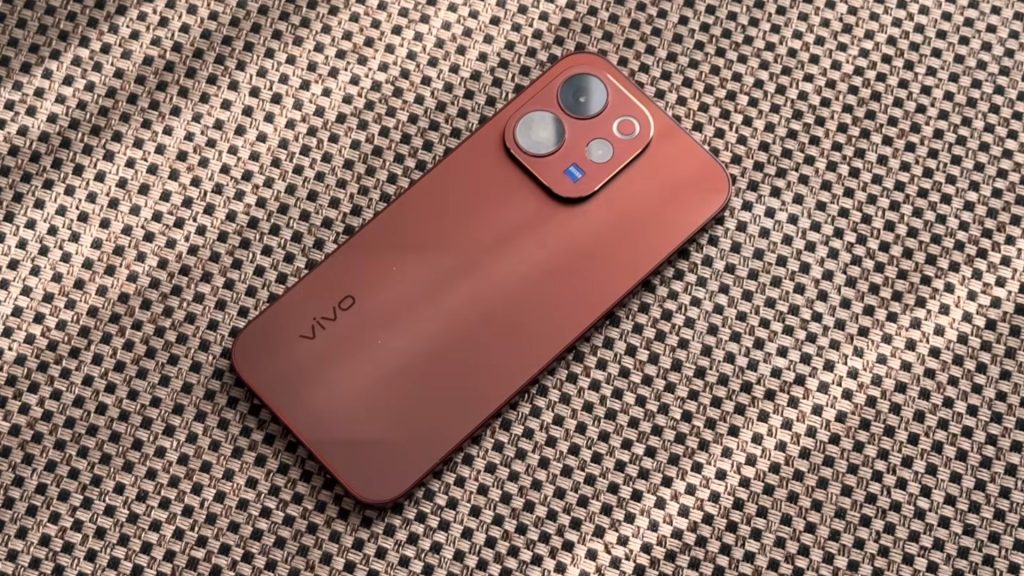
The V70 Elite launched in India on February 19, 2026, and is the strongest mid-range Vivo phone in 2026. The key reason: it runs a Snapdragon 8s Gen 3 chip, which is genuinely flagship-tier performance at a mid-range price. No other V-series phone this year comes close to that.
The camera setup is Zeiss-tuned and includes something rare at this price point: a true 3x optical periscope telephoto. Specifically:
- A 50MP main camera using a Sony IMX766 sensor (1/1.56-inch, f/1.88, OIS).
- A 50MP “Night Telephoto” periscope camera using Sony IMX882 (1/1.95-inch, f/2.65, OIS, 3x optical zoom, up to 100x digital).
- An 8MP ultrawide with a 115-degree field of view.
Other highlights:
- Display: 6.59-inch AMOLED, 1.5K resolution, 120Hz, 5,000 nits peak brightness, 1.25mm bezels.
- Battery: 6,500mAh BlueVolt silicon-carbon cell with 90W fast charging.
- Build: Aerospace-grade aluminum frame. Weighs 187 grams. IP68 and IP69 rated.
- Front camera: 50MP with autofocus, 4K video recording.
- Android 16 with OriginOS 6.
Pricing: $609 (₦831,285) for 8GB/256GB in India, up to $726 (₦990,990) for 12GB/512GB. Around €700 (~$820 / ₦1,119,300) in Europe, which is notably steeper.
Available in: India, Thailand, UAE, EU (Spain), Bangladesh. The V70 Elite is primarily an India-market phone.
Worth knowing: The standard V70 uses a Snapdragon 7 Gen 4 instead of the 8s Gen 3. The performance gap between the two is real, and the price difference is small, so pick the Elite if your budget allows it. The speakers are thin, and Vivo’s 90W charging is proprietary, so you cannot use a third-party charger to hit those speeds.
6. Vivo V50
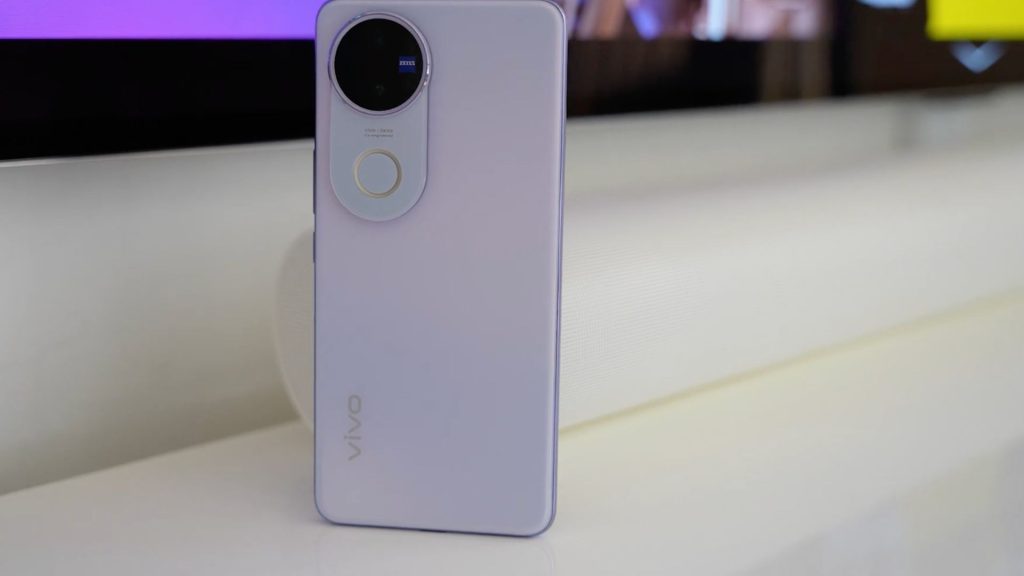
The V50 launched in February 2025 and is now over a year old, but it is still worth buying in 2026 because it has come down in price significantly while remaining available in more markets than any other phone on this list. If you want a Vivo that you can find with minimal hassle, the V50 is your best option.
The headline feature on the V50 is the Aura Light Portrait system, which uses a large ring-style fill light around the rear camera module to improve portrait photography in low light. It is not a gimmick; it makes a visible difference in how people look in photos taken indoors or at night.
- Display: 6.77-inch AMOLED, FHD+ resolution, 120Hz, 4,500 nits peak brightness, HDR10+.
- Chipset: Snapdragon 7 Gen 3. Solid mid-range performance, though it is two generations old in 2026.
- Cameras: 50MP main with OIS, 50MP ultrawide with 119.4-degree field of view and autofocus, 50MP front camera with autofocus. No telephoto lens.
- Battery: 6,000mAh with 90W fast charging.
- Thin and light: 7.39mm thick, 189-199 grams, IP68 and IP69 rated.
- Software: Android 15 with FuntouchOS 15. Important caveat: only three Android upgrades are guaranteed, and four years of security patches. This is meaningfully less than the X300 or V70 series.
Pricing: Around $385-470 (₦525,525-₦641,550) in India. Around $485-535 (₦661,725-₦730,275) in the Philippines. From around $385 (₦525,525) globally.
Available in: India, Southeast Asia, Brazil (sold as Jovi V50), the Middle East, and parts of Europe. Genuinely one of the most widely distributed Vivo phones globally.
Worth knowing: There is no telephoto camera, and FuntouchOS is the older software skin rather than OriginOS 6. The V50 also runs older UFS 2.2 storage, which is slower than what the V70 offers. Buy it if the V70 is not available where you are, or if the V50 is available at a significant discount.
7. Vivo Y600 Pro
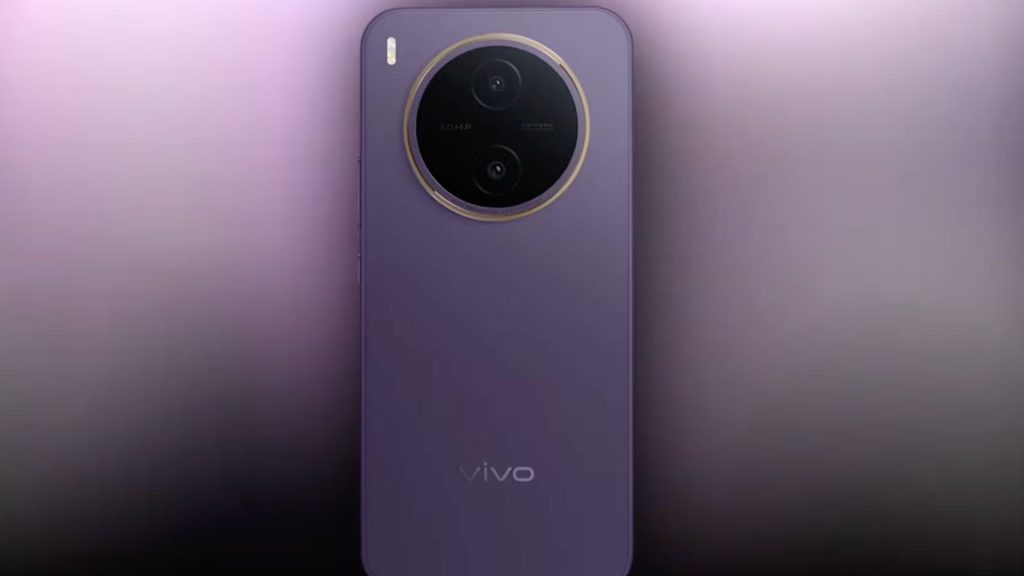
The Y600 Pro launched in China on April 27, 2026, and went on sale on May 5, 2026. It has one distinguishing feature: a 10,200mAh battery, the largest ever put into a mainstream Vivo phone, using second-generation semi-solid-state silicon-carbon chemistry. Nothing else on this list, or in this price range from any brand, comes close.
Vivo’s own claims: 47 hours of phone calls, 28 hours of continuous video playback, or 16 hours of GPS navigation on a single charge. The battery is also rated for 1,600 charge cycles before it drops to 80% capacity, which the company translates to six years of normal use.
- Display: 6.83-inch AMOLED, 1.5K resolution, 120Hz, HDR10+, 10-bit color, 4320Hz high-frequency PWM dimming.
- Chipset: MediaTek Dimensity 7300e (6nm). This is a mid-range chip, appropriate for the price.
- Memory: 8GB or 12GB RAM, up to 512GB of UFS 3.1 storage.
- Cameras: 50MP main camera with f/1.8 aperture and autofocus. No telephoto lens.
- Charging: 90W wired with reverse wired charging. No wireless charging.
- Weight: 221-223 grams. IP68 and IP69 rated. NFC, IR blaster, stereo speakers, in-display fingerprint sensor.
- Android 16 with OriginOS 6.
Pricing: 2,099 yuan (~$306 / ₦417,690) for 8GB/128GB in China. Up to 2,899 yuan (~$423 / ₦577,395) for 12GB/512GB.
Available in: China only as of May 2026. A global rollout including India and Southeast Asia is rumored for Q3 2026, but has not been confirmed.
Worth knowing: If you are outside China, you can import this through Giztop or Trading Shenzhen; expect to pay around $350-450 (₦477,750-₦614,250) landed, depending on your location. The lack of a telephoto lens is the main hardware trade-off. If absolute battery endurance is your priority above everything else, this is the phone to get.
Which Vivo phone is right for you?
Here is a quick guide to help you decide:
- Get the X300 Ultra if camera quality is the single most important thing to you, and your budget allows it. Skip it if your budget is under $1,500: the X300 Pro covers about 90% of the same ground at half the price.
- Get the X300 Pro if you want a top-tier camera phone with a balanced package. It is the right choice for most flagship shoppers. Move up to the Ultra only if you shoot professional video or specifically need the 200mm or 400mm Zeiss extenders.
- Get the X300 if you want a small phone that does not make you compromise on imaging. It is the best compact flagship of 2026 outside of a Galaxy S26. Only consider the X300 FE if the X300 is not available in your market and you find the FE at a noticeably lower price.
- Get the V70 Elite if your budget is around $500-650 and you live in India or Southeast Asia. If the V70 Elite is out of reach, look for the V50 below $350.
- Get the Y600 Pro if battery life is your top priority and you are willing to import. If you are in India or Southeast Asia, wait for Q3 2026 when a local launch is rumored.
- Get the V50 if you want a Vivo that is easy to find, reliably slim, and available for under $400 with a large battery and Zeiss-tuned cameras. Just know there is no telephoto, and the software support period is shorter than that of the newer models.